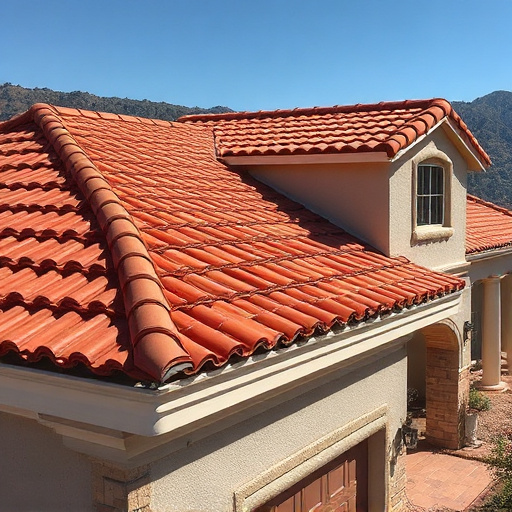
Roof leaks are a common-and costly-homeowner headache, especially in Oro Valley's unpredictable weather. What's more, a damaged roof can compromise the structural integrity of your home, posing safety risks and leading to even bigger problems down the line.
When a leak occurs, understanding your warranty coverage is crucial. While many homeowners opt for repairs, a thorough inspection might reveal that a replacement is in order, especially with prorated roof warranties playing a role in determining cost and responsibility.
This guide cuts through the confusion, offering expert advice on navigating warranty claims for leaks, ensuring you're protected and informed every step of the way.
- Understanding Your Prorated Roof Warranty Coverage
- Steps to File a Warranty Claim for a Leak
- Documenting the Damage: Gathering Evidence
- Navigating the Claims Process and Resolutions
Understanding Your Prorated Roof Warranty Coverage
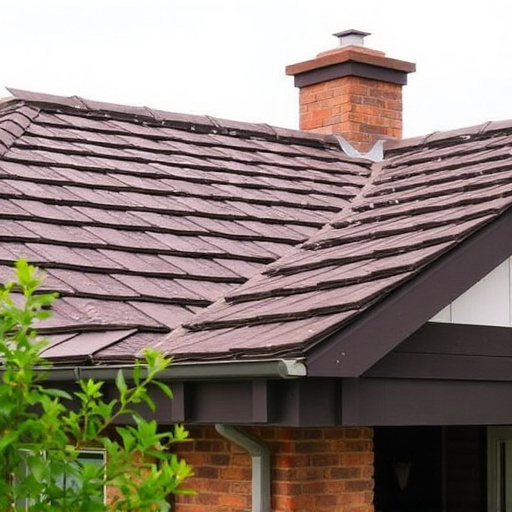
When a leak occurs after a storm, understanding your prorated roof warranty coverage is crucial for a smooth claims process. In Oro Valley and the Rancho Vistoso neighborhood, homeowners often face questions about what their warranty entitles them to, especially if the leak is not immediately visible or if it's a result of aging. Let's clarify this essential aspect of roof maintenance.
A prorated roof warranty, as the name suggests, offers protection for a portion of the initial cost of a new roof over a specified period. Unlike a manufacturer's warranty, which covers defects in materials and workmanship for a set number of years, a prorated warranty is typically based on the age of your roof. A 15-year-old roof might have a 5-year prorated warranty remaining. This means that any repairs or replacements during this period are covered to a certain extent, but not entirely. Homeowners should be aware that not all leaks are covered equally. Damage from wind, hail, or severe storms might be fully covered, while leaks due to aging or poor drainage are often subject to proration.
Before filing a claim, review your policy documents carefully. Your Oro Valley roofing contractor serving Marana and the surrounding areas can provide guidance on what constitutes a valid claim and what might be voided. Common reasons for voiding a roof warranty include lack of proper maintenance, misinstallation, or damage caused by a pre-existing condition. If your roof developed a leak due to an older underlayment, the claim might be partially or fully denied. To protect your investment, keep detailed records of all maintenance and repairs, and ensure any work is performed by licensed professionals. If a leak occurs, follow these steps: document the damage, contact your insurance company, and reach out to your roofing contractor for an assessment. They can help navigate the claim process and ensure you receive the coverage you're entitled to, according to your prorated roof warranty.
Steps to File a Warranty Claim for a Leak

When a leak occurs after a storm, homeowners in Sun City Oro Valley might wonder how to file a warranty claim. Understanding the process and your rights is crucial, especially if your roof is still under warranty. While many manufacturers offer prorated roof warranties, which reduce the coverage over time, a licensed Oro Valley area roofing contractor can provide guidance on navigating these complexities.
The first step is to verify warranty registration. Many manufacturers require registration within a specific timeframe after installation. Keep your receipt and any documentation related to your roof's installation and warranty. If you're unsure, contact the manufacturer directly. They can tell you if your roof is covered and for how long, clarifying any exclusions or limitations. A manufacturer might exclude damage from extreme weather events if not properly maintained.
Next, inspect the leak and gather evidence. Take photos of the damaged area, the leak source, and any visible signs of water intrusion. Document the date and time of the leak and any subsequent repairs. This documentation is crucial if you need to dispute a claim. If the leak is extensive or causes structural damage, it might be wise to involve a certified roofing inspector who can provide a professional assessment.
Once you have your evidence, contact your manufacturer or the roofing contractor who installed your roof. Explain the situation and provide the necessary details. They will guide you through the specific claim process, which may involve filling out a form and submitting your documentation. Remember, a licensed Oro Valley area roofing contractor can offer expert advice on navigating these steps. If the claim is approved, the manufacturer will either repair the damage or, in some cases, replace the affected components under the terms of the prorated roof warranty.
Documenting the Damage: Gathering Evidence
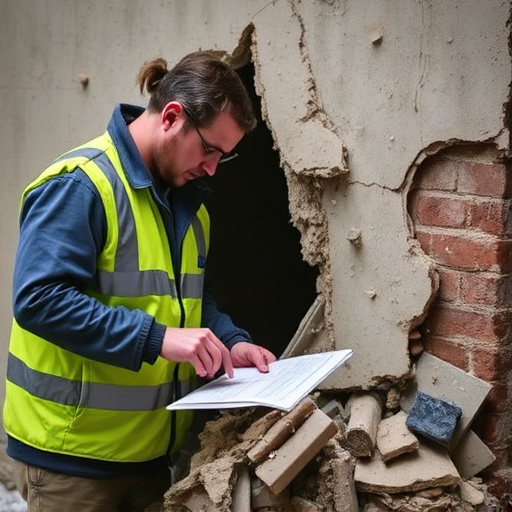
When making a warranty claim after a leak, one of the most critical steps is documenting the damage. In Oro Valley, as with any community, homeowners are advised to gather thorough evidence to support their claim, especially when dealing with a prorated roof warranty. This process can seem daunting, but a licensed Arizona roofer can guide you through the essential steps.
First, take clear and detailed photos of the damaged area. Include multiple angles and close-ups of any affected flashing, parapets, or underlayment. These images will serve as irrefutable evidence for your claim. Keep a record of all communication with your roofer, including emails, texts, and notes from phone conversations. Documentation is key, and these records can help demonstrate the timeline of events and the efforts made to resolve the issue.
Next, inspect the roof thoroughly and identify the specific areas that require repair or replacement. Check for missing or damaged shingles, leaks in the underlayment, or any signs of water intrusion. If your HOA (Homeowners Association) requires repairs, ensure you follow their guidelines and obtain any necessary permits. The Arizona Registrar of Contractors (ROC) offers valuable resources for homeowners, so consult their website for advice on warranty claims and contractor licensing.
Finally, organize all your documentation into a neat folder. Include your initial claim, any correspondence with the roofer, and photographic evidence. Keep track of the dates and details of every interaction to support your case. A well-documented claim increases the chances of a successful resolution, whether it involves a manufacturer vs. Workmanship warranty or a prorated roof warranty. Remember, the more comprehensive your records, the smoother the process for both you and your contractor.
Navigating the Claims Process and Resolutions

Navigating the Claims Process and Resolutions
A leak can cause significant damage to your home, and promptly addressing it is crucial. When a leak occurs, understanding your roof warranty is essential, especially if you have a prorated roof warranty. This type of warranty means that your initial coverage may have decreased over time, but it still offers protection. The first step is to inspect the damage. Conducting an annual inspection with a roofer with an Arizona ROC license can help identify potential issues early, making claims easier.
After confirming the leak's extent, the next step is to file an insurance claim. Your home insurance policy may cover roof damage caused by storms or other events. However, be aware that some policies have deductibles, and the claims process can be complex. Keep thorough records of all communications and documentation related to the claim. This includes photos of the damage, reports from contractors, and any correspondence with your insurance company.
Once you've filed your claim, communicate actively with your insurance provider. They will likely request additional information or send an adjuster to assess the damage. During this process, be prepared to discuss the repairs needed, including replacement or repair of flashing, parapets, and underlayment. If the leak originated from a damaged flashing, ensure that the replacement is part of your claim. A comprehensive claim ensures that all necessary repairs are addressed, extending the lifespan of your roof.
If your claim is denied or you're unsatisfied with the resolution, consider seeking advice from a roofing expert or a legal professional. They can guide you through the next steps, which may include appealing the decision or negotiating a better outcome. Remember, understanding your rights and the terms of your warranty is crucial in ensuring a fair resolution.
Frequently Asked Questions About advice on making a warranty claim after a leak
What is a warranty claim for a leak?
A warranty claim for a leak is a formal process where a homeowner or property manager requests compensation or repair from the roofing contractor or manufacturer due to water intrusion or damage caused by a defect in the roofing system, including flashing, parapets, or underlayment. This process is designed to ensure that any issues covered under the warranty are resolved, protecting both the homeowner and the integrity of the roof.
When should I file a warranty claim for a leak?
As soon as you discover a leak, inspect your roof to determine the source. If the leak is due to a defect in the flashing, parapet, or underlayment-issues commonly covered in warranties-contact your roofing contractor or manufacturer immediately. Don't delay, as prompt action can prevent further damage and ensure a smoother claims process.
How do I know if my leak is covered by the warranty?
Check the warranty documents provided by your roofing contractor or manufacturer. Common warranties cover defects in materials and workmanship for a specified period. Look for clauses that address flashing, parapets, and underlayment, as these components are particularly susceptible to leaks. If the leak falls under the covered period and meets the defined terms, it's likely warranty-eligible.
What documentation do I need to file a warranty claim?
Assemble a package that includes detailed descriptions of the leak and damage, high-quality photographs of the affected areas, and any repair estimates from qualified contractors. Keep records of all communications regarding the claim, including dates and names of contacts. Some warranties may also require proof of purchase or installation.
How do I file a warranty claim?
Contact your roofing contractor directly, as they typically handle warranty claims. Explain the situation and provide the necessary documentation. They will guide you through the specific claims process, which may involve filling out a claim form and submitting it to the manufacturer. Keep open lines of communication with both parties throughout the process.
What happens after I submit my warranty claim?
The roofing contractor or manufacturer will review your claim and determine its validity based on the provided information and inspection. If approved, they will either provide the necessary repairs or issue a refund for eligible expenses. Be prepared for a timeline; claims processing can take several weeks, depending on the complexity and backlog of claims.
Can I hire a lawyer to help with my warranty claim?
While legal representation is not always necessary, a lawyer specializing in construction disputes can be helpful if the claim is complex or if you encounter resistance from the contractor or manufacturer. They can ensure your rights are protected and guide you through the legal aspects of the process.
When faced with a leak, understanding your prorated roof warranty coverage is crucial. Documenting the damage thoroughly, gathering evidence, and navigating the claims process with clear communication are essential steps. By following these guidelines, homeowners can ensure they receive the necessary repairs under their warranty, leveraging the protection offered by their roofing contract. Remember, each warranty has specific terms, including prorations, so reviewing the fine print is vital. This proactive approach, combined with the right documentation, can significantly streamline the claims process and result in swift resolutions, providing peace of mind during challenging times.
When a storm causes a leak, homeowners in Oro Valley should understand their prorated roof warranty coverage. This warranty, based on your roof's age, protects repairs or replacements to a certain extent. Before filing a claim, review policy documents, document damage with photos, and consult a licensed Oro Valley roofer. Verify warranty registration, inspect the leak, and gather evidence. Contact the manufacturer or roofer for guidance on navigating the claim process, which may involve filling out forms and submitting documentation. Keep detailed records for a smoother claims process. Annual inspections with an Arizona ROC-licensed roofer can help prevent issues and simplify claims.