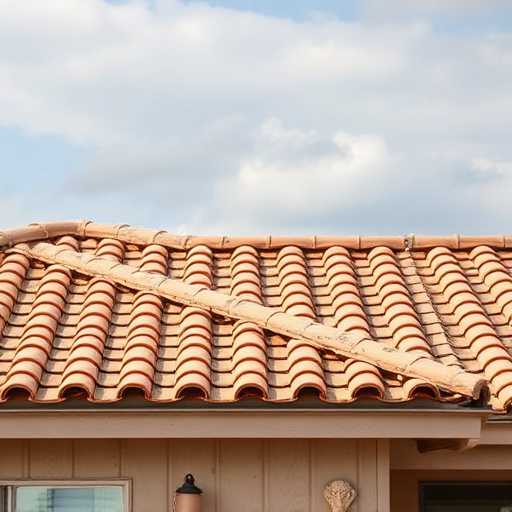
In Oro Valley, a new roof is a significant investment, but understanding the nuances of roofing warranties can be overwhelming. Homeowners often struggle to differentiate between manufacturer and workmanship warranties, leading to confusion for coverage and claims. This guide is designed to demystify these two types of warranties, helping you make informed decisions. While roof warranties and home insurance seem similar, they serve distinct purposes. We'll explore how each type protects your investment and what factors influence their effectiveness, empowering you to choose the best option for your home.
- Understanding Roof Warranty Basics: What Homeowners Need to Know
- Manufacturer vs. Workmanship: Decoding Warranty Coverage
- Home Insurance and Roof Replacement: Navigating Claims and Benefits
- Protecting Your Investment: Choosing the Right Roof Warranty
Understanding Roof Warranty Basics: What Homeowners Need to Know
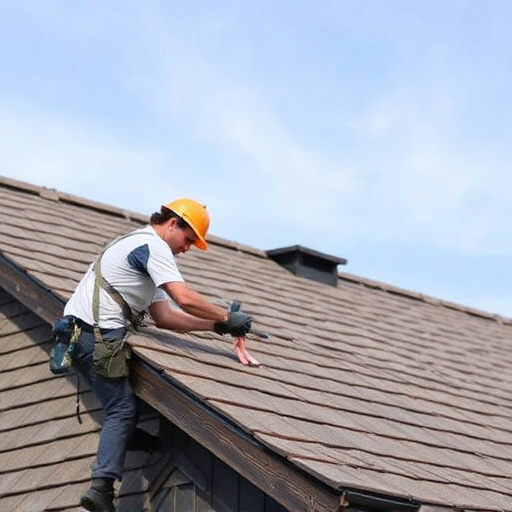
Homeowners in Oro Valley, like many across Arizona, often wonder about the differences between a manufacturer's roof warranty and a workmanship warranty for protecting their investments. Understanding these warranties is crucial, as they offer distinct levels of coverage and serve different purposes. Let's break down the key distinctions and what Oro Valley homeowners need to know to make informed decisions.
When you purchase a new roof, the manufacturer typically offers a warranty that covers material defects and, in some cases, issues with the installation process. This warranty is designed to ensure the materials used meet the manufacturer's standards and perform as expected. A tile roof manufacturer might guarantee against cracks, delaminations, or curling for a specific number of years. However, this warranty usually does not cover repairs due to normal wear and tear, incorrect installation by a third-party contractor, or damage from events like heavy winds or hailstorms.
In contrast, a workmanship warranty, often required by the Arizona Registrar of Contractors (ROC) when hiring a licensed roofer, protects against defects directly resulting from the contractor's work. This warranty ensures that the roofing professional stands behind their labor and any materials they install. If a roofer from DC Roofing of Arizona, a licensed Oro Valley area roofing contractor, installs shingles and later a leak occurs due to improper sealing, their workmanship warranty would cover the repair. Homeowners should remember that workmanship warranties typically have shorter durations than manufacturer warranties and may require proof of proper maintenance to remain valid.
A critical distinction between these warranties and home insurance is their purpose and scope. Home insurance, such as your homeowner's policy, covers unexpected events like severe storms, floods, or fires that might damage your roof. It does not replace a defective roof or the cost of repairing issues that would be covered under a manufacturer or workmanship warranty. If a monsoon storm causes leaks in your roof, home insurance would likely cover the repairs, but it does not guarantee the quality of the materials or installation. Understanding these differences is essential for Oro Valley homeowners to ensure they have adequate protection for their properties.
Manufacturer vs. Workmanship: Decoding Warranty Coverage

For protecting your Oro Valley home's most valuable asset, your roof, understanding the distinction between manufacturer and workmanship warranties is crucial. This is especially true when comparing to home insurance, as these two types of coverage serve different purposes and offer distinct levels of protection. Let's examine the key differences and what they mean for Rancho Vistoso residents.
Manufacturer vs. Workmanship: A Fundamental Difference
A manufacturer's warranty typically covers defects in materials and workmanship associated with the specific roofing system they produce. An Owens Corning warranty might guarantee the integrity of their shingles for a set period, protecting against issues like peeling or cracking. In contrast, a workmanship warranty, often provided by a local, licensed Arizona roofer, focuses on the quality of the installation and any labor-related defects. While both are vital, they serve different ends. Home insurance generally does not cover the underlying roofing system itself but rather provides protection against unforeseen events like storms, fires, or accidents that could damage or destroy the roof.
Understanding Coverage Gaps and Doubling Protection
Manufacturer warranties usually do not cover issues arising from improper installation or maintenance. If a roofer fails to install shingles correctly, leading to leaks, the manufacturer's warranty may not apply. However, a workmanship warranty would cover such cases, ensuring repairs or replacements are made at no extra cost to the homeowner. Many homeowners in Oro Valley and Marana find it beneficial to have both types of coverage. A comprehensive roof protection strategy involves combining a manufacturer's warranty with a robust workmanship warranty, filling the gaps left by standard home insurance policies.
Practical Steps for Homeowners
When considering a new roof or repairing an existing one, Oro Valley residents should:
- Research Manufacturer Warranties: Examine the warranties offered by different roofing material manufacturers. Look for the duration and coverage details.
- Hire Licensed Professionals: Ensure any workmanship warranties come from licensed, experienced local roofers.
- Review Home Insurance Policies: Understand what your insurance covers and what it doesn't regarding roof repairs or replacements.
- Keep Detailed Records: Maintain paperwork for both warranties and insurance claims for future reference and to facilitate smooth dispute resolution.
Home Insurance and Roof Replacement: Navigating Claims and Benefits

Oro Valley homeowners often wonder about the distinction between manufacturer and workmanship warranties for roof replacements. Understanding these differences is crucial for navigating roof repairs and ensuring proper coverage. Let's examine how these warranties interact with your home insurance and what to expect when dealing with roofing issues, especially during Arizona's unpredictable monsoon season.
When you purchase a new roof, the manufacturer typically offers a product warranty that guarantees the material's performance. These warranties protect against defects, ensuring your roof remains secure and weatherproof. However, a manufacturer's warranty does not cover installation errors or poor workmanship. It solely focuses on the integrity of the materials. In Oro Valley, as in many parts of Arizona, weather-related damage is common, and a robust manufacturer's warranty can provide peace of mind during these events.
Home insurance matters in roof replacement after storms or other disasters. Most policies include coverage for roof repairs or replacements due to covered perils, such as wind and hail damage. However, the insurance company will typically require a valid warranty on the materials to ensure they are not at fault for the damage. This is where workmanship warranties come into play. A workmanship warranty, often provided by the roofing contractor, guarantees the skilled installation and repair of your roof. A licensed Oro Valley contractor like DC Roofing of Arizona might offer a 5-year workmanship warranty, ensuring that any installation flaws or errors will be rectified at their expense.
When filing a claim with your home insurance, it's essential to understand the distinction between the two warranties. If the damage is due to a manufacturer's defect, they will typically cover the cost of replacement materials. In contrast, workmanship warranties cover issues arising from installation mistakes or poor workmanship. If a roofer fails to properly secure underlayment during installation, leading to damage during a storm, the workmanship warranty would cover the repair or replacement of the affected areas. By knowing the strengths and limitations of each warranty type, homeowners can ensure they receive the appropriate coverage for their roof replacement needs in Sun City Oro Valley.
Protecting Your Investment: Choosing the Right Roof Warranty
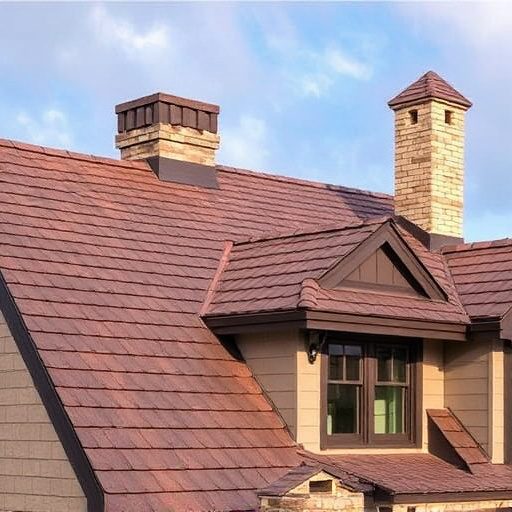
When considering a new roof or repairs, Oro Valley homeowners often face a crucial decision: choosing between a manufacturer's warranty and a workmanship warranty. This distinction is critical as it directly impacts the protection of your investment. While both types of warranties serve to safeguard your roof, they offer different levels of coverage and are underpinned by varying responsibilities.
Let's break down the key differences. A manufacturer's warranty, like those offered by Eagle Roofing tile or CertainTeed, typically covers defects in materials and workmanship for a specified period. A manufacturer might guarantee their shingles for 25 years, with a 10-year labor warranty. This means if a shingle fails within 25 years, the manufacturer will replace it, and a licensed Arizona roofer will install the new one. Conversely, a workmanship warranty, often provided by your roofing contractor, focuses on the quality of the installation and repairs. It ensures that the roofer will correct any issues resulting from poor workmanship for a set period, usually 5 to 10 years.
Consider a scenario in Rancho Vistoso where a homeowner opts for a manufacturer's warranty on their new roof. If a wind storm damages several shingles, the manufacturer will send a technician to assess and replace them. However, if the issue arises from improper nailing, which falls under workmanship, the homeowner would need to contact their contractor for repairs, potentially incurring additional labor costs. Thus, understanding the difference is vital when deciding between a manufacturer's and a workmanship warranty. The former is ideal for protecting against material defects, while the latter ensures the craftsmanship behind the work stands the test of time.
When weighing your options, remember that a roof warranty is distinct from home insurance. Insurance covers unforeseen events like storms or leaks, but it does not replace or repair a faulty roof. A comprehensive roof warranty, whether from a manufacturer or a roofer, acts as a safety net, providing peace of mind and financial protection for your home's most critical component-the roof.
Frequently Asked Questions About a Guide for Oro Valley Homeowners on the Difference Between Manufacturer and Workmanship Roof Warranties
What is the primary difference between a manufacturer's warranty and a workmanship warranty on a new roof?
A manufacturer's warranty typically covers defects in the roofing materials themselves, like issues with the shingles, underlayment, or flashing. It's a promise from the manufacturer that their products will perform as expected for a certain period. In contrast, a workmanship warranty covers errors or omissions in the installation process. This means it protects you from damage caused by a roofer who doesn't follow best practices, like improper nailing or poor sealing.
How long do manufacturer's warranties and workmanship warranties usually last?
Manufacturer's warranties often range from 25 to 50 years, depending on the product. Workmanship warranties, on the other hand, typically last 1 to 5 years. Keep in mind, the longer the warranty period, the more comprehensive it's likely to be, but also the more expensive the roof might be.
What does a workmanship warranty cover?
A workmanship warranty covers issues arising from faulty installation, such as leaks, wind damage, or water penetration caused by poor sealing or flashing. It doesn't cover damage from storms, normal wear and tear, or problems with the underlying structure.
Can I have both types of warranties on my new roof?
Absolutely. Many homeowners choose to have both a manufacturer's warranty and a workmanship warranty for added protection. The manufacturer's warranty protects the quality of the materials, while the workmanship warranty protects against installation errors.
Who is responsible for claiming under a workmanship warranty?
You, as the homeowner, are typically responsible for claiming under a workmanship warranty. Contact your roofing contractor directly to file a claim. They should be able to assess the issue and arrange for repairs or replacements covered under the warranty.
How do I know if my contractor is offering a valid workmanship warranty?
Ask for details about their workmanship warranty, including the duration and what specific items are covered. A reputable contractor will be happy to provide this information. Ensure the warranty is in writing and clearly outlines the terms and conditions.
Is it possible to transfer a workmanship warranty if I sell my home?
It depends on the contractor and the specific terms of the warranty. Some workmanship warranties may be transferrable, especially if the original homeowner can provide proof of proper installation. However, it's best to check with your contractor or refer to the warranty documents for specific transferability information.
As Oro Valley homeowners, understanding the distinction between manufacturer and workmanship warranties is crucial for protecting your investment. This article has demystified the differences in coverage, highlighting how manufacturer warranties guarantee the quality of the roofing materials while workmanship warranties cover the skill and labor involved in the installation. Knowing the distinction is key when navigating roof replacement, as it influences how you file claims, especially when comparing against your home insurance.
When considering a roof warranty, remember that not all repairs qualify. The article emphasizes the importance of reviewing the fine print and understanding what voids your coverage. Negligence or improper maintenance can render your warranty invalid. By choosing a reputable roofer with an Arizona ROC license, you can ensure quality workmanship and increased protection.
Next steps include: thoroughly reading your warranty documents, keeping meticulous records of repairs, and consulting with your insurance provider to understand your coverage for roof leaks during storms like monsoons. Staying informed about your roof warranty and home insurance allows you to make confident decisions, ensuring your Oro Valley home is shielded from unexpected weather events.
Oro Valley Roof Warranty Guide: Protecting Your Investment
Oro Valley homeowners need to understand the difference between a manufacturer's roof warranty and a workmanship warranty to make informed decisions.
- Manufacturer Warranties: Cover material defects and some installation issues, usually from the manufacturer, like Owens Corning or Eagle Roofing.
- Workmanship Warranties: Ensure skilled installation and repairs, provided by licensed local roofers like DC Roofing of Arizona, valid for shorter periods.
- Home Insurance: Covers unforeseen events like storms, but doesn't replace warranties; repairs are typically handled by insurance and the applicable warranty.
- Practical Steps: Research manufacturer warranties, hire licensed professionals, understand home insurance policies, and keep detailed records for both.
By knowing these differences, Oro Valley residents can double-protect their roofs, ensuring peace of mind during Arizona's unpredictable weather.