
In Oro Valley, a new roof is a significant investment, so understanding what voids a roof warranty is crucial for local homeowners. The problem arises when unforeseen issues crop up, leaving you with a potentially costly repair bill and a warranty that seems useless. You might be wondering: what happens when a roofer makes a mistake, or the underlayment fails prematurely? This article is designed to explain these scenarios and guide you through the process of protecting your investment. By the end, you'll know how to avoid voiding your roof warranty, ensuring peace of mind and a sturdy shield over your home, regardless of the weather.
- Understanding Common Causes of Warranty Voidance
- The Role of Proper Installation and Inspection
- How Maintenance and Repairs Impact Warranties
- Unraveling Conditions for Underlayment Warranty Validity
Understanding Common Causes of Warranty Voidance

Understanding Common Causes of Warranty Voidance
At DC Roofing of Arizona, we pride ourselves on providing comprehensive roof protection through our warranties, ensuring our Oro Valley clients have peace of mind knowing their investment is secure. However, it's essential to recognize that certain actions or omissions can void these guarantees. This section explores the most prevalent factors that lead to the loss of roofing warranty coverage, focusing on the crucial underlayment warranty.
Annual inspections play a vital role in maintaining warranty validity. Homeowners should schedule regular checks to identify and address potential issues early. An inspection might reveal loose or damaged underlayment, which, if not repaired promptly, could trigger a void. The Arizona Registrar of Contractors (ROC) emphasizes the importance of adhering to manufacturer guidelines and proper installation practices to preserve warranties. In many cases, a simple repair or replacement of the underlayment can prevent a void and ensure continued protection.
DIY repairs or alterations to the roof structure can be risky. While well-intentioned, these actions might compromise the integrity of the system, leading to future problems. Manufacturers typically provide detailed specifications and guidelines for warranty-eligible repairs, and deviating from these can result in the loss of coverage. As a rule of thumb, complex or significant roof work should be handled by licensed and experienced professionals, such as our team at DC Roofing, to maintain the warranty's validity.
Another common pitfall is neglecting to document and register the warranty. Homeowners should receive clear paperwork outlining the terms and conditions, including any exclusions or limitations. Prompt registration with the appropriate manufacturer or warranty association ensures that claims can be efficiently processed in case of issues. A prorated roof warranty, common in older installations, requires specific maintenance and documentation to remain active. By staying informed and adhering to these processes, Oro Valley residents can maximize the protection offered by their roof warranties.
The Role of Proper Installation and Inspection
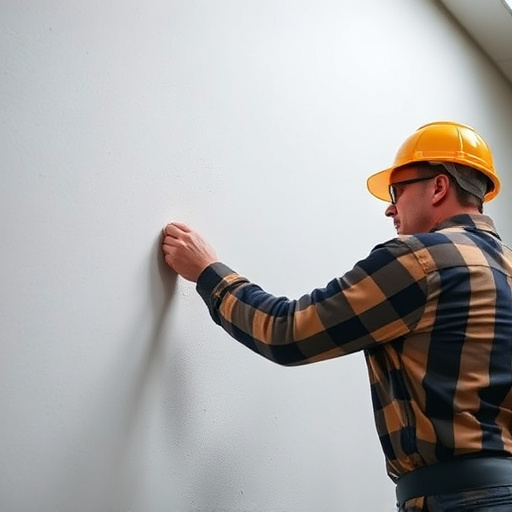
The quality of a roof installation is paramount for voiding or maintaining a warranty. A roofing contractor serving Oro Valley and Marana emphasizes the importance of meticulous craftsmanship and proper inspection throughout the process. While manufacturers' warranties typically cover material defects, workmanship warranties protect against issues arising from installation errors. An improperly installed underlayment, a crucial barrier between the roof and the structure, can lead to serious problems like water intrusion, mold growth, and structural damage. This is not just a theoretical concern; a faulty underlayment installation has been a leading cause of roof warranty disputes in recent years.
To avoid voiding your warranty, it's crucial to have a written contract with your roofing contractor clearly outlining the scope of work, materials used, and the terms of the warranty. This document should specify the type of workmanship coverage provided, often including inspections at key stages of the project. Regular, professional inspections are vital; they can catch potential issues early, ensuring repairs are made under the active warranty rather than requiring a costly, time-consuming insurance claim. Remember, an insurance claim for a repair may not always be covered if the initial installation was at fault, and the onus of proving this can often fall on the homeowner.
Proper installation and adherence to manufacturer guidelines, along with a comprehensive workmanship warranty, are key to safeguarding your investment. Homeowners should never skimp on quality or rush the installation process. After all, a new roof is not just about aesthetics; it's about protecting your home and belongings, and ensuring peace of mind for years to come.
How Maintenance and Repairs Impact Warranties

Maintaining your roof is crucial not only for its structural integrity but also for keeping your warranty in force. Let's explore how repairs and maintenance impact your roof's underlayment warranty, a key component of any roofing system in Oro Valley.
Regular maintenance, including cleaning gutters and inspecting the roof for damage, is essential to prevent small issues from becoming major, costly repairs. A local roofing company serving Oro Valley may highlight that missing or damaged shingles, which could be caught early through routine checks, often lead to underlayment damage when left unattended. While a contractor with an Arizona ROC license can usually repair or replace individual shingles, extensive damage may require a full roof replacement, negating any remaining warranty benefits. Neglecting minor repairs can lead to water intrusion, mold growth, and other structural issues, further complicating warranty claims.
For repairs, understanding the difference between a new roof and repairs is vital. A prorated underlayment warranty typically covers a percentage of the original cost, decreasing over time. A 20-year warranty might be reduced to 50% after 10 years. DIY repairs, while tempting, can void warranties if not performed correctly. Professional installers, however, follow manufacturer guidelines and use approved materials, ensuring repairs align with warranty terms. This includes using the right underlayment for your specific roof system and adhering to manufacturer recommendations for installation.
The type of repair and materials used play a significant role. Elastomeric coatings, for instance, can extend the life of your underlayment, but they must be applied by certified professionals. Improper application or using subpar materials can lead to weak spots in your roof's protective layer, potentially voiding your warranty. Regular maintenance and timely repairs, especially when addressing underlayment issues, are key to preserving your warranty coverage. This ensures that any unforeseen problems are caught early, preventing voided warranties and costly out-of-pocket expenses.
Unraveling Conditions for Underlayment Warranty Validity
Unraveling the Conditions for Underlayment Warranty Validity
For roof warranties, especially in Oro Valley and Marana, understanding what voids your coverage is crucial for long-term protection. Let's focus on a key component: the underlayment warranty. This type of warranty, often overlooked, matters in safeguarding your roof against potential issues. A roofing contractor serving Oro Valley and Marana can offer expert guidance on this matter.
The underlayment, a crucial layer between your roof deck and the shingles or tiles, is designed to prevent water intrusion and provide a secondary barrier against extreme weather conditions. An underlayment warranty typically covers materials and labor for a specified period, usually 20-30 years. However, this warranty isn't indomitable. Several factors can affect its validity. Inadequate installation, damage from extreme weather not covered in the policy, or failure to maintain the underlayment according to manufacturer guidelines can all lead to voiding.
A common issue that voids underlayment warranties is improper recoating. When the underlayment is not properly sealed or maintained, it can become susceptible to moisture, leading to mold growth or structural damage. This is why a licensed roofer emphasizes the importance of regular inspections and timely maintenance. Eagle Roofing tile specialists in the Oro Valley area recommend inspecting underlayments annually to ensure they remain in top condition.
Transferable warranties should be carefully reviewed. Not all warranties can be passed on to new homeowners, and some may come with limitations. Understanding the terms and conditions is essential to avoid potential disputes. A top-rated roofer in the local community can help clarify these matters and ensure your warranty remains valid.
Frequently Asked Questions About an Explainer on What Can Void a Roof Warranty
What happens if I don't follow the manufacturer's guidelines for installation? Incorrect installation, including not following the manufacturer's guidelines, is a common voiding factor. These guidelines are in place to ensure optimal performance and longevity of the roof. Deviating from them can lead to weaknesses in the structure, compromising its effectiveness and invalidating any warranty claims.
Can routine maintenance void my warranty? Regular maintenance is crucial for preserving your roof's integrity and the validity of your warranty. While specific maintenance requirements vary by manufacturer and type, neglecting routine checks and repairs can be seen as a lack of proper care. This could potentially void your warranty, as it demonstrates failure to uphold the agreed-upon standards.
What types of damage are considered normal wear and tear, and thus not voiding? Normal wear and tear refers to the expected deterioration of a roof over time due to environmental factors. This includes minor cracks, some surface discoloration, and a certain level of loss of structural integrity. Damage that falls under this category is generally not a valid reason for voiding a warranty.
Is a professional inspection necessary to understand my warranty coverage? While a professional inspection is not always required to understand your warranty, it's highly recommended. Experts can provide insights into potential issues that may void your warranty and help you maintain it effectively. They can also offer advice on repairs or replacements, ensuring you stay within the warranty's terms.
How does weather or environmental damage impact my roof warranty? Extreme weather conditions, such as heavy storms, hurricanes, or hailstorms, can cause significant damage. These events may void warranties if the damage is deemed a result of natural causes and not due to proper installation or maintenance. However, certain warranties may cover such events, so it's essential to review the terms carefully.
What should I do if I believe my roof warranty has been wrongly voided? If you believe your warranty has been voided incorrectly, consult the terms and conditions carefully. Then, contact the manufacturer or the licensed contractor who installed the roof. They should be able to clarify the situation and provide guidance on how to resolve any discrepancies.
Understanding what voids a roof warranty is crucial for both homeowners and roofing professionals. We've explored key factors, such as the importance of proper installation and inspection, the impact of maintenance and repairs, and the specific conditions for underlayment warranty validity. The most significant takeaway is that many issues, from poor workmanship to missing maintenance, can render your warranty null and void. To protect your investment, ensure that your roofing project is handled by licensed, experienced professionals who adhere to manufacturer guidelines and industry standards. Regular maintenance and prompt repairs, especially for issues like monsoon leaks, are essential to preserving warranty coverage. By understanding these conditions, you can make informed decisions, ensuring your roof is protected by a valid warranty and your home is shielded from costly repairs.
DC Roofing of Arizona emphasizes the importance of annual inspections and adherence to manufacturer guidelines to maintain underlayment warranties, crucial for protecting Oro Valley roofs. DIY repairs and alterations can void warranties, so complex work should be handled by licensed professionals. Proper documentation and registration, understanding warranty terms, and regular maintenance are key to preserving coverage. Neglecting maintenance, improper recoating, and extreme weather damage are common voiding factors. Transferable warranties have specific conditions, and seeking expert guidance ensures validity.