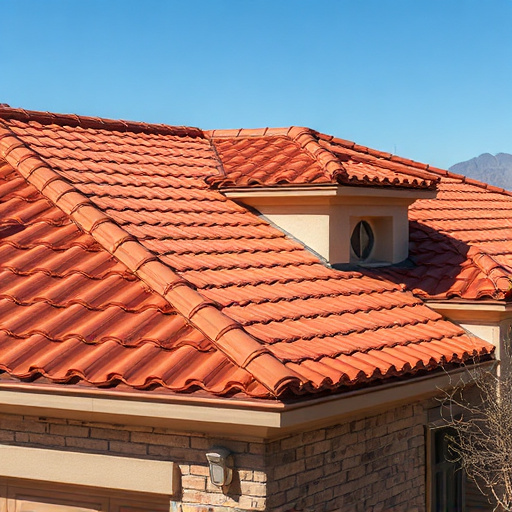
Roofing warranties are a crucial component of any home or property owner's protection, especially in areas prone to extreme weather like Oro Valley. Understanding the intricacies of these warranties is essential to ensure your investment is secure. The complex nature of warranty terms often leaves homeowners confused, with questions like: what exactly is covered? Who's responsible for repairs? And how do I keep my warranty valid? This article aims to demystify the process, focusing on tile, foam, and shingle roof warranties. We'll explore common issues, dispel myths, and provide practical guidance on the vital warranty paperwork to keep, ensuring you're fully informed and protected. By the end, you'll be equipped to make informed decisions regarding your roofing needs.
- Understanding Roof Warranty Types and Coverage
- Decoding Warranty Paperwork: Key Terms Explained
- Tile, Foam, and Shingles: Material-Specific Warranties
- Claiming Your Warranty: Steps and Common Pitfalls
Understanding Roof Warranty Types and Coverage
Understanding Roof Warranty Types and Coverage
For protecting your Oro Valley home's most vital asset-your roof-it's crucial to grasp the nuances of various warranty types. This knowledge ensures you're adequately covered and can navigate any potential issues with confidence. A licensed Oro Valley area roofing contractor often acts as a guide in this process, helping you understand the fine print and make informed decisions.
Roof warranties primarily fall into two categories: manufacturer warranties and workmanship warranties. The former guarantees the materials used in your roof, while the latter covers the skills and methods employed by the roofing professionals. A manufacturer warranty might promise to replace any defective tiles, while a workmanship warranty ensures that any leaks resulting from installation errors will be repaired. It's essential to keep the warranty paperwork to keep handy, as it outlines these specifics and acts as your protection during the coverage period.
Annual inspections play a vital role in maintaining these warranties. Many roofing companies offer or require annual checks to ensure your roof remains in top condition. During these visits, professionals can spot potential issues early on, saving you from costly repairs. They also serve as documentation that your roof is being maintained according to the manufacturer's guidelines, thereby strengthening your warranty claim if necessary. Remember, proper maintenance to keep a warranty valid is a shared responsibility between you and your roofing contractor.
Decoding Warranty Paperwork: Key Terms Explained

Decoding Warranty Paperwork: Key Terms Explained
Understanding your roof warranty is crucial for any homeowner in Oro Valley and Marana. Warranty paperwork can seem like legal jargon, but it's designed to protect both you and the roofer. Let's break down some key terms to ensure you're fully informed.
The two primary types of roof warranties are manufacturer warranties and workmanship warranties. A manufacturer warranty guarantees the materials used in your roof against defects for a set period. Tile roofs often come with a 25-year manufacturer's warranty on the tiles themselves. On the other hand, a workmanship warranty covers the installation and repairs done by the roofer. This means if a roofer installs your new foam roof incorrectly and it leaks within the warranty period, they're responsible for fixing it. Remember, keeping detailed records of installation and maintenance is vital to upholding your workmanship warranty.
Another important aspect to consider is the underlayment warranty. Underlayment is the protective layer beneath your roof shingles, and a separate warranty for it is common. This warranty covers the underlayment against defects and failure, offering additional peace of mind against unexpected costs. Always review your warranty paperwork to understand what's covered under the underlayment protection.
Before signing any warranty paperwork, it's wise to ask questions. Clarify what's included, what voids the warranty, and how claims are handled. Some warranties may be voided by improper maintenance or severe weather conditions like monsoon leaks. DIY repairs might also affect your warranty, so consult a local roofing contractor serving Oro Valley and Marana if you're unsure. Keep detailed records of all warranty-related interactions and documentation, as this could be crucial if you need to file a claim.
Tile, Foam, and Shingles: Material-Specific Warranties
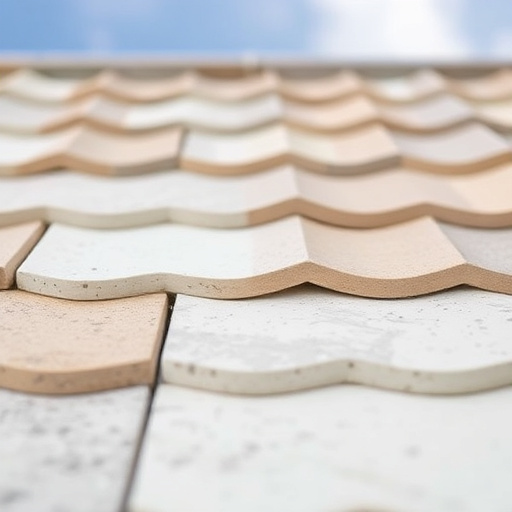
Roofing materials play a significant role in the longevity and protection of your home, and each type comes with its own set of warranty considerations. This section examines the material-specific aspects of tile, foam, and shingle roof warranties, providing a clear understanding of what these warranties cover, how they differ, and the crucial steps to ensure you're protected.
Tile roofs, popular for their aesthetic appeal and durability, often come with manufacturer warranties that specifically address tile performance and materials. These warranties typically cover the tile itself, ensuring replacement or repair in case of defects. However, they usually do not include labor costs, meaning you'll need to factor in additional expenses for installation or repair. A leading manufacturer like CertainTeed offers comprehensive tile warranties, but it's essential to review the terms to understand the coverage period and any exclusions related to monsoon leaks, which are a common concern in our region.
Foam roofs, known for their superior insulation properties, are backed by warranties focusing on the product's structural integrity. These warranties often include a limited lifetime coverage for the foam material itself, but they may not cover issues arising from improper installation. In the event of a leak or damage, understanding the warranty's terms is crucial. A comprehensive foam coating warranty might cover repairs or replacements for a specific period, but it's essential to keep the warranty paperwork to hand in case of claims.
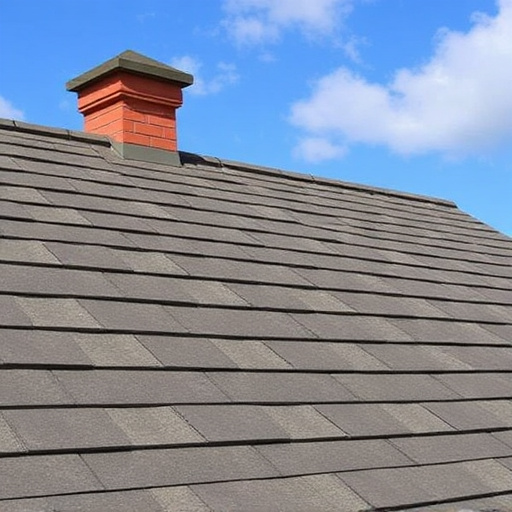
Shingle roofs, a standard choice for many homes, come with a range of warranties from manufacturers. These warranties often cover both the shingles and the underlayment, with varying coverage periods. A typical manufacturer's warranty might guarantee the shingles for 25 years, while the underlayment is covered for 20 years. When considering a new roof or repairs, comparing these warranty lengths is essential. Some manufacturers offer upgrades to their basic warranties, covering wind and hail damage, which is a significant concern in our area. It's advisable to have a written contract that clearly outlines these terms, especially when dealing with a new roof or significant repairs, as this protects both the homeowner and the roofer. A local roofing company serving Oro Valley, for example, should be able to guide clients through these options and ensure the appropriate warranty coverage is in place.
Claiming Your Warranty: Steps and Common Pitfalls

Claiming Your Warranty: A Step-by-Step Guide and Common Pitfalls
Knowing your rights under a roofing warranty is crucial, especially when dealing with unexpected issues like monsoon leaks. The process of claiming a warranty can seem daunting, but understanding the steps involved and common pitfalls can help ensure a smooth experience. Let's break down the process, using concrete examples from the local Oro Valley community, where DC Roofing of Arizona, a licensed roofer, serves Rancho Vistoso and beyond.
The first step is to refer to the warranty paperwork to keep from the manufacturer or contractor. This document outlines specific terms, conditions, and exclusions. Be sure to review it carefully. Look for details on the coverage period, what's included, and how to initiate a claim. Many tile roof warranties cover both new installations and repairs for a certain number of years, while foam coating warranties might be more focused on maintaining the integrity of the coating. Shingle system warranties often include upgrades and repairs, but always double-check the fine print.
Next, identify the issue. Is it a leaking roof, flashing problems, or wind and hail damage? Documenting the problem is key. Take photos, keep records of repairs, and note the dates. These details will be important if you need to escalate a claim. If you suspect a monsoon leak, collect evidence and contact your roofer promptly. They should be able to assess the damage and guide you through the warranty claim process, especially if they're a top-rated local contractor like DC Roofing.
Communication is vital. Contact your roofing contractor or manufacturer directly if the issue is significant. Be prepared to provide detailed information about the problem, your warranty, and any previous repairs. Keep records of all communications, including emails and notes from conversations. This documentation can be crucial if a dispute arises. If your roofer closes or you're considering a DIY repair, it's essential to understand how these actions might impact your warranty.
Remember, a well-maintained roof is often key to minimizing warranty issues. Regular inspections, as recommended by your contractor, can help identify problems early. By following these steps and avoiding common pitfalls like neglecting to document issues or forgetting to review the warranty, you can ensure a smooth process when claiming your roofing warranty.
Frequently Asked Questions About a plain language look at tile, foam and shingle roof warranty terms
What types of roofs are covered by a warranty?
Roof warranties typically cover three main types: tile roofs, foam roofs, and shingle roofs. Each type has its own set of benefits and limitations, with warranties ranging from 10 to 25 years based on material and installation quality. This depends on the manufacturer and local climate conditions.
How does a tile roof warranty differ from a foam roof warranty?
Tile roofs, often considered premium options, usually come with longer warranties, sometimes up to 25 years, due to their durability. Foam roofs, known for their insulation properties, typically have warranties between 10 to 20 years. Both warranties cover manufacturing defects, but the service life expectations and repair processes can vary.
What does a "workmanship" warranty cover?
A workmanship warranty covers defects resulting from faulty installation or poor workmanship by the roofing contractor. It does not include material defects, and claims are usually processed through the contractor who installed the roof. These warranties usually have a shorter duration, often 2 to 5 years, and may require proof of maintenance to validate a claim.
How do I know if my roof is under warranty?
Check your original purchase documents, including the contract and any materials provided by the manufacturer or contractor. Look for specific warranty information detailing the covered period, terms, and exclusions. If you're unsure, contact your roofing contractor or the manufacturer directly.
What happens if my roof is under warranty and I need repairs?
Contact your roofing contractor or the manufacturer to report the issue. They will assess the situation. If the repair falls under the covered warranty terms, they will either fix the problem or replace the defective material at no cost to you. Keep records of all communication and repair documents for future reference.
Are there any exclusions to roof warranties?
Yes, roof warranties typically exclude damage caused by extreme weather events, natural disasters, improper maintenance, or alterations to the roof. Always review the warranty carefully for specific exclusions. Neglectful or improper cleaning and maintenance can void your warranty.
Reading this guide, you now possess a comprehensive understanding of roof warranty terms, specifically those for tile, foam, and shingle roofs. Key insights include the distinction between manufacturer and workmanship warranties, what voids a warranty, and the importance of proper registration and maintenance. You know the common pitfalls to avoid when claiming a warranty, and you're equipped to ask the right questions before signing.
The article's practical guidance on warranty paperwork to keep will help you navigate the claims process smoothly. Remember, a thorough understanding of your warranty is crucial for protecting your investment. By familiarizing yourself with these terms, you can make informed decisions, ensure top-quality workmanship, and maintain your Oro Valley roof effectively.
Moving forward, consider these practical next steps:
- Review your warranty: Before any installation or repair, thoroughly read and understand your warranty terms.
- Keep detailed records: Maintain a file of all warranty paperwork, including claims and repairs, for easy reference.
- Consult a local expert: If you have any questions or concerns, reach out to a top-rated roofer in Oro Valley for expert advice.
Roof Warranty Understanding:
- Types: Manufacturer (materials) and workmanship (installation) warranties.
- Maintenance: Annual inspections are crucial for warranty validity.
- Warranty Paperwork: Keep it handy to understand coverage, exclusions, and claim procedures.
Key Warranty Terms:
- Manufacturer Warranties: Guarantee materials, like tile, for a set period.
- Workmanship Warranties: Cover installation and repairs by the roofer.
- Underlayment Warranty: Protects the protective layer beneath shingles.
Material-Specific:
- Tile: Focus on tile performance and materials, labor costs extra.
- Foam: Covers structural integrity, labor may not be included.
- Shingle: Varies by manufacturer, compare lengths and coverage, includes underlayment.
Claiming a Warranty:
1. Review warranty paperwork.
2. Document issues, take photos, keep records.
3. Communicate with the roofer or manufacturer directly.
4. Avoid common pitfalls: neglect documentation, forget to review warranty.