Roofing warranties are a critical component of home ownership, offering peace of mind and financial protection against unexpected repairs. For homeowners in Oro Valley, understanding these warranties is essential, especially when considering a new roof or repairing an existing one. However, navigating the terms and conditions can be complex, with many questions surrounding what is covered, what voids the warranty, and how to transfer it. This article provides a plain language guide to tile, foam, and shingle roof warranty terms, focusing on the manufacturer vs workmanship warranty, what voids coverage, and how to transfer a roof warranty smoothly. By the end, homeowners will have the knowledge to make informed decisions and protect their investments.
- Understanding Roof Warranty Basics
- Tile, Foam, and Shingle Coverage
- Transferring Warranty: A Natural Process
- Maximizing Coverage: Your Rights Ensured
Understanding Roof Warranty Basics
When considering a new roof, understanding the warranty terms is crucial. This is especially true when comparing materials like tile, foam, and shingles. Each type comes with specific warranty protections, and knowing how these guarantees work-including what can void them-is vital for any homeowner. Let's demystify the process, focusing on a plain language look at tile, foam, and shingle roof warranty terms.
A manufacturer's warranty is the first line of defense for your new roof. It covers defects in materials and workmanship, ensuring repairs or replacements if issues arise. CertainTeed, a leading roofing manufacturer, offers extensive warranties on its products. When you choose a roofer, ensure they're licensed (in Arizona, this is denoted by an ROC license) and can provide a detailed breakdown of your warranty options. DC Roofing of Arizona, for example, can guide you through the process of selecting and transferring a roof warranty, a service that ensures your protection continues even after they've completed the installation.
Roofing warranties vary in length and scope, from limited to lifetime guarantees. Shingle systems often come with prorated warranties, meaning the coverage decreases over time. On the other hand, foam coatings usually carry extensive warranties due to their durability. When transferring a roof warranty, it's important to maintain proper documentation. This includes keeping the original warranty paperwork, any modifications, and a record of all repairs or replacements.
Regular maintenance matters in keeping your warranty valid. This includes inspecting for damage, cleaning gutters, and ensuring proper ventilation. In areas prone to severe weather, like Oro Valley, a robust warranty that covers monsoon leaks is essential. Understanding what voids a warranty is critical. Common reasons include poor installation, lack of proper maintenance, or modifying the roof without the manufacturer's approval. By addressing these points, you can extend the life of your roof and ensure the protection offered by its warranty.
Tile, Foam, and Shingle Coverage
When considering tile, foam, or shingle roof coverage, understanding the nuances of each type is crucial, especially when transferring a roof warranty. This is particularly relevant for homeowners in Oro Valley, where community associations (HOAs) often have specific guidelines regarding roofing materials and warranties. Let's break down the differences and best practices for each.
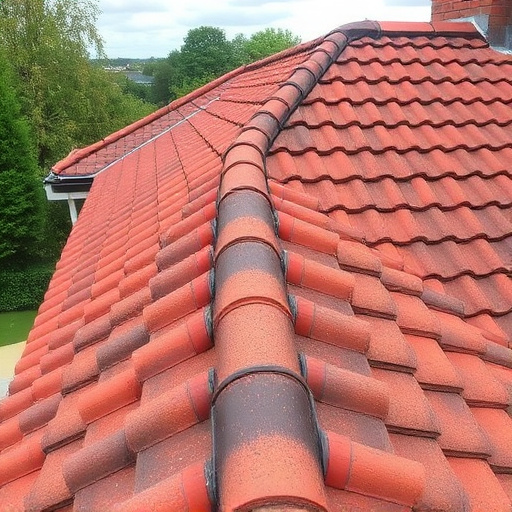
Tile roofs, known for their durability and aesthetic appeal, typically come with manufacturer warranties that cover material defects. However, these warranties often exclude labor costs for repairs or replacements. A manufacturer warranty on a tile roof might guarantee against cracks or delamination for 25 years, but labor to replace a damaged tile would be the homeowner's responsibility. When transferring a roof warranty in Oro Valley, it's essential to review these terms, especially if the HOA has specific rules regarding tile roofs. A local roofing company serving Oro Valley can provide expert advice on navigating these regulations, ensuring you understand the coverage limits and potential out-of-pocket expenses.
Foam roofs, a popular choice for their energy efficiency and lightweight nature, often come with comprehensive warranties. These warranties may cover both the foam material and the installation for a specified period, typically 20 to 30 years. However, as with any warranty, there can be exclusions. Damage from extreme weather events like monsoon storms might not be covered unless specifically noted. When transferring a roof warranty for a foam roof, it's crucial to scrutinize the fine print, paying close attention to what's covered and what's not. Understanding these details can help you make informed decisions and avoid surprises when filing a claim.
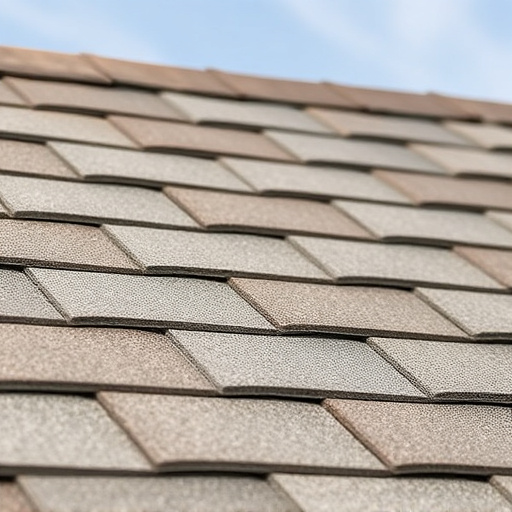
Shingle roofs, a traditional and widely used option, offer manufacturer warranties that vary widely in length and coverage. These warranties usually cover material defects and some installation issues. A standard shingle manufacturer warranty might cover repairs or replacements for 25 years. However, prorated warranties are common, meaning the coverage diminishes over time, with the homeowner paying a percentage of the cost for repairs as the warranty expires. When transferring a roof warranty for a shingle system, it's wise to consider the age of the roof and the remaining warranty life. A certified installer's warranty, separate from the manufacturer's, can also provide additional protection, but it's essential to understand the terms and conditions of both.
Transferring Warranty: A Natural Process

When you purchase a new roof, understanding how to transfer a roof warranty naturally is crucial for long-term protection. This process allows homeowners in Oro Valley, especially those governed by an HOA, to maintain coverage during ownership changes. Transferring a warranty involves a straightforward process, ensuring that your investment remains safeguarded.
The first step in transferring a tile, foam, or shingle roof warranty is identifying the original manufacturer or installer. This information is typically detailed in the warranty documents provided by your licensed Oro Valley area roofing contractor during the installation process. Once identified, contact the manufacturer or a certified installer to initiate the transfer. Most manufacturers require proof of purchase and a letter from the original installer indicating the roof's age, installation details, and the transfer request. If your roof was installed by DC Roofing of Arizona, they would provide you with the necessary paperwork to facilitate the transfer.
Annual inspections play a vital role in keeping your warranty active. These inspections, often required by your Oro Valley HOA, help identify potential issues early on. In the event of monsoon leaks or other damage, prompt repair is essential to maintain your warranty validity. Proper maintenance and timely repairs are key to a seamless transfer process. If a storm causes damage, the affected areas must be repaired according to the manufacturer's guidelines to avoid voiding the warranty.
During a transfer, it's important to review the warranty fine print. Some warranties may have limitations or require specific actions to maintain coverage. Understanding these terms ensures you meet all requirements. Certain manufacturers may place restrictions on DIY repairs or require that all work be performed by a certified installer. By adhering to these guidelines, you can confidently transfer the warranty and protect your investment in your Oro Valley home's roofing system.
Maximizing Coverage: Your Rights Ensured

For protecting your investment, understanding your roof warranty is crucial. This is especially true when considering a new installation, repairs, or transfers. Let's break down the key terms related to tile, foam, and shingle roofs to ensure you're maximizing your coverage and protecting your rights.
Roofing materials vary, as do their warranties. Tile roofs often come with manufacturer warranties that cover defects in materials and workmanship for a specific period. These warranties typically transfer to the new owner when you sell your home, providing ongoing protection. In contrast, foam roofs, known for their excellent insulation and durability, usually have warranties that emphasize performance and longevity. Shingle systems, a common choice for many homes, offer warranties that vary by manufacturer and can be enhanced through proper installation and ongoing maintenance.
When transferring a roof warranty, it's essential to follow the manufacturer's guidelines and local regulations. In Arizona, a roofer with an Arizona ROC license (a requirement for all professional roofing contractors) can assist with this process, ensuring the warranty is registered correctly. This registration step is vital as it allows you to track and access your warranty benefits if needed, especially when filing insurance claims for repairs or replacements due to storms like monsoon seasons.
Remember, the fine print matters. Always review the warranty documents, paying close attention to exclusions and conditions. Some warranties may not cover issues arising from improper installation, neglect, or natural disasters that are not local or seasonal events in your region. Understanding these limitations helps you prepare for potential out-of-pocket expenses and ensures you're using your coverage effectively, whether for repairs or full replacements.
Frequently Asked Questions About a Plain Language Look at Tile, Foam and Shingle Roof Warranty Terms
What is the difference between tile, foam, and shingle roofs in terms of warranties?
Roof warranties vary greatly depending on the material. Tile roofs, often used in desert climates like Arizona, tend to have longer warranties due to their durability. These warranties usually cover the tile itself, as well as labor for repairs. Foam roofs, popular for their insulation properties, come with warranties focusing on structural integrity and leak prevention. Shingle roofs, common across many U.S. Regions, have warranties centered on material defects and replacement, with varying terms based on the manufacturer and local conditions.
How long do typical warranties last for each type of roof?
-
Tile Roofs: Warranties can extend from 25 to 50 years, with some premium tiles offering even longer periods.
-
Foam Roofs: Expect warranties ranging from 15 to 30 years, depending on the product and installation quality.
-
Shingle Roofs: Shingle warranties usually cover 25 to 50 years, though they may have limitations based on factors like proper maintenance and exposure to extreme weather.
What does a typical tile roof warranty cover?
A tile roof warranty typically covers the following:
- Tile Failure: Repairs or replacement of tiles that have cracked, broken, or become loose.
- Water Penetration: Protection against water seepage through the roof due to defects in the tile or underlayment.
- Labor Costs: Covers the cost of labor required to repair or replace the tiles. Some warranties may have separate lines for material and labor coverage.
Can I void my warranty, and if so, under what circumstances?
Warranty voiding conditions vary. Common factors include:
- Negligent Installation: If the roof was installed improperly, it may void the warranty.
- Lack of Maintenance: Some warranties require regular cleaning and inspection to remain valid.
- Extreme Weather: Exposure to extreme conditions, like heavy winds or hailstorms, might void the warranty if damage results from natural causes beyond the control of the manufacturer.
- Modifications: Making changes to the roof structure or using unauthorized materials can also void coverage.
What should I do if I believe my roof is under warranty but am being denied coverage?
If you believe your roof is covered but are facing denial, take these steps:
- Review Your Warranty: Carefully examine the terms and conditions to understand what's covered and what's excluded.
- Document Damage: Take photos and keep records of any issues, along with dates and communications with the warranty provider.
- Contact the Manufacturer or Contractor: Reach out to the warranty provider directly, providing them with the necessary documentation. Be persistent in pursuing a resolution.
- Seek Legal Advice: If all else fails, consulting a legal professional specializing in insurance or construction disputes may be beneficial.
Understanding roof warranties is crucial for any homeowner in Oro Valley. This article has demystified key aspects of tile, foam, and shingle roof warranties, empowering local residents to make informed decisions. By grasping the differences in coverage and the significance of a manufacturer versus workmanship distinction, homeowners can maximize their protection. Transferring a roof warranty naturally is a simple process, ensuring continuity of coverage even when contractors change hands.
The article highlights the importance of meticulous maintenance to keep warranties valid and provides clear guidance on what voids a guarantee, such as improper installation or missing required underlayments. It also emphasizes the value of registering your warranty and understanding the fine print, especially regarding prorated coverage, lifetime limits, and labor costs.
In the face of potential disputes, homeowners are now equipped to navigate roof warranty claims with confidence. They can confidently seek out top-rated roofers who hold valid ROC licenses and understand the difference between new roof warranties and repairs, ensuring the best value for their property and peace of mind during Arizona's monsoon season.
Understanding roof warranties, especially for tile, foam, and shingles, is crucial for homeowners in southern Arizona. Each type has unique protections, with manufacturer warranties covering defects. Transferring these warranties, required for new owners or during major repairs, involves identifying the original installer, providing proof of purchase, and adhering to the manufacturer's guidelines. Regular maintenance, including inspections and timely repairs, is key to keeping the warranty valid. Local regulations, like those from Oro Valley HOAs, should be considered. Reviewing the fine print ensures you understand coverage limits and potential out-of-pocket expenses. By following these steps, homeowners can protect their investment and ensure their roofs are covered for years to come.