In the Oro Valley roofing market, understanding warranties is crucial for homeowners looking to protect their investments. A roof is a significant component of your home, and a quality warranty can ensure peace of mind for years to come. However, navigating warranty terms can be complex, and signing a contract without clear understanding can lead to future disputes. This article provides a checklist of essential questions to ask before signing any roofing contract, focusing on both manufacturer and workmanship warranties. We'll guide you through what voids a warranty, how to transfer coverage, and the key steps in filing a roof warranty claim, ensuring you're equipped with the knowledge to make informed decisions and protect your property.
- Understanding Your Roof Warranty Coverage
- Essential Warranty Questions for Contractors
- Navigating Roof Warranty Claim Process
- Protecting Your Investment: Warranty Tips & Red Flags
Understanding Your Roof Warranty Coverage

Understanding Your Roof Warranty Coverage is crucial for any homeowner in Oro Valley looking to protect their investment. Before signing a roofing contract, it's essential to ask specific questions about the warranty to ensure you're adequately covered. Consider clarifying the distinction between manufacturer and workmanship warranties. While a manufacturer's warranty typically covers defects in materials, workmanship warranties protect against issues arising from the installation process.
Ask your roofer about the duration of their workmanship warranty. However, be sure to inquire about any exclusions or conditions that might void the warranty. Common reasons for voiding include improper maintenance, lack of proper ventilation, or damage caused by weather events not covered by the policy, such as severe monsoon leaks.
When evaluating a roof warranty, pay close attention to the type of roofing materials used. Top-rated roofers in the Oro Valley area usually provide warranties for their products, like those from Owens Corning or CertainTeed. These warranties can vary in length and scope, so understand what's covered and what's not. A tile roof warranty might have specific provisions for replacing missing or damaged tiles, while a shingle system warranty might include upgrades or repairs for broken shingles.
Lastly, always ask about the roof warranty claim steps and documentation required. Knowing how to initiate a claim and what paperwork to keep can save you time and stress if you ever need to file one. Remember, an experienced Oro Valley roof specialist can guide you through the process, ensuring you're fully aware of your rights and the coverage available to you. This proactive approach will help protect your home and your investment for years to come.
Essential Warranty Questions for Contractors

When you're considering a roofing project in the Oro Valley area, especially during our monsoon season, the conversation around warranties is crucial. As a homeowner, you want to ensure your investment is protected. Before signing any contract, you should have a thorough understanding of the warranty, especially for the contractor's responsibilities. This is where essential warranty questions come into play.
Start by asking about the distinction between a manufacturer's warranty and a workmanship warranty. A manufacturer's warranty typically covers the materials used, while a workmanship warranty focuses on the installation and repairs. A top-rated Oro Valley roof specialist will offer both. Be sure to inquire about the specific coverage details, duration, and any exclusions, particularly regarding monsoon leaks and underlayment. These are common areas where claims can be complicated. Also, ask about the process for transferring a warranty if you sell your home or if a roofer closes their business.
Another critical aspect is understanding what voids a warranty. Poor maintenance, misusing the warranty, or failure to follow the manufacturer's guidelines can all impact coverage. An elastomeric coating might void a traditional shingle system warranty, but it can extend the life of your roof. Be clear on these points to avoid unexpected disputes. When considering a new roof vs. Repairs, a warranty plays a pivotal role. It can guide your decision-making process, especially when prioritizing long-term protection against costly repairs. Always ask for the warranty in writing, and keep the paperwork safe. This becomes essential when filing a roof warranty claim, outlining the steps to resolve issues efficiently.
Navigating Roof Warranty Claim Process
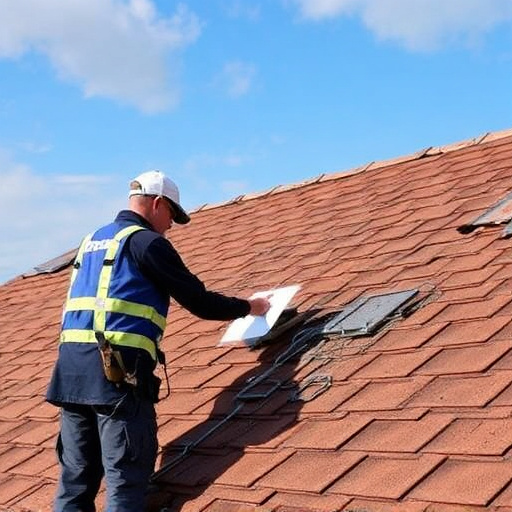
Navigating the roof warranty claim process is a crucial step for Oro Valley homeowners, especially when dealing with unexpected issues like leaks or storm damage. Understanding your rights and the steps involved can ensure a smoother recovery. Here's a breakdown of the key actions and considerations when filing a claim.
When a roof starts to show signs of wear or damage, the first step is to review your warranty. Most roofing manufacturers, such as GAF, offer comprehensive warranties that cover both materials and craftsmanship. In Oro Valley, homeowners often rely on these warranties, especially when the initial installation was handled by a licensed contractor like DC Roofing of Arizona. The warranty will dictate who is responsible for repairs or replacements and the extent of coverage. A workmanship warranty from GAF typically covers defects in materials or installation for a specified period, while a manufacturer's warranty might focus on product failures.
Before initiating a claim, it's essential to familiarize yourself with the warranty's terms and conditions. Check the policy's timeline for when claims can be filed and any specific requirements, such as maintaining proper maintenance records. Many warranties require proof of regular inspections and upkeep, like checking for loose shingles or damaged underlayment, to remain valid. An Oro Valley HOA (Homeowners Association) might have specific guidelines on maintenance that homeowners must adhere to, ensuring the warranty remains active. Once you've gathered all necessary documentation, including photos of the damage and your maintenance records, you're ready to contact your roofing contractor or the manufacturer directly.
The roof warranty claim process involves clear communication and documentation. Homeowners should request a claim form from their contractor or manufacturer, detailing the issue and providing space for supporting photos and descriptions. Be sure to keep copies of all forms and correspondence. After submitting the claim, the provider will assess the damage and determine the next steps. This might involve scheduling an inspection, providing additional information, or negotiating a solution. It's during this phase that understanding the fine print of your warranty becomes crucial, ensuring you're aware of any deductibles, coverage limits, or specific exclusions. Some warranties might not cover damage from wind or hail, requiring separate coverage or a different claim process.
Protecting Your Investment: Warranty Tips & Red Flags

Protecting Your Investment: Warranty Tips & Red Flags
When signing a roofing contract, your focus should be on securing a reliable roof and a solid warranty to safeguard your investment. A comprehensive warranty offers peace of mind, ensuring that any issues are covered and repairs are handled efficiently. However, not all warranties are created equal, and understanding the fine print can be crucial. This section guides you through essential warranty questions to ask before signing, with a focus on protecting your investment.
First, clarify the distinction between a manufacturer's warranty and a workmanship warranty. A manufacturer's warranty typically covers the materials used, while a workmanship warranty focuses on the installation and any defects arising from it. Eagle Roofing tile warranties may vary, so ensure you understand the scope of coverage. In Oro Valley, a licensed roofer should provide a detailed breakdown of both types of warranties, highlighting any transferable benefits if you decide to sell your home. Transferable warranties can be a significant advantage, offering continued protection even after ownership changes.
Another critical aspect involves understanding what voids your warranty. Common reasons include inadequate maintenance, incorrect product installation, or modifications made to the roof. Failure to install underlayment properly could void your warranty, leading to costly repairs later. Therefore, ask about maintenance requirements and specific installation guidelines. An experienced Oro Valley roof specialist can provide valuable insights into the most common issues that void warranties, empowering you to take proactive steps to preserve your coverage.
Finally, be aware of the difference between a new roof warranty and a repair warranty. A new roof warranty typically covers the entire structure, while a repair warranty might be more limited, focusing on specific issues. When dealing with monsoon leaks or wind and hail damage, understanding these distinctions is vital. The warranty claim process should be straightforward, involving clear steps such as reporting the issue, providing documentation, and coordinating with the contractor. For DIY repairs, be cautious, as attempting to self-fix may void your warranty. Instead, rely on professionals to ensure your roof warranty claim steps are followed accurately, preserving your investment.
Frequently Asked Questions About a checklist of warranty questions to ask before signing a roofing contract
What is a warranty for roofing work? A warranty is a commitment from the roofing contractor guaranteeing the quality of their work and the materials used. It provides assurance that any defects or issues arising from the initial installation will be rectified without cost to the homeowner. Warranties vary, covering different aspects such as materials, workmanship, or both, and differ in duration.
Why is it important to review the warranty before signing? Before signing a contract, understanding the warranty is crucial. It outlines what is covered, the duration of coverage, and the process to file a claim. Reviewing it ensures you're protected and can prevent disputes later. It's a safety net that offers peace of mind and financial security for your investment in a new roof.
What should I look for in a roofing warranty? Key elements to examine include: the warranty's scope (materials, workmanship, or both), duration, terms for activation, exclusions, and the contractor's reputation. Ensure the warranty is in writing, clear, and provides contact information for claims. Check if it's transferable and how it's backed by the contractor or manufacturer.
How long should a roofing warranty last? The ideal duration depends on the scope and type of warranty. A typical materials-only warranty might last 20-25 years, while a combined materials and workmanship warranty could extend to 10-20 years. Longer warranties suggest greater confidence in the contractor's work and the materials used.
Can I change or negotiate the warranty terms? Warranty terms are generally set and unchangeable to protect both the contractor and homeowner. While negotiation isn't possible, ensure the terms align with your expectations and needs. If a contractor offers an unusually short warranty, it might indicate subpar materials or workmanship.
What happens if I file a warranty claim? Upon identifying a covered issue, contact the contractor to initiate the claim process. They will usually inspect the work and, if valid, arrange for repairs or replacements. Keep detailed records of communication and documentation related to the claim.
Is there a limit to the number of claims I can make? Some warranties have limitations on the number of claims or the type of issues that can be covered. Check for these restrictions and understand what's excluded. Normal wear and tear is often excluded, and claims must be made within the warranty period.
Before signing any roofing contract, homeowners should be well-versed in the intricacies of roof warranties. This article has equipped you with a comprehensive checklist of essential questions to ask, guiding you through the process of understanding your coverage, navigating claims, and protecting your investment. Key insights include the distinction between manufacturer and workmanship warranties, common voids, and the importance of registered warranties. By knowing what voids a roof warranty and understanding the roof warranty claim steps, you can ensure effective protection against monsoon leaks, wind and hail damage, and more. Prioritizing clear communication with your contractor, seeking certified installers, and maintaining thorough paperwork are crucial for a smooth experience. Armed with this knowledge, you're now better prepared to make informed decisions, safeguarding your home and your investment.
Homeowners in Oro Valley, Arizona, should thoroughly understand their roof warranty to protect their investment. When signing a contract, ask about:
1. Warranty Types: Distinguish between manufacturer and workmanship warranties. The former covers materials, the latter installation.
2. Coverage Details: Inquire about duration, exclusions (e.g., improper maintenance, monsoon leaks), and transferable benefits.
3. Claim Process: Understand steps, required documentation, and potential voids (e.g., DIY repairs).
4. Maintenance Requirements: Ensure proper maintenance records to keep warranties active.
Proactive questioning and understanding these key aspects ensure comprehensive coverage and smooth claims processes.