In the competitive Oro Valley roofing market, understanding what voids a roof warranty is crucial for both homeowners and contractors. A roof warranty-be it a manufacturer or workmanship warranty-is a protective shield, ensuring repairs or replacements for defects beyond normal wear and tear. However, many homeowners unwittingly void these guarantees through improper maintenance or poor workmanship. This article serves as a practical guide, helping you avoid common pitfalls and ensuring your roof, whether a new installation or repair, stays protected. We'll examine the specifics, including the role of an underlayment warranty, to empower you to make informed decisions and safeguard your investment.
- Understanding Roof Warranty Exclusions: Common Void Triggers
- The Role of Proper Installation: Underlayment Warranty Essentials
- Maintenance and Repairs: What Extends or Voids Coverage
- Legal and Contractual Aspects: Your Rights and Responsibilities
Understanding Roof Warranty Exclusions: Common Void Triggers
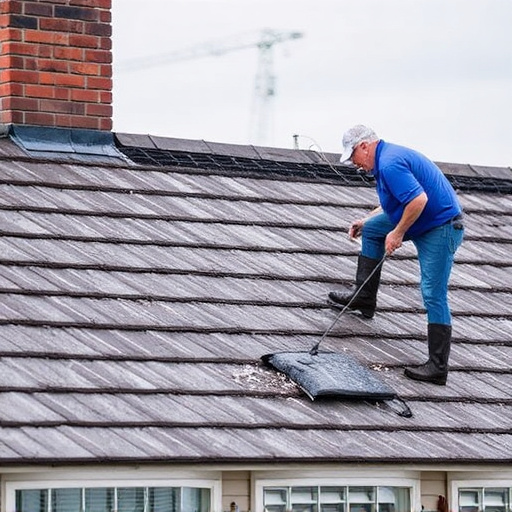
For protecting your home's investment, understanding what can void your roof warranty is crucial. Roof warranties, especially the underlayment warranty, are designed to safeguard against defects and ensure long-term protection. However, it's essential to recognize that these warranties come with certain conditions. A roofer with an Arizona ROC license will typically outline these exclusions, and being aware of them can help you maintain the integrity of your coverage.
One of the most common triggers for voiding a roof warranty is inadequate or skipped maintenance. Regular annual inspections are vital to identify potential issues early on. A missed inspection might overlook a problem with the flashing, which could lead to a voided warranty if a storm causes water damage. The underlayment, a crucial barrier between your roof and the elements, requires regular attention to remain effective.
Another exclusion often found in roof warranties is poor installation or workmanship. This includes subpar materials or incorrect installation techniques, which can compromise the structural integrity of your roof. Using the wrong type of nail or not following manufacturer guidelines for installation could render your warranty null and void. Transferable warranties are a popular option, allowing you to pass on the coverage to a new homeowner, but they also come with specific conditions, such as ensuring the new owner is informed about the warranty's terms.
Lastly, natural disasters like monsoon storms or wind and hail events can impact your warranty. While these events are beyond your control, understanding the terms of your policy can help. Some warranties cover damage from extreme weather, while others may require additional measures, like a wind-resistant underlayment, to remain valid. Always review your policy and consult with a local roofing expert, such as DC Roofing of Arizona, to ensure you're aware of any potential voiding factors. Regular care and attention to detail will ensure your roof remains protected under its warranty for years to come.
The Role of Proper Installation: Underlayment Warranty Essentials

The proper installation of a roof is a crucial factor in maintaining a valid underlayment warranty. This is especially important in Oro Valley, where unpredictable weather conditions, including monsoon storms, can cause significant damage. A licensed Arizona roofer, such as DC Roofing of Arizona, understands that the underlayment-the layer of protection beneath the shingles-matters in protecting your home. When installed correctly, this essential component can guard against leaks and extend the life of your roof.
Elastomeric coatings, for instance, are a popular underlayment choice for their superior waterproofing abilities. However, for the warranty to remain active, specific installation guidelines must be followed. This includes ensuring proper placement, adequate overlap, and secure fastening. A top-rated roofer will ensure these steps are completed accurately, as even minor deviations could void the warranty. If the underlayment is not properly sealed at the joints or edges, water penetration could occur, leading to a claim rejection.
Warranty registration is another critical aspect often overlooked. Homeowners in Rancho Vistoso and neighboring areas should confirm that their roofing contractor provides clear instructions and documentation for registering the underlayment warranty. This process typically involves filling out a form with the manufacturer or a recognized warranty association. Proper registration ensures that any future issues can be quickly resolved, as the manufacturer has all the necessary details.
Regular maintenance is also key to preserving the underlayment warranty. This includes periodic inspections to check for signs of damage, such as tearing or water stains. If issues are identified, prompt repair or replacement may be necessary to keep the warranty valid. If a storm causes damage to the underlayment, it's crucial to address it quickly to prevent further complications and ensure the warranty remains in effect.
Maintenance and Repairs: What Extends or Voids Coverage

Maintaining your roof is crucial for extending the life of your warranty. While a well-installed roof with a robust underlayment warranty can protect your Oro Valley and Marana home from the elements, improper maintenance or repairs can void that coverage. Let's explore key areas where a roofing contractor serving Oro Valley and Marana can help you keep your warranty intact.
One common pitfall is neglecting the underlayment. This crucial layer, often made of felt or synthetic material, provides an extra barrier against moisture intrusion. If it becomes damaged, torn, or installed improperly, it can void your underlayment warranty. A licensed roofer with an Arizona Registrar of Contractors (ROC) license will inspect the underlayment during installation and perform regular checks to ensure it remains in optimal condition. They'll also address any issues promptly, preventing small problems from turning into costly leaks that render your warranty useless.
Another area of concern is DIY repairs or using substandard materials. While a do-it-yourselfer might patch a minor leak, significant repairs or replacements usually require professional expertise. Attempting to fix things yourself could lead to further damage and void your warranty. An experienced Oro Valley roof specialist can provide guidance on when to tackle small fixes yourself and when to leave it to a pro. They also have access to high-quality materials that meet manufacturer specifications, ensuring your repairs are covered under your warranty. Remember, using low-quality materials or improper techniques, even for seemingly minor repairs, can render your warranty void.
Legal and Contractual Aspects: Your Rights and Responsibilities

When you're dealing with a new roof or repairs after a storm, understanding what can void your roof warranty is crucial. This goes beyond just the visible aspects of your roof-it examines the legal and contractual aspects of your agreement with a roofing contractor serving Oro Valley and Marana. Let's explore your rights and responsibilities regarding the underlayment warranty.
A roof's underlayment, as a critical component, matters in your warranty coverage. This layer acts as a secondary barrier against moisture, temperature extremes, and other environmental factors. A written contract with your roofing contractor clearly outlines the terms of the underlayment warranty. It's essential to read and understand this document thoroughly. Typically, these warranties cover defects in material and workmanship for a specified period, often 5 to 25 years. However, your coverage can be significantly impacted by several factors.
Neglecting proper maintenance, for instance, can void your underlayment warranty. Regular checks and repairs, such as securing loose underlayment or replacing damaged sections, are crucial. Improper installation or failure to follow manufacturer guidelines can lead to warranty claims being denied. If the underlayment is not properly sealed or secured, it may not withstand extreme weather conditions, leading to leaks and voiding your warranty. Even unforeseen events like severe storms or acts of nature might affect your coverage if they are explicitly excluded in your contract.
In the event of an insurance claim for roof damage, it's important to understand the relationship between your insurance and warranty. Some policies may cover roof repairs or replacements, but they could still leave you responsible for paying for specific parts or labor out of pocket. If a storm causes significant damage, your home insurance might cover the repair or replacement cost, but the underlayment warranty would typically step in for the material itself. This distinction is crucial when deciding whether to file an insurance claim or rely solely on your warranty.
Frequently Asked Questions About What Can Void a Roof Warranty
What is a roof warranty? A roof warranty is a promise from a roofing contractor or manufacturer that guarantees the quality and performance of a newly installed or repaired roof. It provides homeowners with protection against defects or damage caused by manufacturing or installation errors. Warranties typically cover materials and labor for a specified period, offering peace of mind and financial security.
What happens if I file a claim under my roof warranty? When you file a claim, the contractor or manufacturer will assess the issue. If the problem is covered by the warranty, they will either repair or replace the defective materials. The process varies by contractor and warranty type, but typically involves scheduling an inspection, providing documentation, and waiting for the resolution. Keep detailed records of all communications and repairs to facilitate the claim.
Can regular maintenance void my roof warranty? Regular maintenance, such as cleaning gutters, inspecting for damage, and sealing flashing, generally does not void a roof warranty. In fact, these practices are recommended to prolong the roof's lifespan. However, some warranties may exclude coverage for issues arising from lack of maintenance. Always review your warranty agreement to understand specific maintenance requirements.
What types of damage are not covered by a roof warranty? Most roof warranties do not cover damage caused by extreme weather conditions like strong winds, hailstorms, or heavy snowfall. They also typically exclude issues resulting from poor maintenance, faulty installation by a non-warranty contractor, or normal wear and tear. Damage from structural issues, poor substrate preparation, or incorrect material placement is generally not covered.
How long does a roof warranty last? Roof warranties vary in duration but commonly last between 25 to 50 years. The time period depends on the manufacturer, the type of roofing material, and the quality of the installation. It's crucial to understand the specific terms and conditions of your warranty, as some may require annual inspections or specific maintenance routines to remain valid.
What should I do if I suspect my contractor is not adhering to the warranty? If you suspect a breach of warranty, document the issue with photos, videos, and detailed notes. Contact the contractor immediately to discuss your concerns. If they fail to resolve the problem, reach out to the manufacturer or the local building authority for assistance. Keep all communications and records for potential legal action if necessary.
Can I transfer my roof warranty to a new homeowner? Some warranties are transferable to new homeowners, especially in situations where the property is sold within a certain period after installation. However, this feature depends on the warranty terms and the policies of the original contractor. Always review the warranty agreement for transferability provisions and consult with the contractor or manufacturer if you're unsure.
As we've explored the ins and outs of roof warranties in Oro Valley, it's clear that understanding what voids your coverage is paramount to protecting your investment. Key takeaways include the significant impact of proper installation, especially for the underlayment warranty-a crucial component that, when maintained, can extend your protection. Regular maintenance and timely repairs are also vital, as they not only keep your roof in top condition but also ensure your warranty remains valid.
Being aware of the legal aspects and reading your contract thoroughly can help avoid common pitfalls. By understanding your rights and responsibilities, you can confidently navigate any issues that arise and ensure disputes are resolved promptly.
A well-informed homeowner is a protected homeowner. By heeding the insights provided in this article-from the role of proper installation to legal considerations-you can maximize the benefits of your Oro Valley roof warranty, ensuring your home is shielded from the elements for years to come.
Protecting your Oro Valley and Marana roof investment requires understanding what voids your underlayment warranty. Regular maintenance, including annual inspections, is crucial to catch issues early, like problems with flashing or the underlayment itself. Proper installation and adherence to manufacturer guidelines are essential; deviations can nullify the warranty. Natural disasters may impact coverage, but understanding your policy helps.
Licensee roofer DC Roofing of Arizona can guide you on:
- Installation Best Practices: Ensuring correct techniques and materials for optimal protection.
- Warranty Registration: Providing clear instructions for a valid claim.
- Maintenance Guidance: Identifying and addressing issues promptly to preserve the warranty.
Neglecting underlayment care, DIY repairs with substandard materials, and improper installation are common voiding factors. Always consult a licensed contractor for expert advice tailored to your specific warranty and your Oro Valley home's needs.