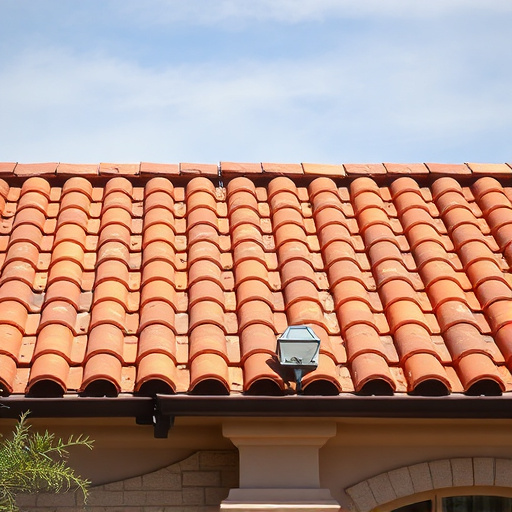
In Oro Valley, a leaky roof isn't just a nuisance; it's a potential nightmare for homeowners, especially when considering the extent of damage and the cost of repairs. Warranties, a crucial safety net for your investment, can make the difference between a costly fix and a covered repair. This article guides you through the process of making a warranty claim after a leak, focusing on the common issues, the importance of timely action, and the best practices to ensure your tile roof warranty length remains protective. We'll demystify the claims process, highlighting the key steps and considerations, so you're prepared to navigate your warranty coverage effectively.
- Understanding Your Tile Roof Warranty Coverage
- Identifying Leaks and Documenting Damages
- The Claim Process: Step-by-Step Guide
- Post-Claim: Resolution, Repairs, and Prevention
Understanding Your Tile Roof Warranty Coverage
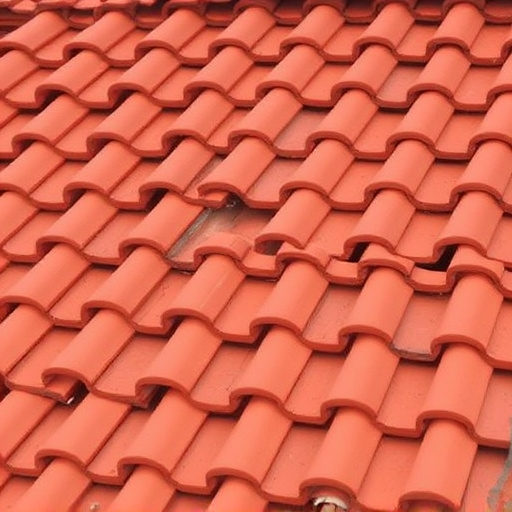
When dealing with a leak in your tile roof in Sun City Oro Valley, understanding your warranty coverage is crucial. Your tile roof warranty length matters in how you navigate repairs and claims, especially during the monsoon season. Unlike a manufacturer's warranty, which typically covers defects in materials, a tile roof's warranty often focuses on workmanship and covers leaks resulting from poor installation. A quality roofer in Oro Valley might offer a 20-year warranty on their workmanship, ensuring peace of mind for homeowners.
When a leak occurs, especially during a monsoon storm, the first step is to contact your roofer for an assessment. They will determine if the leak is covered under your warranty. If it is, they will initiate the repair process, which might include replacing faulty tiles or underlayment. Keep detailed records of all communications and repairs, as these documents are crucial if a dispute arises. Remember, understanding your tile roof warranty length and conditions is essential to ensuring your home remains protected.
Identifying Leaks and Documenting Damages
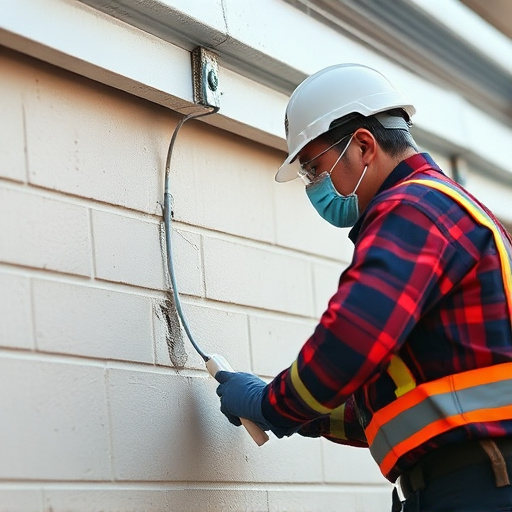
Identifying leaks and documenting damages is a crucial first step in making a warranty claim, especially after a monsoon storm. As a homeowner, you may be eligible for coverage under your tile roof warranty, which typically has a length of 20 to 30 years, depending on the manufacturer and local conditions. An experienced Oro Valley roof specialist recommends immediate action if you suspect a leak. Check for common signs like discolored or bulging ceiling tiles, water stains on the underside of your roof, or leaks at the vents or chimneys.
Once you've identified a leak, document the damage thoroughly. Take high-quality photos of the affected areas, noting the location, extent, and any visible wear or tear. Keep detailed records of any communication with your roofer, including the date, time, and specific details of the conversation. In Oro Valley, many roofing companies offer warranty registration services to ensure you receive the benefits promised by the manufacturer, such as CertainTeed. This process involves providing proof of purchase and installation, along with your warranty claim.
If the leak is due to poor workmanship or missing underlayment, your claim may fall under the manufacturer vs. Workmanship warranty. In these cases, you'll need to engage a licensed roofer with an Arizona ROC (Roofing Contractors) license to assess and repair the issue. Keep open lines of communication with your contractor, asking questions about the warranty coverage, expected timeline, and any costs not covered by the warranty. Repairs related to wind or hail damage may be partially or fully covered, while normal wear and tear is usually not. Remember, proper maintenance can help extend the life of your roof and keep your warranty valid, so stay proactive in caring for your Oro Valley home's most valuable asset-its roof.
The Claim Process: Step-by-Step Guide

When a leak occurs, understanding the warranty claim process is crucial, especially with the varying types of roof coverage available. This step-by-step guide outlines the actions to take after a monsoon leak, focusing on tile roof warranties and their specific conditions.
Step 1: Review Your Warranty and Policy
Before initiating a claim, carefully read your warranty documents. Differentiate between manufacturer warranties, which typically cover the materials, and workmanship warranties, which safeguard against defects in the installation or repair. A tile roof warranty might include a 25-year manufacturer's warranty and a 10-year workmanship warranty. Verify if the leak is covered under the manufacturer or workmanship portion, as these have distinct implications for the claim process.
Step 2: Document and Photograph the Damage
Document the leak by taking photos of the affected area, the damaged tile or shingle, and any visible water stains. These records are essential for supporting your insurance claim or warranty request, as they provide concrete evidence of the extent of the damage. Keep detailed notes about when the leak was discovered, the location, and any previous repairs made to the same area.
Step 3: Contact Your Insurance Provider
If your home insurance policy covers roof leaks, file a claim with your insurer. They may send an adjuster to assess the damage and determine the cause. During this process, be prepared to provide the documentation and photographs you've gathered. If the leak is deemed a result of poor workmanship or installation, your insurance claim could lead to a referral for a repair or replacement, potentially covered under your policy.
Step 4: Engage a Licensed Roofer with an Arizona ROC License
For tile roof repairs, it's advisable to engage a professional roofer with a valid Arizona ROC license. They can assess the damage, provide an estimate for repairs, and help navigate the warranty claim process. Ensure the roofer understands your warranty details and the scope of work required. A licensed roofer can also assist with documenting the repair work, which is crucial for warranty registration, especially if the manufacturer requires proof of repair.
Post-Claim: Resolution, Repairs, and Prevention

After a leak occurs, navigating the warranty claim process can be stressful. However, understanding the resolution, repairs, and prevention aspects of your tile roof warranty length is crucial for a smooth experience. DC Roofing of Arizona, a local roofing company serving Oro Valley, emphasizes the importance of clear communication and thorough documentation throughout this process.
First, warranty registration plays a vital role. Ensuring your roof is properly registered with the manufacturer, like CertainTeed, allows for direct access to warranty coverage. Keep accurate records of your purchase, including the model and serial numbers, as these are essential for verifying your warranty claim. If you're unsure about registration, consult your written contract or contact your roofer directly. They should be able to guide you through this step, which is crucial for avoiding potential voids in your tile roof warranty length.
When a leak occurs, immediate action is necessary. Document the damage thoroughly, taking photos and noting the specific area affected. This detailed record will aid in the claim process and help ensure the right repairs are made. Leaks often stem from issues like missing or damaged underlayment, poor installation, or deterioration over time. The roofer will assess the situation and provide an estimate for repairs. In many cases, especially with a valid warranty, these repairs are covered, extending the tile roof warranty length.
To prevent future issues, maintain your roof according to the manufacturer's guidelines. Regular inspections and proper maintenance can catch problems early, reducing the risk of leaks. Checking for loose or damaged shingles after a storm and promptly replacing them can significantly extend the lifespan of your roof and the validity of your tile roof warranty length. Remember, proactive care is often less costly and more effective than reactive repairs.
Frequently Asked Questions About advice on making a warranty claim after a leak
What if I suspect a leak but can't find the source? If you suspect a leak but cannot pinpoint the origin, start by inspecting common areas like rooftops, pipes, and fittings. Check for water stains, dripping sounds, or dampness. Contact a professional roofer or plumber to conduct a thorough inspection. Many companies offer leak detection services, utilizing advanced technology to locate the source, which can be crucial for effective repair and successful warranty claims.
How soon after the leak occurs should I file a claim? It's essential to act promptly. Most warranty claims require that you report the leak within a specific timeframe, often within 24 to 48 hours of discovery. This prompt action increases the likelihood of successful resolution. Contact your contractor or check the terms of your warranty for the preferred reporting procedure and any deadlines.
What documentation do I need to support my warranty claim? To support your claim, gather essential documentation, including photos of the leak and any visible damage, a description of the problem, and the model and serial numbers of the affected equipment. Keep all receipts from repairs or replacements. Some warranties may require additional forms or letters, so review your warranty document thoroughly.
Can I get compensation for temporary repairs if the leak causes damage? Most warranties cover both repair and replacement costs. If the leak results in temporary repairs or the need for alternative accommodations, you may be eligible for compensation. Document these expenses and discuss them with your contractor. They should guide you through the process of submitting these additional claims.
What if the leak was caused by a faulty installation? If the leak occurred due to poor installation, workmanship, or a defect in the materials, your warranty may still cover the repairs or replacement. Contact the roofer or contractor who performed the original work. They are responsible for ensuring their workmanship meets the terms of the warranty. Provide them with the necessary details, and they will guide you through the claim process.
When faced with a roof leak, understanding your tile roof warranty coverage is crucial. By knowing the specifics of your warranty, from its length to the types of damage it covers, you can navigate the claim process more effectively. Documenting leaks and damages early on, while crucial, is only the first step. Following a step-by-step guide for the claim process ensures a smooth resolution, and understanding post-claim resolution, repairs, and prevention strategies can help avoid future issues.
The key takeaway is that a thorough understanding of your tile roof warranty length and conditions empowers you to protect your investment. By being proactive in documenting, claiming, and maintaining your roof, you can ensure longevity and peace of mind, backed by the expertise of top-rated roofers in your Oro Valley community. These practical steps, combined with the knowledge of local warranties and the role of the ROC license in warranty protection, equip homeowners to make informed decisions and keep their homes secure.
Understanding your tile roof warranty length is crucial after a leak in Oro Valley. Warranties often cover workmanship, not just materials, and may decrease over time (prorated coverage). Document damage thoroughly, including photos, for warranty claims. Verify leak coverage under manufacturer or workmanship warranties. Engage a licensed roofer with an Arizona ROC license for repairs and warranty registration. Regular maintenance and inspections extend warranty life and prevent leaks.