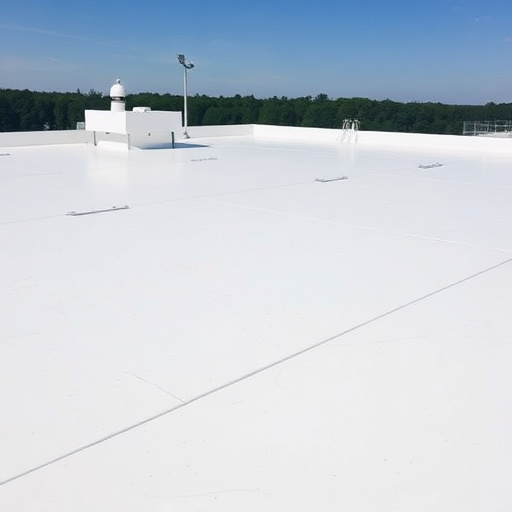
In Oro Valley, understanding the interplay between roof warranties and homeowners insurance is crucial for any homeowner looking to protect their investment. The question, "What covers what?" and "How do I know if my repairs are covered?" are common concerns. This confusion is understandable given the complex interplay between different types of coverage. Before signing any contract, it's vital to know how these warranties and insurance policies work together-and apart. This article serves as your practical guide, demystifying the process and empowering you with the knowledge to make informed decisions, ensuring your home's roof is protected by the best possible coverage. By the end, you'll understand the key differences between manufacturer vs. Workmanship warranties, the types of coverage that homeowners insurance provides, and the best practices for maintaining your roof warranty.
- Understanding Roof Warranties: Basics for Homeowners
- Homeowners Insurance: Coverage for Roof Repairs and Replacement
- Warranty vs. Insurance: When and How They Work Together
- Resolving Warranty Claims: A Step-by-Step Guide for Homeowners
Understanding Roof Warranties: Basics for Homeowners
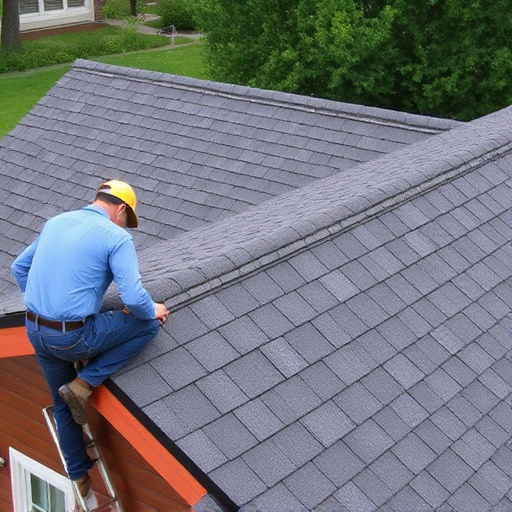
When considering a new roof or repairing an existing one, homeowners often wonder how roof warranties and homeowners insurance work together to protect their investment. Understanding roof warranties is essential, especially when deciding whether to fix or replace a roof, and what steps to take before signing any contract.
Homeowners insurance, on the other hand, is designed to protect against unforeseen events like severe weather, including monsoon leaks that could damage your roof. While insurance doesn't directly replace or repair your roof, it helps cover the costs of repairs or a new roof if damage occurs due to covered events. When filing a claim, keep detailed records and photographs of the damage for both the insurance company and the roofer. In the case of a significant storm, an elastomeric coating on your roof could prove invaluable, as it offers extra protection against leaks. However, not all insurance plans cover roof repairs or replacements, so understanding your policy's specifics is crucial.
The interaction between a roof warranty and homeowners insurance is vital for homeowners. A roofer with an Arizona ROC license can guide you through the process, ensuring you understand your coverage and the steps to take in case of damage. When considering a warranty, always read the fine print to avoid surprises later. Remember, while insurance provides a safety net for unexpected events, a roof warranty is a valuable investment in the longevity of your home's most critical component-the roof.
Homeowners Insurance: Coverage for Roof Repairs and Replacement
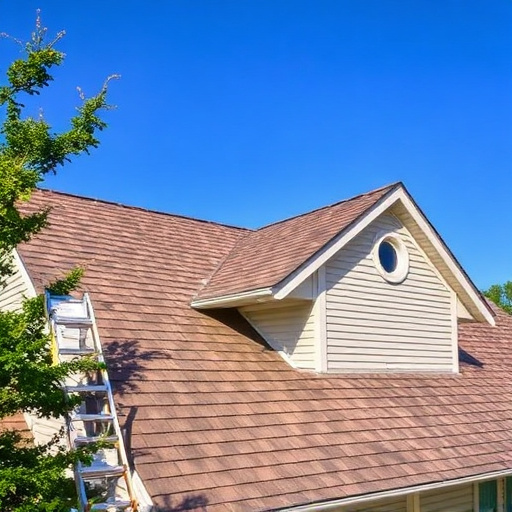
Homeowners insurance plays a crucial role in protecting your investment, but understanding how it interacts with your roof warranty is essential. In Oro Valley, a top-rated roof specialist can guide you through the intricacies of these two protective measures. When considering a new roof installation or repairs, especially in areas prone to monsoon storms like Rancho Vistoso, knowing your coverage is vital.
Let's break down the relationship between homeowners insurance and roof warranties. Homeowners insurance typically covers significant structural damage caused by events like severe storms, wind, or hail. If a storm damages your roof, your insurance policy may pay for repairs or even a full replacement. However, it's important to understand the distinction between coverage for new repairs versus replacing an entire roof. A policy might cover the cost of new flashing and shingles after a storm, but a complete roof replacement may be a separate process.
Before signing any contract, homeowners should thoroughly review their insurance policy and understand the terms. This is especially crucial when considering a warranty. When you register a roof warranty, whether it's a manufacturer's warranty or a workmanship warranty, you're essentially adding an extra layer of protection for your roof. Homeowners insurance generally covers the initial repair or replacement, but a comprehensive warranty ensures guaranteed repairs or replacements for the life of the roof. A lifetime warranty might cover repairs for a certain number of years after the initial insurance coverage period ends. When dealing with monsoon leak claims, having both insurance and a warranty in place can streamline the claims process and ensure timely repairs.
When working with a local roofing company, experienced Oro Valley roof specialists can help navigate these complexities. They can assist with warranty registration, ensuring you understand the coverage details, and even help you determine if a particular repair falls under insurance or warranty coverage. A specialist might advise you on when to file a claim with your insurance company versus when to initiate a warranty claim. By understanding these dynamics, homeowners can make informed decisions, ensuring their roof is protected both by their insurance and by a reliable warranty.
Warranty vs. Insurance: When and How They Work Together

For protecting your Oro Valley home's most valuable asset-the roof-understanding the interplay between warranties and insurance is crucial. Homeowners often wonder how these two safety nets work together, especially when considering a new roof installation or repairs. Let's examine this partnership, focusing on the key role each plays and when they complement each other most effectively.
Warranty vs. Insurance: Their Distinct Roles
First, let's clarify their differences. A roof warranty is a manufacturer's or contractor's promise to stand behind their work or materials for a specific period. Eagle Roofing tile systems often come with warranties varying from 20 to 50 years, depending on the product and installation. These warranties cover defects in materials or workmanship, ensuring repairs or replacements during the warranty period. On the other hand, homeowners insurance is a policy that provides financial protection against unforeseen events. It covers damages like wind, hail, or leaks, but not usually for normal wear and tear. When considering a new roof or repairs, it's essential to understand that warranties and insurance serve complementary but distinct purposes.
When They Work Together: Real-World Scenarios
A roofing contractor serving Oro Valley and Marana will typically recommend a combination of a manufacturer's warranty and homeowners insurance for comprehensive protection. Here's why: if a covered weather event, like a monsoon storm, causes damage to your roof, your homeowners insurance would typically cover the repair or replacement costs. However, the insurance policy may have deductibles and limitations. This is where a manufacturer's warranty steps in, ensuring that any issues not covered by insurance are addressed without additional out-of-pocket expenses. If a GAF roof system has a defect that falls outside the insurance's scope, the manufacturer's warranty could cover the necessary repairs. This collaborative approach ensures that both your home and your investment in a new or repaired roof are secure.
Warranty Questions Before Signing: Key Considerations
Before signing on the dotted line, homeowners should always ask about the warranty terms. Does the warranty cover labor costs for repairs? Are there any limitations on the type of damage covered? Understanding these details is crucial, especially for DIY repairs or maintenance. Some warranties may require regular maintenance to remain valid, so ensuring you're aware of these requirements is essential. Remember, a well-informed homeowner is better equipped to navigate the complexities of roof warranties and insurance, ensuring your home remains protected.
Resolving Warranty Claims: A Step-by-Step Guide for Homeowners

For protecting your Oro Valley home, understanding the interplay between your roof warranty and homeowners insurance is crucial. Resolving warranty claims can seem complex, but with a step-by-step approach, you can navigate this process effectively. Here's a practical guide to help you every step of the way.
Annual Inspection: The Cornerstone of Warranty Care
Before signing any warranty documents, ensure you understand the terms and conditions. One key aspect is scheduling annual inspections. These thorough examinations by a licensed roofer, like those from DC Roofing of Arizona, can prevent small issues from becoming costly repairs. By documenting the condition of your roof annually, you gather crucial evidence that may be needed if a claim arises. If a contractor denies a claim due to neglect, an inspection record showing previous issues can be invaluable.
Workmanship Warranty: Understanding the Difference
Homeowners insurance primarily covers the structure of your home and belongings inside, while a roof warranty focuses on the materials and installation. A workmanship warranty, offered by certain manufacturers like CertainTeed, covers defects in labor or materials due to poor installation. When considering a new roof, ask the contractor about their workmanship warranty duration and what's covered. This distinction is vital, as it complements your homeowners insurance, ensuring you're protected against both structural issues and installation errors.
The Claim Process: A Step-by-Step Guide
- Document the Issue: If you notice a problem, take photos and keep detailed records.
- Contact Your Insurer: Notify your homeowners insurance company first. They will assess the damage and determine if it's covered.
- Engage the Contractor: If the issue is within the warranty period, reach out to the original contractor for repair or replacement. If a shingle blows off due to wind damage, they should be responsible for fixing it under their workmanship warranty.
- Follow Up: Ensure all communications and agreements are in writing. Keep track of dates, repair estimates, and resolutions.
- Disputes: When to Seek Expertise: In case of disagreements with the contractor or insurer, consult with a roofing expert. They can provide a second opinion and assist in mediating the dispute, especially if the claim involves a prorated warranty or underlayment issues.
Frequently Asked Questions About an Explainer on How Roof Warranties and Homeowners Insurance Work Together
What is the purpose of a roof warranty?
A roof warranty serves as a safety net, ensuring homeowners are protected against unexpected repairs or replacements due to defects in materials or workmanship. It provides peace of mind, knowing that the cost of roof maintenance or repairs is covered, enhancing the overall value of the home.
How does homeowners insurance interact with a roof warranty?
Homeowners insurance and a roof warranty work hand in hand. While insurance provides coverage for damages caused by events like storms, leaks, or falling debris, a roof warranty covers defects arising from manufacturing or installation errors. Together, they offer comprehensive protection, ensuring homeowners are not left with the financial burden of unexpected repairs.
What does "comprehensive" coverage for roofs mean?
Comprehensive roof coverage means protection against a wide range of issues, from leaks and wind damage to structural failures and poor installation. It goes beyond standard coverage, offering peace of mind that all aspects of your roof are secured, allowing you to focus on enjoying your home.
Can a roof warranty cover the entire cost of repairs?
While roof warranties typically cover a significant portion of repair costs, the extent of coverage varies. Most warranties provide partial coverage, with homeowners typically responsible for a deductible and a percentage of the repair bill. It's crucial to read the fine print to understand the specific coverage details.
What happens if a homeowner files a claim under both insurance and warranty?
In such cases, the homeowner should first file a claim with their insurance provider. If the damage is covered under insurance, the claim will be settled accordingly. For issues not covered by insurance, but falling within the warranty, the homeowner can then contact the roofing contractor or manufacturer for repair or replacement.
How do I know if my roof is covered by a warranty?
Check your purchase documents, contract, or the original invoice from your roofing contractor. The warranty should be clearly stated, outlining the duration and coverage details. Keep these documents safe, as they serve as proof of warranty validity when filing a claim.
What should I do if I suspect a roof defect after the warranty period?
Even after the warranty expires, homeowners can still seek assistance. Some manufacturers offer extended warranty periods for an additional fee. If not, consult a reputable roofing contractor to assess the issue. They can help determine if the problem is covered by your homeowners insurance or if repair/replacement costs are your responsibility.
For protecting your Oro Valley home's roof, understanding the interplay between warranties and insurance is crucial. This article has demystified how these two safety nets work together, offering a clear view of their respective roles. Homeowners now know that a homeowner's insurance policy typically covers unexpected roof damage from storms, while a manufacturer's or contractor's warranty provides guaranteed repairs or replacements for specific issues over a set period.
The key takeaway is that these two protections are not mutually exclusive. Many warranty plans even include provisions for storm damage, filling in the gaps left by standard insurance policies. However, it's essential to read the fine print and understand what voids a warranty, such as neglect or improper maintenance. Before signing any contract, homeowners should ask crucial warranty questions, ensuring they understand coverage limits, exclusions, and the claims process.
By combining the right insurance coverage with a comprehensive roof warranty, Oro Valley homeowners can ensure their homes are protected against the unpredictable elements. This article has empowered them with the knowledge to make informed decisions, navigate warranty claims, and maintain the integrity of their roofs, reinforcing the value of expert guidance and thorough understanding of these essential protections.
Protecting Your Oro Valley Roof: Warranty and Insurance Collaboration
Homeowners insurance and roof warranties are crucial for Oro Valley residents. A licensed roofing contractor offers both, ensuring comprehensive protection. Before signing, ask about:
- Coverage duration and exclusions.
- Workmanship warranty distinctions from insurance.
- Annual inspection requirements for warranty validity.
In case of damage, follow these steps:
1. Document and photograph the issue.
2. Contact your insurer.
3. Notify the original contractor for warranty claims.
4. Keep detailed records of all communications and resolutions.
Consult a roofing expert for disputes or complex claims. Understanding these dynamics ensures your roof is secure.