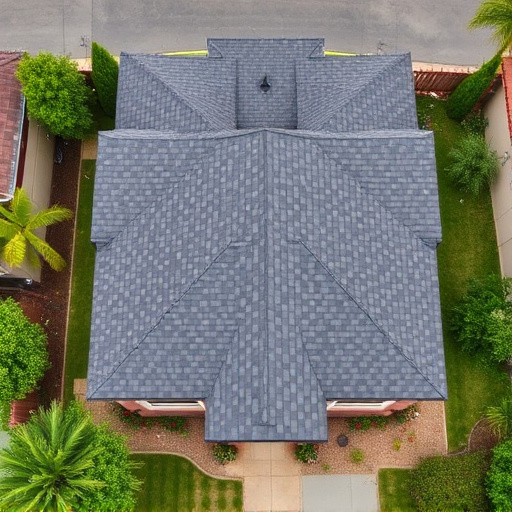
In Oro Valley, a leaky roof isn't just an annoyance-it's a serious problem that requires prompt attention. Homeowners invest in new roofs, often with the assurance of a manufacturer or workmanship warranty, only to find themselves navigating complex claims processes after monsoon storms or other weather events. Understanding how and when to file a warranty claim is crucial, especially with the variety of coverage options available from certified installer warranties. This article provides clear, practical advice on making a warranty claim after a leak, focusing on the steps to take, common pitfalls to avoid, and the importance of maintaining proper documentation. By the end, homeowners will be equipped to protect their investments and ensure guaranteed repairs.
- Understanding Your Warranty Coverage After a Leak
- Documenting and Preparing Your Warranty Claim
- Communicating with Your Certified Installer
- Resolving Disputes: Your Rights and Next Steps
Understanding Your Warranty Coverage After a Leak
When a leak occurs after a roof installation, understanding your warranty coverage is crucial. As a homeowner, you've invested in a new roof, and a certified installer warranty from a reputable manufacturer like Owens Corning can provide peace of mind. These warranties, designed to protect both the materials and the workmanship, are a critical component of your roof's long-term protection.
The first step in making a warranty claim is to review your specific warranty agreement. Each manufacturer and certified installer has its own terms and conditions, and understanding these is key. Look for details on covered damages, exclusions, and any requirements for documenting and submitting a claim. Some warranties might cover leaks due to defects in materials or installation, while others may require proof of maintenance or exclude damage from extreme weather events. A roofer with an Arizona ROC license can assist in deciphering these agreements and guiding you through the claims process.
If a leak is due to a covered issue, contact your installer or the manufacturer directly. They will guide you through the claim process, which may involve providing proof of purchase, installation, and the damage. In many cases, the manufacturer will send an inspector to assess the damage and verify the validity of your claim. Once approved, they will arrange for repairs or replacements according to the terms of your warranty. Remember, timely action is essential; most warranties have time limits for submitting claims and repairs. An Owens Corning warranty typically covers leaks for as long as the product remains in serviceable condition, but this can vary based on the specific warranty plan.
When dealing with insurance claims for roof leaks, it's important to know that your homeowner's insurance typically covers sudden and accidental damage, but they may not always fully compensate for the cost of repairs. A certified installer warranty can supplement your insurance coverage, ensuring you're protected against unexpected leaks that may occur due to defects or poor installation. Always consult with a professional to understand the distinction between what your insurance and warranty cover, and don't hesitate to ask questions to ensure you're receiving the protection you paid for.
Documenting and Preparing Your Warranty Claim

Documenting and preparing your warranty claim is a crucial step after discovering a leak. As a homeowner, you've invested in your Oro Valley home's protection with a roof that should endure the region's elements. However, unexpected issues can arise, and when they do, understanding the warranty process is essential. Your first step is to gather all relevant information and documentation, ensuring you have a solid case for a successful claim.
Start by examining your roof's installation. Certified installer warranties, like those offered by GAF, often include prorated coverage for materials and labor over time. Check the date of installation and review the warranty's terms. Is the leak covered under the manufacturer's warranty or the workmanship portion? Each has distinct implications. A manufacturer's warranty might cover specific materials for a set period, while workmanship coverage typically addresses issues arising from faulty installation or repair. Keep detailed records of all interactions with your roofer, including maintenance logs, repair schedules, and any communications regarding the leak.
Once you've confirmed the applicable warranty, prepare your claim. Begin by reaching out to the roofing contractor who installed your roof. An experienced Oro Valley roof specialist can guide you through the process and ensure all necessary paperwork is completed accurately. They may require photos of the leak, evidence of previous maintenance, and a description of the problem. Be prepared to discuss the history of the leak, any attempts at repair, and the timing of discovery. Following these steps will help streamline your warranty claim and increase the likelihood of a swift resolution.
Communicating with Your Certified Installer
When a monsoon leak occurs, effective communication with your certified installer is crucial for a successful warranty claim. Start by thoroughly documenting the damage, taking photos of the leak and any visible evidence of its origin. Next, contact your installer promptly, explaining the situation and providing detailed information about the affected area. A licensed Arizona roofer, especially one with expertise in your Oro Valley neighborhood, can guide you through this process, ensuring your claim is accurately assessed.
Your certified installer should then inspect the roof, focusing on the suspected source of the leak. They'll evaluate the condition of the shingles, underlayment, and any protective coatings, like recoating, that might be in place. During this inspection, they'll identify issues related to workmanship, material defects, or both, which are important factors in understanding your warranty coverage. If the leak is traced to an improperly installed flashing or a missing underlayment, these issues would fall under the installer's warranty responsibility.
Once the installer has determined the cause, they'll provide you with a detailed estimate for repairs, including labor costs. If the damage is extensive, they might suggest repairs beyond a simple fix, such as replacing missing or damaged shingles, re-fastening loose materials, or even recoating to ensure long-term protection. Understanding the scope of work and associated costs is vital before finalizing any agreement. Remember, a workmanship warranty, typically offered by certified installers, covers the quality of their work, while manufacturer warranties protect against material defects. Both are essential components of your overall roof protection strategy.
Resolving Disputes: Your Rights and Next Steps

When a leak occurs after a roofing installation, understanding your rights and the next steps is crucial. As a homeowner in Oro Valley, especially in areas like Rancho Vistoso, you've invested in a new roof, protected by a warranty from both the manufacturer and the certified installer. In the event of a leak, knowing how to navigate a potential dispute is key to ensuring repairs are made correctly and efficiently.
The first step is to review your written contract. This document outlines the terms of the warranty, including what's covered, exclusions, and the process for making a claim. Underlayment, a protective layer between your roof decking and shingles, is often a point of contention. If the underlayment fails, it can lead to leaks, and you should check if this is covered under your warranty. Many manufacturers and certified installers offer comprehensive warranties, but specifics vary, so understanding the coverage is essential.
If a leak appears, don't delay. Document the damage with photos and contact your roofing contractor. A local Oro Valley roofing company serving the community will assess the situation. If the leak is due to poor workmanship or a defect, your warranty may cover the repair or replacement. If the roofer failed to properly secure the underlayment, leading to water penetration, a claim could be justified. However, some warranties have specific exclusions, such as damage from extreme weather events like monsoon storms, which might require separate insurance coverage. Always consult the fine print, and don't hesitate to ask questions before signing any paperwork.
In the event a dispute arises, knowing your rights is crucial. You're entitled to a fair resolution, and a certified installer should uphold their end of the bargain as per the contract. If the installer refuses to honor the warranty, you can seek advice from consumer protection agencies or consult an attorney specializing in construction law. Many issues can be resolved without legal action, but understanding your options is vital. If a roofer closes their business, the warranty claim might need to be transferred to a new contractor, ensuring your investment is protected despite changes in the initial team.
Frequently Asked Questions About advice on making a warranty claim after a leak
What is the first step after discovering a leak?
After discovering a leak, the initial step is to stop the water source. Turn off the main water supply to your home if possible. Document the damage with photos and note the date, time, and circumstances of the leak. Contact your insurance provider to report the claim, and then reach out to the manufacturer or your roofing contractor for warranty assistance.
How do I know if my leak is covered by a warranty?
Warranty coverage varies by manufacturer and policy. Typically, leaks caused by defects in materials or workmanship are covered. Check your warranty documents or contact the manufacturer directly to understand the specific terms. Keep in mind that normal wear and tear, neglect, or damage from storms or natural disasters might not be covered.
What information do I need to file a warranty claim?
To file a claim, gather essential details including your policy number, policyholder information, a detailed description of the damage, and any supporting documents like insurance claims or repair estimates. Photos of the leak, the damaged area, and any affected items are also crucial. Contact the manufacturer or your roofing contractor for specific claim filing instructions.
Who should I contact regarding warranty claims?
Direct communication with the manufacturer or your licensed roofing contractor is recommended. They can guide you through the warranty process, assess the damage, and help file a claim. Some manufacturers have dedicated customer service teams for warranty-related inquiries. Keep records of all conversations and correspondence for your records.
What happens after I submit a warranty claim?
After submitting a claim, the manufacturer or contractor will review it. They may request additional information or inspect the damaged area. Once approved, they will provide a repair estimate and schedule the necessary repairs. Ensure that all repairs are performed by a licensed and insured contractor to maintain the integrity of the warranty.
Can I appeal a denied warranty claim?
If your claim is denied, review the warranty documents for appeal procedures. Each manufacturer has its own process, which may include providing additional evidence or documentation. Contact the manufacturer directly to understand your options and gather the necessary information to support your appeal.
How long does it typically take to resolve a warranty claim?
The resolution time varies depending on the complexity of the claim and the manufacturer's procedures. Simple claims may be resolved within a few days, while more complex cases could take a few weeks. Keep open lines of communication with the manufacturer or contractor to track the progress of your claim.
For dealing with a leak and making a warranty claim, understanding your coverage and documenting the damage are paramount. By thoroughly documenting the issue and communicating effectively with your certified installer, you can navigate the claims process with confidence. Remember, knowing your rights and the terms of your certified installer warranty is crucial-it provides protection for both new and repaired roofs.
While some disputes may arise, following established protocols ensures a smoother resolution. Keep detailed records, ask questions, and be prepared to discuss the specifics of your case. The ultimate goal is to ensure your roof is repaired or replaced under the terms of your warranty, offering peace of mind and safeguarding your investment. This practical approach, grounded in the insights from this article, empowers homeowners to advocate for their rights and maintain the integrity of their Oro Valley homes.
Summary:
When a leak occurs on your newly installed Oro Valley roof, understanding your certified installer warranties is crucial. Start by reviewing your warranty agreement for terms, exclusions, and documentation requirements. Contact your installer or manufacturer for claims guidance, providing proof of purchase, installation, and damage. Leaks due to defects or poor workmanship may be covered, with inspections and repairs arranged.
Document the leak's source, extent, and timeline. Keep records of all communications and interactions with your roofer. For extensive damage or disputes, consult consumer protection agencies or legal experts to ensure fair resolution based on your warranty rights.