In the Oro Valley community, a roof is more than just shelter; it's a protective barrier safeguarding your home from the elements. This is why understanding what voids a roof warranty is crucial for local homeowners. A roof warranty, whether from the manufacturer or the workman, is a significant investment, offering peace of mind and the promise of guaranteed repairs. However, many homeowners are unaware of the common pitfalls that can render these warranties null and void. This article examines the intricate details, providing a practical guide to help you maintain your Oro Valley roof's integrity and ensure you receive the protection you paid for. We'll explore the manufacturer vs workmanship warranty distinction and the various factors that could impact your coverage, empowering you to make informed decisions.
- Understanding Roof Warranty Types: Manufacturer vs Workmanship
- Common Causes of Workmanship Defects
- When Manufacturer Warranty Claims Fail
- Preventing Void: Best Practices for Consumers
Understanding Roof Warranty Types: Manufacturer vs Workmanship
Understanding Roof Warranty Types: Manufacturer vs Workmanship
For protecting your Oro Valley home's roof, knowing the difference between a manufacturer's warranty and a workmanship warranty is crucial. These two types of warranties serve distinct purposes and offer different levels of coverage. A manufacturer's warranty typically covers defects in materials, while a workmanship warranty focuses on errors in the installation or repair process. If you're experiencing monsoon leaks due to poor installation, a workmanship warranty would cover the cost of repairs, whereas a manufacturer's warranty might only replace the faulty shingles.
At DC Roofing of Arizona, we often encounter homeowners confused about what voids a roof warranty. One common misconception is that routine maintenance, such as recoating or cleaning, automatically invalidates the warranty. However, this is not always the case. Many warranties allow for regular upkeep as long as it's performed by a licensed professional. A manufacturer's warranty on a new roof might specify that annual inspections and minor repairs are covered as long as the roofer holds a valid Arizona ROC license. In contrast, workmanship warranties usually require that all maintenance and repairs be performed by the original contractor to remain valid.
Another important distinction involves the transferability of warranties. When you sell your Oro Valley home, certain manufacturer's warranties can be transferred to the new owner, providing continued protection. Workmanship warranties, however, are typically non-transferable. If a roofer closes down or changes their services, the warranty may become invalid, leaving you responsible for any future repairs. This is why it's essential to ensure that any contractor you hire carries both a manufacturer's warranty and a separate workmanship warranty, and that all agreements are in writing.
In the event of a roof leak, especially during the monsoon season, homeowners should follow specific steps to ensure proper warranty claims. First, inspect the damage and document it with photos. Then, contact your contractor or the manufacturer directly to report the issue. Be prepared to provide detailed information about the installation date, materials used, and any previous repairs. Remember, timely action is crucial. Delays in filing a claim could void your warranty, leaving you with the cost of repairs out of pocket. By understanding these warranty types and their implications, Oro Valley homeowners can make informed decisions to protect their investments.
Common Causes of Workmanship Defects

Many Oro Valley homeowners invest in a new roof, expecting long-term protection and peace of mind. However, a manufacturer vs workmanship warranty is only as good as the work performed and the care taken during installation. Unfortunately, roofing projects can be complex, and even the most experienced local roofers can make mistakes or oversights that void a roof warranty.
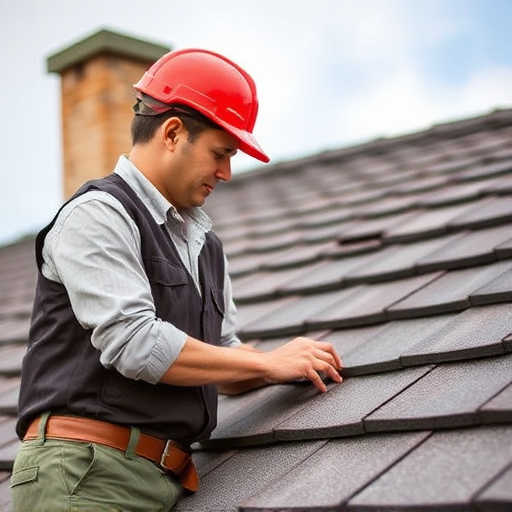
One of the most common causes of workmanship defects involves the underlayment-the layer of material beneath the shingles that provides added protection against moisture intrusion and temperature fluctuations. A licensed Arizona roofer must install underlayment correctly, adhering to manufacturer specifications. Inadequate underlayment installation, such as gaps or improper overlap, can lead to water penetration, causing damage to the roof decking and potential interior issues. Similarly, improper fastening of shingles or missing nails can compromise the structural integrity of the roof, leading to leaks and other costly problems.
To underlayment, factors like improper flashing around chimneys and vents, poor quality caulk, and faulty valve or pipe connections can create vulnerabilities in the roof system. A Rancho Vistoso homeowner might experience a monsoon leak due to a poorly sealed flash around a chimney, resulting in water damage and the need for costly repairs. Owens Corning, a leading roofing materials manufacturer, emphasizes the importance of meticulous craftsmanship and adherence to installation guidelines to ensure a durable, leak-resistant roof.
To protect your investment, it's crucial to work with a reputable roofing contractor who stands behind their work. Always review the warranty paperwork carefully, noting any exclusions or conditions that could void coverage. Regular maintenance, including inspection and repair of any issues, can also extend the life of your roof and help prevent warranty claims.
When Manufacturer Warranty Claims Fail

In the event of a dispute, understanding what can void a roof warranty, especially in the case of manufacturer warranties, is crucial for homeowners in Oro Valley and Marana. While a manufacturer's warranty is designed to offer protection against defects in materials and workmanship for a specified period, there are instances where these claims may not be honored. If a monsoon leak occurs within the warranty period and it's determined that the leak resulted from inadequate installation or maintenance-a situation where the manufacturer's warranty might not cover it-homeowners could find themselves without the expected protection.
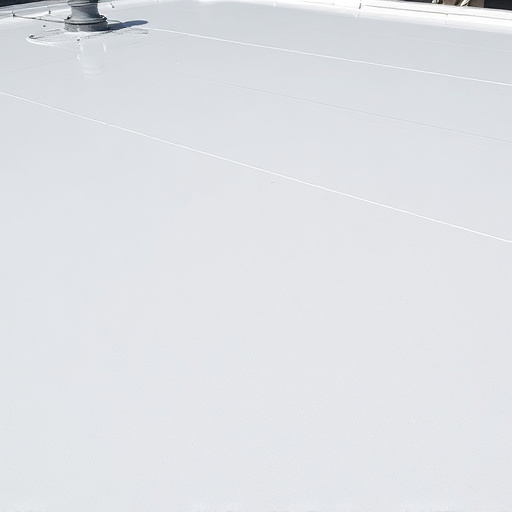
A key factor in warranty claims failure often lies in the distinction between manufacturer and workmanship warranties. While a manufacturer's warranty typically covers defects in the materials used and their performance, a workmanship warranty, which can be offered by a roofer as part of their service, covers issues arising from the installation or repair process. In the case of a roof with an elastomeric coating, for instance, if the recoating was not performed according to the manufacturer's guidelines by the initial installer, the warranty on the coating might be voided. This highlights the importance of engaging a reputable roofing contractor serving Oro Valley and Marana who understands the nuances of both types of warranties.
Regular maintenance matters in preserving warranty coverage. Neglecting routine care, such as cleaning gutters or inspecting for loose or damaged shingles, can lead to unforeseen issues that might void the warranty. A home with a shingled roof that isn't regularly maintained might experience significant damage from a storm, and if the initial installer didn't use adequate underlayment, the warranty on the shingles could be compromised. Homeowners should be proactive in their roof care, and if they're unsure about the details of their warranty, they should consult with their contractor to clarify coverage and maintenance expectations.
Preventing Void: Best Practices for Consumers

For protecting your home's investment, understanding what can void a roof warranty is crucial. A manufacturer vs workmanship warranty is a vital component of your roof's protection plan, ensuring that both the materials and the installation meet specific standards. However, it's important to recognize that certain actions or omissions can render this warranty invalid, leaving you responsible for repairs or replacements.
The best way to prevent a voided warranty is through proactive maintenance and careful consideration before signing any contracts. One of the most common causes of warranty voids is failure to perform annual inspections. Regular inspections are not just for peace of mind; they ensure that your roof remains in optimal condition, identifying potential issues early on. A licensed roofer with an Arizona ROC license can conduct these inspections, checking for loose or damaged shingles, flashing, and underlayment. By addressing these problems before they escalate, you protect your warranty and extend the life of your roof.
Another critical aspect to consider is the distinction between a manufacturer warranty and a workmanship warranty. While the former covers defects in materials, the latter guarantees the quality of the installation. Insurance claims for roof repairs or replacements often rely on these warranties. However, if the issue is determined to be due to poor workmanship rather than defective materials, the manufacturer's warranty may not apply, and you could be left paying for repairs out of pocket. To avoid this, ensure that all contractors you hire are reputable and have a proven track record. Always read the fine print of any warranty, paying close attention to exclusions and conditions. Some warranties may not cover repairs if the original installation was not performed by the manufacturer or a certified installer.
To summarize, preventing a voided roof warranty requires a combination of proactive maintenance, careful selection of contractors, and thorough understanding of warranty terms. By adhering to these practices, you can protect your investment and enjoy the full benefits of your manufacturer vs workmanship warranty, ensuring that your home's roof remains a reliable shield against the elements for years to come.
Frequently Asked Questions About an Explainer on What Can Void a Roof Warranty
What happens if I don't follow the manufacturer's guidelines for installation? Improper installation, including not following the manufacturer's guidelines, is one of the primary ways a roof warranty can be voided. This can lead to issues like incorrect flashing, poor sealing, or inadequate support, all of which can compromise the roof's integrity and speed up its deterioration. Regular maintenance and inspections can help prevent this.
Can regular maintenance void my roof warranty? While regular maintenance is crucial for a warranty to remain valid, it generally doesn't void the warranty outright. However, if maintenance is neglected and a problem arises due to this negligence, the warranty may not cover the repair. Regular cleaning, inspection, and minor repairs can help keep your roof in good shape and ensure the warranty remains active.
What types of damage are not covered by a roof warranty? Roof warranties typically do not cover damage from extreme weather events (like hail, wind, or flooding), normal wear and tear, or issues caused by the homeowner's negligence, such as not cleaning gutters or allowing trees to grow too close to the roof. These factors can all lead to voiding the warranty.
How important is hiring a licensed contractor for roof repairs or replacement? Hiring a licensed contractor is vital for maintaining a valid roof warranty. An unlicensed contractor may not follow the manufacturer's guidelines or use the proper materials, both of which can void the warranty. DC Roofing of Arizona, a licensed Oro Valley area roofing contractor, can ensure that your roof is repaired or replaced according to the manufacturer's specifications.
What happens if I try to install my own roof or repair it without proper training? DIY repairs or installations can void your roof warranty. Even if you follow guidelines, improper techniques or incorrect materials can lead to problems. Most warranties require professional installation to remain valid. Incorrect nailing patterns or using subpar shingles could cause leaks or structural damage, negating the warranty.
Can a roof warranty be transferred to a new homeowner? Roof warranties are usually non-transferable. They are designed to protect the original purchaser and the integrity of the roof installed by the contractor. When selling a home, it's best to check with your contractor about any remaining warranty coverage and notify the new homeowner accordingly.
For roofing warranties in Oro Valley, understanding the distinction between manufacturer and workmanship warranties is crucial. While manufacturer warranties typically cover the materials used in your roof, workmanship warranties are focused on the installation and repairs performed by local roofers. By recognizing common workmanship defects and taking proactive steps to maintain your warranty, you can prevent voids and ensure the protection of your investment. Regular inspection, prompt maintenance, and clear communication with your contractor are key to keeping your roof warranty valid, especially during monsoon seasons when leaks can occur.
In cases where manufacturer warranty claims are not accepted, it's important to understand the terms and conditions thoroughly. Some warranties may have limitations, such as prorated coverage for older roofs or specific requirements for warranty registration. By being informed and proactive, you can avoid disputes and effectively navigate warranty paperwork.
If you're considering a new roof or repairs, consult with top-rated local roofers who hold valid ROC licenses. They can guide you through the warranty process, ensuring you understand your rights and responsibilities. Remember, a well-maintained roof not only protects your home but also safeguards your warranty, providing peace of mind for years to come.
Understanding the difference between manufacturer and workmanship warranties is vital for Oro Valley homeowners. Manufacturer warranties cover material defects, while workmanship warranties focus on installation errors. Regular maintenance, performed by a licensed contractor, is crucial to preserve warranties. Common voiding causes include inadequate installation (underlayment, flashing, etc.), poor workmanship, and neglecting routine care. Homeowners should review warranties carefully, ensuring all maintenance is performed by the original contractor. Proactive maintenance and contractor diligence protect against warranty voids.