
In the competitive Oro Valley home improvement market, understanding and maintaining a roofing warranty can be a decisive factor for local homeowners. A builder roof warranty, especially, plays a crucial role in safeguarding investments and ensuring top-notch protection. However, many homeowners face a common dilemma: what does it take to keep that warranty valid? From the initial installation to ongoing maintenance, a simple oversight or missed step can void your coverage, leaving costly repairs on your plate. This guide aims to demystify the process, offering practical insights on how to maintain your warranty, avoid common pitfalls, and leverage the protection it provides.
- Understanding Builder Roof Warranties: Basics and Coverage
- Regular Maintenance: Key to Extending Warranty Lifespan
- Common Warranty Claim Scenarios: What to Expect
- Warranty Validation: Ensuring Legit Protection for Your Roof
Understanding Builder Roof Warranties: Basics and Coverage
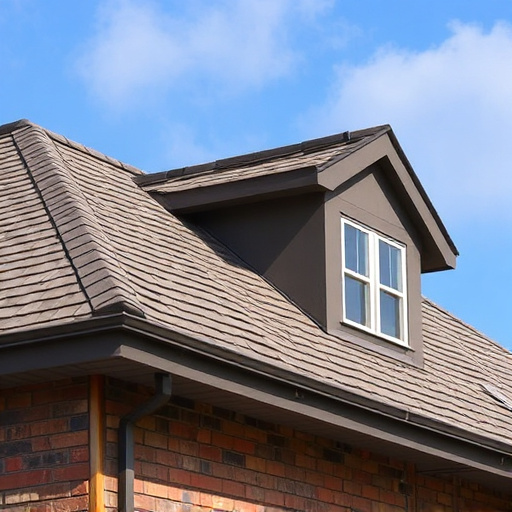
For protecting your Oro Valley home, understanding your builder roof warranty is crucial. These warranties, often included in new construction, offer a crucial safety net against unexpected repairs or replacements. Unlike a standard vs workmanship warranty, which focuses on the quality of installation, a builder roof warranty is designed to cover defects in materials and workmanship during the construction phase.
DC Roofing of Arizona, a licensed Oro Valley area roofing contractor, emphasizes the importance of reviewing your warranty documents carefully. Every builder roof warranty is unique, detailing specific coverage, exclusions, and timeframes. Common components include protection against leaks, wind damage, and specific types of material failure. Your warranty might cover repairs or replacements for damaged shingles due to strong winds or flashing issues that lead to leaks during monsoon season.
While these warranties provide peace of mind during the initial years of home ownership, it's essential to understand what triggers coverage and what might void it. Poor maintenance, for instance, could render your warranty ineffective. The Arizona Registrar of Contractors (ROC) license ensures that your roofing contractor follows industry best practices, but it's up to you to ensure regular inspections and address any issues promptly. By staying on top of cleaning gutters, inspecting for loose or missing shingles, and repairing flashing as needed, you can help extend the lifespan of your roof and keep your warranty valid.
Remember, when a roofing problem arises, understanding your builder roof warranty is the first step towards filing an insurance claim. The warranty will dictate which repairs are covered and who is responsible for their execution. Whether it's a DIY repair or a complex replacement, knowing your rights and responsibilities is key to ensuring your home remains protected under the terms of the warranty.
Regular Maintenance: Key to Extending Warranty Lifespan

Regular maintenance is a crucial aspect of extending the lifespan of a builder roof warranty in Sun City Oro Valley. A roofing contractor serving Oro Valley and Marana emphasizes that proactive care can prevent costly repairs and ensure your roof remains in top condition. This involves a series of steps designed to safeguard against common issues, such as flashing deterioration, which can lead to leaks during monsoon season. Regular inspections should include checking the integrity of all flashing around chimneys, vents, and roof valleys, where water intrusion is most likely to occur.
One key component of maintenance is ensuring proper ventilation. Well-ventilated attics help regulate roof temperatures, preventing extreme heat buildup that can shorten the lifespan of shingles. Owens Corning, a leading roofing materials manufacturer, recommends installing vents at the ridge and under the roof deck for optimal airflow. Keeping the underlayment clean and free from debris is essential. The underlayment, a protective layer between the shingles and the roof deck, acts as a secondary barrier against moisture and can be damaged by fallen leaves or other accumulations.
Regular cleaning and maintenance also involve inspecting the roof for any signs of damage, such as missing or curled shingles, which could indicate wind or hail damage. Early detection of these issues is crucial because many builder roof warranties, including those in Oro Valley, do not cover damage resulting from neglect. A prorated roof warranty may apply only to a certain percentage of the original cost after a certain number of years, with a portion of the cost attributed to labor. By staying on top of maintenance, homeowners can ensure they receive the full benefits of their warranty and avoid unexpected out-of-pocket expenses.
Common Warranty Claim Scenarios: What to Expect

For common warranty claim scenarios, especially with builder roof warranties, understanding what could void your coverage and what steps to take in case of damage is crucial. Let's break down some real-world examples and offer practical guidance.
A significant number of claims arise from issues related to improper installation, poor-quality materials, or lack of adequate underlayment. If a roofer fails to install a proper underlayment, it can lead to water damage and leaks, which are generally not covered under a standard builder roof warranty. Another common scenario is when homeowners don't maintain their roofs as required, such as not clearing debris from gutters, which can void your warranty. Prorated coverage is a fact of life; warranties typically decrease in value over time, so a claim after several years might only be partially covered.
In the event of a monsoon storm, like those common in our region, homeowners should be aware of specific claim processes. If your roof sustains damage, document it with photos and contact your insurance provider and the original builder or roofer. Keep detailed records of all communication and repairs, as these can be crucial for any subsequent claims or disputes. Notably, DC Roofing of Arizona, a licensed Oro Valley area roofing contractor, emphasizes the importance of timely maintenance and proper repairs to keep warranties valid.
When filing an insurance claim, it's important to know that some policies may not cover the full cost of a repair, especially for older roofs. This is where understanding your policy's terms and conditions, including deductibles and coverage limits, becomes vital. In cases where a roofer closes or goes out of business, having a comprehensive understanding of your warranty's fine print can protect your investment. Always review your builder roof warranty carefully, and don't hesitate to ask for clarification from the warranty association or a trusted roofing expert.
Warranty Validation: Ensuring Legit Protection for Your Roof
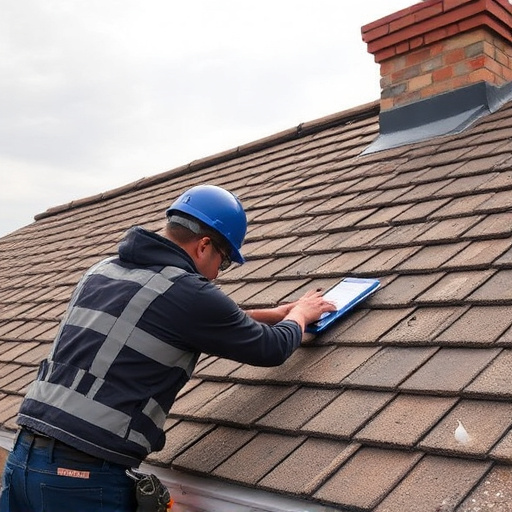
Validating your builder roof warranty in Oro Valley is crucial for ensuring long-term protection for your investment. A well-installed roof, backed by a comprehensive warranty, offers peace of mind against unexpected repairs. GAF, a leading roofing materials manufacturer, offers a range of warranties, including a strong workmanship warranty, to cover both new installations and repairs.
When assessing your roof's warranty, understand that these guarantees typically require specific maintenance practices to remain valid. This includes regular cleaning, inspection, and repair of issues before they become major problems. DC Roofing of Arizona, a licensed Oro Valley roofer, emphasizes the importance of checking for loose or damaged shingles, examining gutters for clogs, and ensuring the underlayment is secure. Failing to perform these routine checks could void your warranty, as many builder roof warranties only cover defects due to poor installation or material defects.
One common question arises when considering a new roof versus repairs: does a builder's warranty transfer to a new owner? Typically, it does not; warranties are designed to protect the initial homeowner. However, some manufacturers offer extended coverage for a fee, providing additional peace of mind for new residents. If a roofer goes out of business, it's essential to know that many warranties are transferable to a licensed, qualified replacement contractor, ensuring your protection even under these circumstances.
Regular communication with your roofing contractor is key to understanding your warranty's fine print. Always ask about coverage details, limitations, and required maintenance. Some warranties might require a specific type of underlayment or coating to remain valid. By staying informed and proactive, you can maximize the protection your builder roof warranty offers in Sun City Oro Valley.
Frequently Asked Questions About a Guide to the Maintenance a Warranty Usually Requires
What is a warranty on a roof repair or replacement? A warranty is a promise from a roofing contractor or manufacturer that guarantees the quality and longevity of the work or materials used in a roof repair or replacement. It provides homeowners with peace of mind, ensuring that any issues that arise within a certain period will be covered, often with free repairs or replacements.
How does regular maintenance impact a warranty? Regular maintenance, as outlined in the warranty guidelines, is crucial for extending the validity of your roof warranty. It involves inspections and minor repairs to prevent significant damage. By keeping your roof in good condition, you reduce the likelihood of claims being denied. Regular cleaning and inspection can prevent clogs and leaks, common reasons for warranty claims.
What documentation do I need to prove my warranty claim? When filing a warranty claim, homeowners typically need to provide proof of purchase, the original warranty document, and photos or videos documenting the issue. Some warranties may also require records of previous maintenance or repair work. It's essential to keep these documents in a safe place and to review the warranty terms to understand the specific requirements.
Can I do my own roof repairs to keep the warranty active? While DIY projects can be satisfying, it's generally not recommended to attempt roof repairs or maintenance if you want to keep your warranty valid. Most warranties require that all work is performed by a licensed and certified professional. Attempting to do it yourself could void your warranty, as manufacturers and contractors aim to ensure the work meets their standards.
What happens if I miss a required maintenance checkup? Missing a required maintenance checkup won't necessarily void your entire warranty, but it could impact your coverage. Many warranties stipulate that regular maintenance is a condition for warranty validity. If you've missed several checkups, you might be required to pay for any subsequent repairs out of pocket, depending on the terms of your specific warranty.
Who can I contact if I have warranty questions? Contact the roofing contractor who installed your roof or the manufacturer directly if you have warranty-related questions. They can provide specific information about your warranty's terms and conditions, as well as guidance on filing a claim. Always refer to the warranty document for detailed information, as policies can vary.
Understanding and maintaining your builder roof warranty is crucial for ensuring the longevity of your home's most vital protection. By prioritizing regular maintenance, you can significantly extend the lifespan of your warranty, safeguarding against costly repairs. Common scenarios, such as monsoon leaks, wind and hail damage, and necessary repairs, should be handled with care. Always validate your warranty's coverage and terms to avoid voids, especially when a roofer closes or during transfers. The article's insights empower homeowners to navigate warranty claims, understand the difference between manufacturer and workmanship warranties, and recognize the importance of registered, written warranties backed by a licensed contractor.
Next steps for Oro Valley homeowners:
1. Schedule regular roof inspections to identify potential issues early.
2. Familiarize yourself with your warranty's fine print, including any prorated coverage.
3. Keep detailed records of maintenance and repairs for future reference.
4. Consult with top-rated local roofers to ensure proper installation and ongoing protection.
Oro Valley Homeowners' Guide to Builder Roof Warranties
- Understanding the Basics: Builder roof warranties protect against defects in materials and workmanship during new construction, supplementing standard warranties.
- Warranty Unique to You: Each warranty varies; review documents carefully for specific coverage, exclusions, and timeframes.
- Common Coverage: Protects against leaks, wind damage, and material failures like flashing issues.
- Maintenance for Validity: Regular inspections and maintenance, including cleaning gutters, checking for loose shingles, and repairing flashing, extend the warranty lifespan.
- Proactive Care: Prevent costly repairs by addressing common issues early. Owens Corning recommends well-ventilated attics and clean underlayment.
- Claim Scenarios: Know what voids coverage (neglect, improper installation, poor materials) and take prompt action during monsoon storms, documenting damage and claims.
- Prorated Coverage: Understand that warranties decrease in value over time, with claims potentially covering only a portion of the cost.
- Transferability: New owners usually don't inherit warranties, but extended coverage is available for a fee. Warranties transfer to qualified replacement contractors if the original roofer goes out of business.
- Stay Informed: Regular communication with your roofing contractor ensures you understand your warranty's intricacies.