Roofing warranties are a critical investment for homeowners, offering peace of mind and protection against costly repairs. However, understanding what voids these warranties is essential to ensure their validity and maximize their benefits. This guide aims to demystify the process, focusing on the Oro Valley roofing landscape.
Many homeowners mistakenly believe that routine maintenance or minor repairs won't affect their warranty. Yet, the fine print often reveals strict guidelines. We'll examine the key factors that can render your roof warranty invalid, from improper installation to missing maintenance checks, and even the choice of materials. By understanding these voiding factors, homeowners can make informed decisions, ensuring their roofs are covered when it matters most.
- Understanding Lifetime Warranty Coverage
- Common Void Triggers: What to Avoid
- Reviewing Your Policy: Key Exclusions
- Protecting Your Investment: Best Practices
Understanding Lifetime Warranty Coverage

Understanding Lifetime Warranty Coverage
While many homeowners appreciate the peace of mind that comes with a lifetime roof warranty, it's crucial to understand the fine print. Unlike shorter, workmanlike warranties that cover specific materials and labor for a set number of years, a lifetime warranty promises to stand behind your roof for its entire useful life. However, this isn't always as straightforward as it seems. The terms and conditions can vary significantly between manufacturers and installers, and a licensed Oro Valley area roofing contractor can help decipher the key clauses.
One common pitfall involves the distinction between material and workmanship. A lifetime warranty on materials means that the manufacturer guarantees the integrity of the shingles or other roofing components for the duration of their useful life. However, the warranty on workmanship-the installation and repairs performed by the contractor-typically has a shorter lifespan, often 5 to 10 years. This is because the success of a roof depends equally on both the quality of the materials and the skill of the installer. An elastomeric coating might last a lifetime but only if the flashing is properly installed and maintained. Neglecting routine maintenance, such as cleaning gutters or inspecting for damage, can void both the material and workmanship warranties.
Another aspect to consider is the definition of "useful life." Manufacturers often specify expected lifespan under optimal conditions. Extreme weather, poor drainage, or subpar maintenance can shorten this lifespan. A wind and hail warranty might cover damage from high-speed winds or large hailstones, but only for a certain number of years. If your roof develops issues outside this period, it might not be covered, even if the materials are still in good condition. Reading the fine print carefully, especially regarding exclusions and limitations, is essential to avoid surprises down the line.
Understanding lifetime warranty coverage requires a balance between trusting the manufacturer's promise and being aware of potential loopholes. A licensed Oro Valley area roofing contractor can offer valuable guidance, ensuring you're protected for the long term while avoiding voids that could leave you with a costly repair bill.
Common Void Triggers: What to Avoid

Many homeowners invest in a new roof or repairs, expecting long-term protection. Unfortunately, a poorly executed job or a disregard for crucial details can void that warranty, leaving you with a costly repair bill. This is especially true with Oro Valley's unpredictable weather, including intense monsoons, requiring a robust roofing system. Let's explore some common pitfalls that can render your roof warranty null and void.
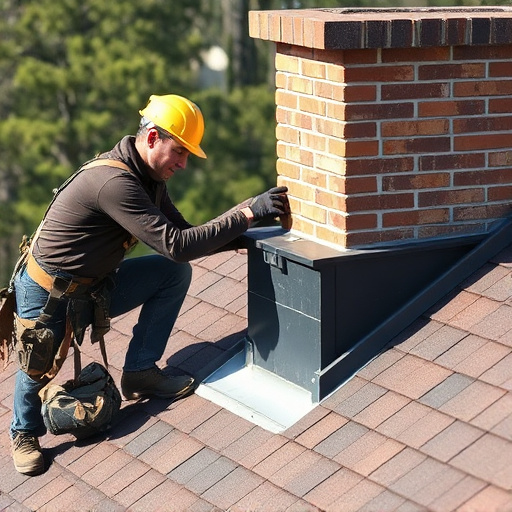
While the manufacturer's warranty is a significant component, it's the workmanship behind the installation that often determines the success of a claim. A roofer with an Arizona ROC license must adhere to strict industry standards for flashing, underlayment, and proper sealing to ensure water doesn't penetrate. Inadequate flashing around chimneys, vents, or corners, for instance, can lead to leaks, voiding the warranty. The same goes for subpar materials or installations that don't meet the manufacturer's specifications.
Imagine investing in a high-quality GAF roof only to find a weak spot that allows water to seep in during a storm. While a manufacturer's warranty might cover defects in materials, it often won't apply if the problem stems from incorrect installation or maintenance neglect. Regular inspections and timely repairs, as outlined in the warranty paperwork, are crucial. Neglecting to fix a missing shingle promptly or ignoring a minor leak can morph into a significant, warranty-voiding issue. Remember, the fine print is there for a reason-it outlines the responsibilities of both the homeowner and the contractor. Always understand your warranty coverage and what's expected of you to keep it valid.
Reviewing Your Policy: Key Exclusions

When reviewing your roof warranty, it's crucial to understand the fine print. Even the most comprehensive warranties have specific exclusions that can void your coverage. This is particularly true for lifetime warranties, which often come with intricate stipulations. Many manufacturer warranties do not cover issues arising from improper installation or maintenance, such as missing or damaged underlayment. Always ensure that any contractor you hire is licensed and has a clear understanding of these exclusions, like those held by a roofer with an Arizona ROC license.
One common pitfall is the lack of prompt registration. Some warranties require registration within a specific timeframe after installation. Failure to register on time can lead to disputes when filing a claim. DC Roofing of Arizona, a local Oro Valley roofing company, emphasizes the importance of this step, as it can make the claims process smoother and ensure you receive the full benefits of your warranty.
Another key exclusion involves pre-existing damage. Most warranties will not cover issues that were present before the installation. If your roof was damaged during a recent monsoon storm, it's unlikely a warranty will cover repairs unless the damage was directly caused by the installer's work. This is why it's vital to thoroughly inspect your roof before signing any contracts and to keep detailed records of any pre-installation issues.
Lastly, be aware of the difference between a new roof warranty and a repair warranty. A new roof warranty typically covers the cost of materials and labor for the duration specified in the contract, while a repair warranty only covers the cost of fixing specific issues. Understanding this distinction is crucial when making decisions about maintenance and repairs. By being informed and proactive about these exclusions, you can protect your investment and ensure your roof remains covered under your warranty.
Protecting Your Investment: Best Practices

Protecting Your Investment: Best Practices for Preserving Your Roof Warranty
When you invest in a new roof or a repair, securing a warranty is a crucial step to safeguard your financial commitment. However, it's essential to understand the terms and conditions to avoid voiding your coverage. This is especially true in Oro Valley, where a qualified Arizona Registrar of Contractors (ROC) license is mandatory for roofing work. A lifetime warranty, for instance, may seem like a silver bullet, but it's not without its fine print.
One of the most common ways warranties are voided is through inadequate or incorrect installation. Using subpar materials or not following manufacturer guidelines can lead to premature failures, rendering your warranty moot. Applying an elastomeric coating without the proper preparation can result in poor adhesion, compromising the entire system. This is why it's vital to work with experienced Oro Valley roof specialists who understand the nuances of various shingle systems and underlayments.
Regular maintenance also matters in keeping your warranty intact. Many warranties require annual or bi-annual inspections to identify and address potential issues early on. Neglecting these checks can lead to costly repairs out of pocket. In areas prone to severe weather, like Oro Valley during monsoon season, regular maintenance is even more critical. Promptly addressing leaks or damaged shingles can prevent widespread damage and ensure your warranty remains valid. A timely skylight or accessory repair can save you from a more extensive and expensive replacement.
Finally, be cautious when transferring or extending your warranty. Always review the terms and ensure the new warranty is from a reputable source. Some companies offer prorated warranties for older structures, which means you'll pay a reduced rate for limited coverage. Understanding these details is key to making an informed decision and protecting your investment.
Frequently Asked Questions About an Explainer on What Can Void a Roof Warranty
What does a roof warranty cover? A roof warranty typically covers defects in materials and workmanship for a specified period, usually 10-25 years. It protects against issues like leaks, wind damage, and material failure. However, the warranty does not cover normal wear and tear, lack of maintenance, or damage caused by extreme weather events like hailstorms or heavy snow.
How does poor installation impact the warranty? Improper installation is a significant voiding factor. This includes incorrect positioning of shingles, inadequate underlayment, or failure to seal flashing. If the roofer doesn't follow manufacturer guidelines and industry standards, the warranty is at risk of being invalidated.
Can regular maintenance void my roof warranty? While regular maintenance is essential for prolonging your roof's life, it generally doesn't void the warranty. However, if maintenance is done incorrectly, such as using the wrong type of caulk or not addressing underlying issues, it could potentially lead to future problems that might be considered voiding factors.
What is considered normal wear and tear? Normal wear and tear refers to the expected deterioration of your roof over time due to environmental factors. This includes minor cracks, curled shingles, and some loss of granulation. These are not covered by the warranty since they are part of the natural aging process.
How does damage from trees or power lines affect the warranty? Damage caused by trees, power lines, or other external factors like lightning strikes is generally not covered by the roof warranty. These are considered acts of nature, and the responsibility lies with the property owner to mitigate such risks through proper landscaping or storm protection measures.
Can a roofer's mistake void my warranty? Yes, if a roofer makes a mistake during installation that is not rectified, it can void the warranty. This includes poor workmanship, incorrect measurements, or using substandard materials. Always ensure your roofer is licensed and has a proven track record to minimize such risks.
What should I do if I suspect a warranty violation? If you suspect a warranty violation, document the issue with photos and detailed notes. Contact the original installer or the manufacturer for resolution. If the dispute persists, consult with a legal professional specializing in construction law for guidance on your rights.
Understanding what voids a roof warranty is crucial for any Oro Valley homeowner looking to protect their investment. By reviewing common void triggers and key exclusions, you can ensure your lifetime warranty coverage remains intact. The article has highlighted the importance of avoiding issues like improper installation, lack of regular maintenance, and inadequate protection from extreme weather. Always read the fine print of your warranty to understand what's covered and what isn't, especially for repairs, DIY work, and specific coverage like underlayment or wind and hail damage. Following best practices, such as hiring licensed and certified roofers with a valid ROC license, can help prevent voids and ensure guaranteed repairs. Remember, your roof is a significant component of your home's value, and a solid warranty, combined with expert care, can protect it for years to come.
Understanding and preserving your roof warranty in Oro Valley requires a nuanced approach. Key takeaways:
- Fine Print Matters: Lifetime warranties have specific clauses regarding material vs. Workmanship, "useful life," and exclusions.
- Workmanship and Installation: Improper installation, subpar materials, or non-compliance with manufacturer specs can void your warranty. A licensed Oro Valley roofer with an Arizona ROC license is crucial for quality work.
- Maintenance and Inspections: Regular inspections, prompt repairs, and timely maintenance, especially during extreme weather, are essential to avoid voids.
- Transfer and Extension Caution: Be wary of transferring or extending warranties; always review terms and ensure legitimacy.
- Proactive Protection: By understanding the fine print, choosing experienced contractors, and maintaining your roof, you can maximize your warranty benefits.