Roofing is a cornerstone of any home or business, and a reliable roof is crucial for protecting against the elements. For ensuring the longevity and protection of your roof, understanding the nuances of tile, foam, and shingle warranty terms is essential. Many homeowners and business owners struggle with navigating the complexities of these warranties, especially when a roofer closes or changes hands. This article provides a clear, comprehensive look at these warranty types, helping you make informed decisions and protect your investment. We'll explore what voids a warranty, how to transfer coverage, and the key differences between manufacturer and workmanship warranties, among other critical aspects.
- Understanding Basic Roof Warranty Types
- Deciphering Tile, Foam, and Shingle Coverage
- What Your Warranty Should Include (Beyond the Basics)
- Navigating Warranty Claims: Your Rights & Responsibilities
Understanding Basic Roof Warranty Types
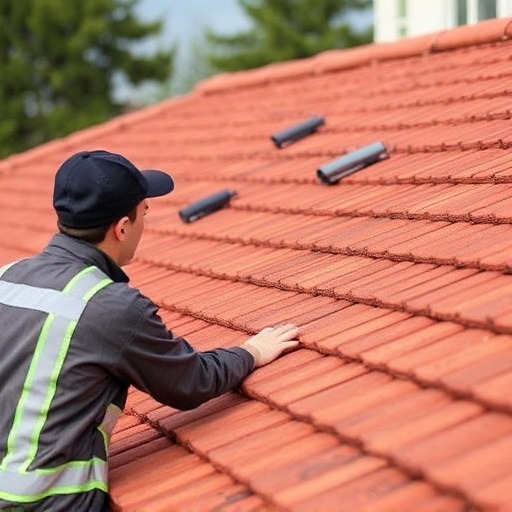
Roof warranties come in various types, each offering distinct protections, and understanding these is crucial when planning a roof replacement or repair. This section examines the fundamental types of warranties you might encounter when dealing with a local roofing contractor, such as those offered by experienced Oro Valley roof specialists, in the Oro Valley area.
One of the most common types is the workmanship warranty. This guarantees the skill and quality of the installation or repair work performed by the roofer. A licensed Oro Valley roofer might offer a 5-year workmanship warranty, ensuring that if any issues arise due to their work within that period, they will fix them at no additional cost. Keep in mind that these warranties typically cover only the labor; you might still be responsible for the cost of materials. In some cases, especially with complex roofs, a transferable warranty is offered, allowing you to pass on the warranty to a new homeowner if you sell your property. This can be a valuable asset when selling a home, providing peace of mind for both the buyer and seller.
Another type is the manufacturer's warranty, which protects against defects in materials. Many tile, foam, and shingle roofing materials come with a limited or lifetime manufacturer's warranty. Certain types of shingles might have a 25-year limited warranty covering defects in materials and workmanship. However, these warranties often require proper installation by a certified or trained contractor to remain valid. If a roofer closes down or changes their terms, the warranty may become invalid, so it's essential to ensure the contractor is reliable and has a proven track record.
When considering a new roof vs. Repair warranty, remember that a new roof typically comes with a longer warranty period, often 20-30 years, covering both materials and workmanship. Repairs, on the other hand, might have shorter warranties, such as 5-10 years, depending on the extent of the work. A simple roof leak repair might be covered by a 5-year warranty, while a more extensive roof replacement project would have a longer-term guarantee. Understanding these warranty types and their respective limitations is essential for effective home maintenance and to avoid costly disputes.
Deciphering Tile, Foam, and Shingle Coverage
For protecting your Oro Valley home's roof, understanding the nuances of tile, foam, and shingle coverage is crucial. Each type of roofing material comes with its own set of warranty terms and conditions, and knowing what these mean can help you make informed decisions and avoid unexpected costs.
Tile roofs, for instance, often come with warranties that cover both the tiles and the underlayment for a specified number of years, typically 50 to 60 years. These warranties typically include manufacturer defects and poor installation. In the case of a roofer closing down, it's essential to verify that the warranty is transferable to a new contractor. Owens Corning offers a limited lifetime warranty on their shingles, with different coverage periods for various product lines. This type of comprehensive coverage is a significant benefit for homeowners in our region, where monsoon seasons can bring intense weather conditions.
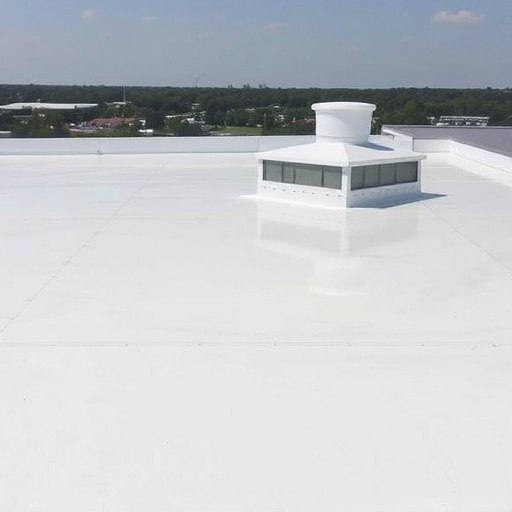
Foam roofing is another popular choice, known for its durability and energy efficiency. Foam coatings usually come with warranties that cover both the material and the labor for a certain number of years, often 20 to 30 years. The warranty length can vary based on the product's quality and the initial installation. Proper recoating and regular maintenance can help extend the lifespan of these warranties. A licensed Arizona roofer will often emphasize these maintenance requirements to keep the warranty valid.
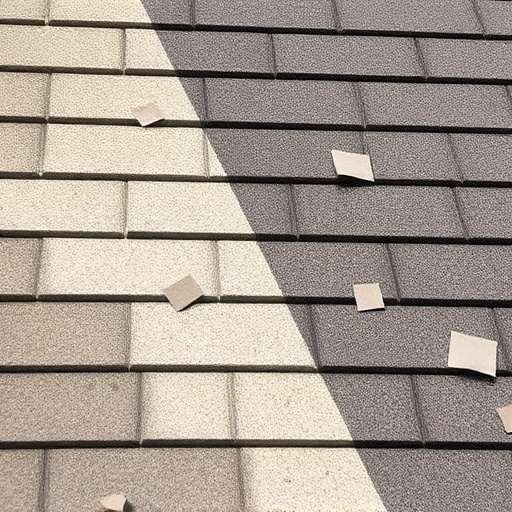
Shingle roofs, the most common type, also come with a variety of warranty options. Standard shingles typically offer a 25-year limited warranty that covers manufacturing defects. Higher-end shingles, such as those made by GAF or certain Tamko products, can offer warranties up to 50 years. Keep in mind that these warranties often have specific conditions, like proper installation, regular inspections, and adherence to local building codes. Understanding these warranty terms and ensuring they're in writing from your contractor is vital to knowing what's covered and what isn't in the event of a leak or other issues, especially during the stormier months of the year in Rancho Vistoso.
What Your Warranty Should Include (Beyond the Basics)

When considering a new roof or repairs in Oro Valley, beyond the standard warranties offered by manufacturers, it's crucial to understand the added protections a skilled local roofer like DC Roofing of Arizona can provide. A comprehensive roof warranty should go beyond basic coverage, addressing specific concerns relevant to our region, like monsoon season leaks and extreme weather events.
A top-rated roofer in Sun City Oro Valley or Rancho Vistoso should offer a warranty that includes detailed specifications for both tile and foam roofing materials, outlining the expected lifespan and conditions under which repairs or replacements are covered. Shingle system warranties should be evaluated for upgrades and repairs, ensuring you're not left vulnerable during Arizona's occasional wind and hail events. A skilled contractor with a valid ROC license will understand the nuances of local building codes and warranties, protecting your investment with thorough documentation and transparent communication.
Beyond basic coverage, a robust warranty should include provisions for underlayment protection, crucial for preventing water damage and mold growth during our humid summers. It should also address the often-overlooked issue of maintenance required to keep the warranty valid. Regular inspections and proper upkeep, like cleaning gutters and repairing missing or damaged shingles, are essential for maximizing the lifespan of your roof and ensuring against costly warranty disputes. Remember, when a roofer closes, a well-informed homeowner with a clear understanding of their warranty rights is better equipped to navigate any issues that may arise.
Navigating Warranty Claims: Your Rights & Responsibilities

Navigating Warranty Claims: Understanding Your Rights and Responsibilities
For protecting your investment, a roof warranty is crucial. Whether you've installed a tile roof, opted for foam coating, or chosen traditional shingles, understanding your warranty terms is essential. One common concern is what happens when a roofer closes their business-your warranty if a roofer closes can provide peace of mind, ensuring your investment is still protected. Let's examine the details of navigating warranty claims, focusing on transferable warranties, manufacturer guarantees, and how to handle monsoon leaks.
Transferable Warranties and Manufacturer Coverage:
Many roofing warranties are transferable, meaning if you sell your home, the warranty can be passed on to the new owner. This is a significant benefit, especially for tile roofs, known for their longevity. A licensed Oro Valley area roofing contractor can help you understand these terms. A manufacturer's warranty might cover the entire roof for 25 years, while a workmanship warranty from the installer could be valid for 5 years. When a roofer closes, ensuring the warranty is transferred properly becomes vital to avoid any gaps in protection.
Handling Monsoon Leaks and Other Claims:
Monsoon season in Oro Valley brings unique challenges, including potential leaks. If you encounter such issues, knowing your warranty is key. Most warranties cover repairs for leaks due to manufacturing defects. However, for minor leaks caused by improper installation, you might be responsible for the labor costs. It's essential to review the fine print for specifics. Some warranties may require annual maintenance to remain valid, ensuring your roof is protected against wind, hail, and other elements.
The Process of Filing a Claim:
When filing a warranty claim, follow these steps:
- Review your warranty documentation thoroughly.
- Document the issue with photos and descriptions.
- Contact the manufacturer or your original installer for assistance.
- Ensure all necessary paperwork is completed accurately.
- Keep detailed records of all communications and repairs.
Remember, understanding your warranty rights and responsibilities is crucial for a smooth roofing experience. By being proactive and informed, you can protect your Oro Valley home and its investment, even when dealing with changes in roofing contractors.
Frequently Asked Questions About a Plain Language Look at Tile, Foam and Shingle Roof Warranty Terms
What are the key differences between tile, foam, and shingle roofs in terms of warranties?
Roof warranties vary significantly based on the material. Tile roofs often come with a manufacturer's warranty covering materials for 25-50 years, but labor is typically covered for a shorter period, around 2-5 years. Foam roofs usually offer a longer warranty for the foam itself, often 30-50 years, but labor coverage is usually limited to 5-10 years. Shingle roofs typically have a manufacturer's warranty for 20-40 years on the shingles, with labor coverage usually included for 5-10 years. Remember, these are general ranges, and specific warranty terms can vary greatly between manufacturers and contractors.
How do I know if my roof's warranty is valid?
To verify your roof's warranty, first, check the manufacturer's label or documentation that came with your roof materials. It should list the warranty period and terms. Then, ensure your roofing contractor is licensed and bonded, as this guarantees they'll stand behind their work. For tiled or shingled roofs, confirm the contractor used underlayment and flashing as required by the manufacturer to maintain the warranty.
What does "workmanship warranty" mean, and is it important?
A workmanship warranty covers defects in the installation or repair of your roof, regardless of the material. It ensures that your contractor will fix or replace any faulty work for a certain period, usually 1-5 years. This is crucial as it protects you from costly repairs due to poor installation. While not as comprehensive as material warranties, a strong workmanship warranty is essential for long-term roof integrity.
Can I extend or transfer my roof warranty?
Warranty extensions are available from some manufacturers for an additional fee, typically covering the entire roof system for an extended period. Transferring warranties is more complex; it's usually only possible if you sell your home, and the new owner accepts the transferred warranty. Always check with your manufacturer or contractor for specific transfer policies, as they vary widely.
What does "limited lifetime warranty" mean, and should I trust it?
A limited lifetime warranty sounds appealing, but it's crucial to understand the fine print. Most such warranties cover materials only and often exclude labor. They usually last as long as the original owner occupies the property, and rights transfer to subsequent owners only rarely. Be wary of warranties with loopholes or vague terms; opt for clear, comprehensive warranties that include both materials and workmanship.
How do I file a warranty claim?
Filing a warranty claim involves contacting your roofing contractor or manufacturer directly. Provide your claim along with proof of purchase and installation, and follow their procedures. For tile or shingle roofs, take photos documenting the issue and keep records of all communications. Foam roofs may require specialized assessment, so ensure your contractor is familiar with these types of claims.
When selecting a roof warranty, understanding the fine print is crucial, especially when considering a new roof or repairs. This article has demystified common warranty terms, from manufacturer vs. Workmanship coverage to the duration of tile, foam, and shingle system warranties. We've highlighted what your warranty should encompass, from materials and labor to underlayment and even skylight accessories. We've clarified your rights and responsibilities when filing a claim, emphasizing the importance of documentation and timely action.
One critical aspect to remember is the warranty's fate if a roofer closes their business. The onus falls on you to ensure the warranty transfer process is seamless, protecting your investment in the long term. By understanding these terms and taking proactive steps, homeowners can confidently navigate the warranty landscape, ensuring their roofs are protected by reliable coverage. This practical knowledge equips you to make informed decisions and advocate for your interests, reinforcing the value of this authoritative guide.
Roof Warranty Navigations:
- Types: Understand workmanship, manufacturer, and transferability for tile, foam, and shingle roofs.
- Coverage: Warranties protect against defects, leaks, and installation issues.
- Transferability: Crucial for peace of mind when selling a home, ensuring warranty protection continues.
- Monsoon Preparedness: Know how to handle leaks during intense weather conditions.
- Claim Process: Review documentation, document issues, contact manufacturers/installers, maintain records.
- Responsibilities: Proactive understanding of terms, regular maintenance, ensure proper transfers.