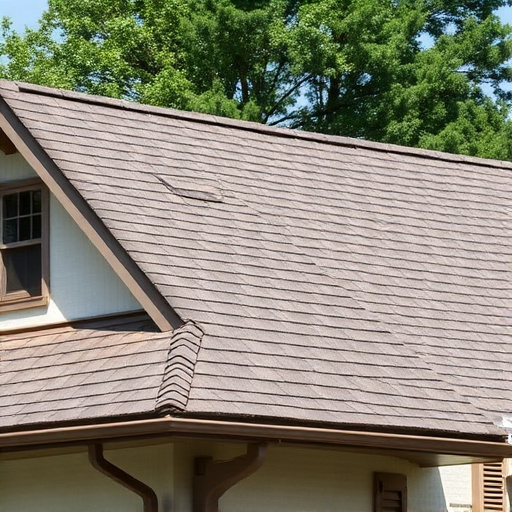
Roof leaks are a common concern for homeowners, often leading to costly repairs and, in some cases, roof warranty disputes. Understanding your warranty coverage is crucial when facing such an issue. This practical guide aims to navigate you through the process of making a warranty claim after a leak, ensuring you're equipped with the knowledge to protect your investment. We'll examine the key factors that determine warranty validity, common issues that void coverage, and the steps to initiate a claim, helping you resolve leaks effectively and minimize potential conflicts.
- Understanding Your Roof Warranty Coverage
- Documenting and Preparing Your Claim
- Navigating the Claims Process Effectively
- Resolving Roof Warranty Disputes: Your Rights
Understanding Your Roof Warranty Coverage

Understanding your roof warranty coverage is crucial, especially when dealing with a leak. This knowledge can help prevent common pitfalls that often lead to roof warranty disputes. The first step is to carefully review your warranty documents. A written contract, issued by your roofer or the manufacturer, should outline specific coverage details, including what constitutes a valid claim. Some warranties might cover only manufacturing defects, while others, often called 'workmanship warranties,' protect against issues arising from the installation or repair process.
In Oro Valley, Arizona, a licensed roofer must comply with the Arizona Registrar of Contractors (ROC) guidelines when offering warranty services. This includes providing clear, concise information about the warranty's scope, duration, and limitations. If your roof was installed or repaired by a contractor, ensure they've offered you a written warranty document. This document should specify the extent of their commitment to repairs or replacements and any exclusions.
When making a warranty claim for a leak, understand that certain factors may void your coverage. These can include acts of nature, like excessive rainfall during a monsoon, or poor maintenance on your part. If your underlayment was damaged due to lack of inspection before a storm, it might not be covered. However, if the leak resulted from a manufacturing defect in the shingles, your warranty would typically apply. Always keep detailed records of your maintenance activities and any communication with your roofer to support your claim.
In the event of a dispute, the warranty documents and clear communication with your roofer become even more critical. Document every interaction, including when you reported the leak, the roofer's response, and any proposed solutions. If the roofer refuses to honor the warranty, don't hesitate to seek advice from an expert or consult with your insurance company, especially if you have home warranty coverage. Remember, understanding your rights and the warranty terms can make a significant difference in resolving roof warranty disputes effectively.
Documenting and Preparing Your Claim

When dealing with a roof leak, especially during Arizona's monsoon season, understanding how to navigate a roof warranty dispute is crucial. Let's break down the process of documenting and preparing your claim for a leak in your Oro Valley home, ensuring you have all the necessary information and actions in order.
First, warranty registration matters in any claim. If you haven't already, verify that your roof's warranty is registered with the manufacturer or the appropriate authority. For Sun City Oro Valley residents, this might involve contacting the local roofing company that installed your system or the roofer with an Arizona ROC license who handled the work. They can guide you through the registration process, which typically requires providing proof of purchase, installation details, and sometimes even digital photos of the work. This step is critical as it establishes your ownership and coverage under the warranty.
Documenting your claim is another key aspect. Keep detailed records of all communication related to the leak, including dates, names, and a summary of conversations. Take photos of the affected area and the entire roof, ensuring you capture any visible signs of damage. Also, gather all relevant documents, such as maintenance records, previous repair invoices, and any correspondence with the manufacturer or your roofing contractor. If the leak occurred due to a missing underlayment, provide proof of previous inspections or repairs that should have addressed this issue.
Before submitting your claim, thoroughly review your warranty for specific exclusions and conditions. Many warranties differentiate between new roof installations and repairs, and certain events like neglect or improper maintenance may void them. A monsoon leak caused by a missing tile might be covered if the system is still under warranty, but a leak due to a missing gutter could be the homeowner's responsibility. Understanding these nuances is essential to successfully navigating a roof warranty dispute.
Remember, the goal is to present a comprehensive, well-documented case to support your claim. By following these steps and keeping thorough records, you'll be better equipped to resolve any roof warranty disputes that may arise from a leak in your Oro Valley home.
Navigating the Claims Process Effectively

Navigating the Claims Process Effectively
After a leak, understanding your roof warranty and the claims process is crucial. This involves a clear understanding of what is covered, what voids your warranty, and how to file a claim without falling into common pitfalls. Some warranties may include prorated coverage for older systems, while others might require immediate repair to prevent further damage. A local roofing company serving Oro Valley can provide detailed information on these aspects, but it's important to be prepared before engaging their services.
When dealing with roof warranty disputes, start by reviewing the warranty's fine print. Owens Corning and Eagle Roofing, both tile manufacturers, typically have specific guidelines for claims, including the need for proper maintenance and timely repairs. If a leak occurs, document the damage, gather receipts for previous maintenance, and contact your roofer directly. They should guide you through the process, including filling out necessary paperwork and coordinating with the warranty provider.
The claims process often involves several steps. First, you'll need to report the leak to your roofer, who will assess the damage and determine if it's covered under your warranty. If the leak is due to poor workmanship or missing underlayment, which are common causes, the warranty may be voided. However, many warranties also cover leaks from wind and hail damage, which can be more complex to prove. Your roofer can help you navigate these complexities. After the assessment, the roofer will file a claim on your behalf, ensuring all necessary documentation is included.
Remember, proactive communication with your roofer and understanding your warranty are key to a smooth claims process. By being prepared and following these steps, you can effectively manage roof warranty disputes and ensure your Oro Valley home is protected.
Resolving Roof Warranty Disputes: Your Rights

When a leak occurs, understanding your rights regarding roof warranty disputes is crucial. As a homeowner, you're protected by the terms of your roofing warranty, which should cover repairs or replacements resulting from defects or poor workmanship. The first step is to review your warranty documents carefully, noting the exclusions and limitations. Some warranties might not cover damage caused by extreme weather events like monsoon storms, which are common in our area. Eagle Roofing tile installations, known for their durability, may still have specific warranty conditions.
If the leak is due to a covered issue, such as faulty underlayment, contact your roofer with an Arizona ROC license or the warranty provider directly. Document the problem with photos and detailed notes, including the date and symptoms. Be sure to keep records of all communication and repairs, as these can be vital in resolving roof warranty disputes. When reaching out, be clear and specific about the issue and your expectations. You might say, "I believe the underlayment installed during my 2020 roof replacement has failed, causing a leak in my living room. According to my warranty, what steps should we take to rectify this?"
In the case of a valid claim, the roofer or warranty representative should respond promptly. They might arrange for an inspection, during which a professional will assess the damage and determine the cause. If the leak is indeed covered, repairs should be made according to the terms of your warranty. However, if the dispute is complex or the roofer disagrees with the claim, it may escalate. In such cases, knowing your rights and understanding the fine print of your warranty is essential. Some warranties require that all maintenance and inspections be performed by the original installer or an authorized contractor.
Frequently Asked Questions About advice on making a warranty claim after a leak
What is a warranty claim for a roof leak? A warranty claim is a formal process where a homeowner or property manager requests compensation or repair work from a roofing contractor based on the terms of their roof's warranty. This typically covers defects in materials or workmanship for a set period after installation or repair.
How soon after a leak should I file a claim? It's best to contact your roofing contractor or the manufacturer as soon as possible after discovering a leak. Many warranties require prompt notification, often within 30 days of the incident. Early action can ensure you meet the warranty's conditions and increase the chances of a swift resolution.
Do all roofs have warranties? What should I check? Warranties vary, but most new roofs come with a manufacturer's warranty covering materials and labor for a specific period, usually 10-25 years. Review your contract or check with the contractor to confirm the warranty's scope and limitations. Look for terms like "material defects," "workmanship," and "time period" to understand what's covered.
What information do I need to file a warranty claim? Gather essential details, including your name, property address, warranty information, and a detailed description of the leak and damage. Take photos of the leak, the damaged area, and any evidence of water intrusion. Keep records of all communication and documentation related to the claim process.
Who should I contact for a warranty claim? How do I reach them? Contact the manufacturer directly, as they often handle warranty claims. Many have dedicated customer service lines or online claim portals. Alternatively, reach out to your roofing contractor, who should be familiar with the warranty process and guide you through the necessary steps.
After thoroughly understanding your roof warranty coverage, meticulously documenting your claim, and navigating the claims process effectively, you're well-equipped to resolve any roof warranty disputes that may arise. Remember, the onus is on the roofing contractor to prove that the leak wasn't caused by their workmanship or materials, as these are typically covered under a warranty. Keep detailed records of all communications and work performed, as these documents can be crucial in supporting your claim. If a resolution can't be reached, know that you have rights to pursue legal action or consult with a consumer protection agency. By staying informed and proactive, you can ensure that your roof warranty provides the protection it promises, keeping your home dry and secure for years to come.
Roof Warranty Disputes: A Practical guide for Oro Valley Homeowners
- Understand Your Warranty: Carefully review the contract for specific coverage, exclusions, and duration. Local regulations, like Arizona ROC guidelines, also apply.
- Document Everything: Keep detailed records of communication, maintenance, and any interactions related to the leak. Photos and documents are crucial for support.
- Know Coverage Limits: Understand what's covered (e.g., manufacturing defects, workmanship) and what voids your warranty (e.g., acts of nature, neglect, improper maintenance).
- Proactive Communication: Contact your roofer or warranty provider directly to report leaks. Be specific about the issue and your expectations.
- Navigate Complex Disputes: For disputes, refer to the warranty fine print and seek expert advice if needed. Maintain thorough documentation throughout.
- Act Promptly: Prompt reporting and repair can prevent escalation of disputes. Ensure all maintenance and inspections are performed by authorized contractors as per warranty terms.