
Roofing warranties are a critical component of home protection in Oro Valley, ensuring peace of mind and safeguarding a significant investment. Understanding the difference between manufacturer and workmanship warranties is essential for homeowners, as these guarantees can significantly impact the way repairs or replacements are handled. This guide aims to demystify these warranties and provide clarity on a key decision point: when and how to transfer a roof warranty. By the end, you'll grasp the unique roles of each warranty type and be equipped to make informed choices, ensuring your roof is protected for years to come.
- Understanding Your Roof Warranty Options
- Manufacturer vs. Workmanship Coverage
- Transferring Your Warranty: A Natural Process
- Maximizing Post-Warranty Roof Care
Understanding Your Roof Warranty Options

For protecting your Oro Valley home's roof, understanding the differences between manufacturer and workmanship warranties is crucial. These warranties play a vital role in ensuring the longevity and reliability of your roof, and knowing how they work can help you make informed decisions. Let's examine what these warranties entail and how they can be transferred, focusing on practical aspects relevant to local homeowners.
In Oro Valley, homeowners often rely on both manufacturer and workmanship warranties to safeguard their investments. The manufacturer's warranty typically covers the performance and material quality of the shingles or roofing system. Eagle Roofing tile warranties guarantee the integrity of their products for a specified period. This type of warranty is factory-backed and ensures that any defects in the shingles themselves will be remedied. On the other hand, a workmanship warranty, also known as a labor warranty, focuses on the installation and repair work done by the roofer. It covers issues arising from faulty installation, poor workmanship, or damage during the installation process. A licensed Arizona roofer, like those in your community, can provide both types of protection.
When considering a new roof or repairs, homeowners should be aware of the distinction between these warranties and their respective durations. Manufacturers usually offer a limited lifetime warranty, while workmanship warranties can vary from one to three years, depending on the contractor's policy. Some warranties, especially those from larger manufacturers, may include provisions for transferring the warranty to a new homeowner upon sale of the property. This is beneficial for Oro Valley HOAs and homeowners associations, ensuring ongoing protection for the structure. Recoating or replacing a roof can also impact warranty coverage. A new coating might void a manufacturer's warranty but extend the life of the existing shingles under the workmanship guarantee.
To maximize the benefits of your roof warranty, keep thorough records. Store all warranty documents, contracts, and receipts in a safe place. This becomes particularly important when transferring a roof warranty, as it may require proof of installation and valid coverage. Regular maintenance also plays a role in keeping your warranty valid. Simple steps like checking for loose or missing shingles and ensuring proper drainage can prevent valid claims from being denied. Remember, a well-maintained roof is more than half the battle for warranty claims, especially for wind and hail damage, a common concern in Oro Valley.
Manufacturer vs. Workmanship Coverage

For protecting your Oro Valley home's roof, understanding the distinction between manufacturer and workmanship warranties is crucial. While both types of warranties are essential for ensuring the longevity of your roof, they serve different purposes and offer distinct levels of coverage.
The manufacturer's warranty typically covers the materials used in the roofing system. This means if a problem arises due to a defect in the shingles, underlayment, or other materials, the manufacturer is responsible for their replacement or repair. These warranties often come with a limited lifetime, meaning the manufacturer guarantees the materials for a set period. However, they usually exclude issues related to improper installation, maintenance neglect, or damage from extreme weather events. A manufacturer's warranty might cover a leak caused by a manufacturing defect in your shingles but not a leak resulting from a missing or damaged flashing during a monsoon storm.
In contrast, workmanship warranties are issued by the licensed Arizona roofer who installs your roof. They guarantee the skilled labor and craftsmanship involved in the installation process. A workmanship warranty covers repairs or replacements needed due to errors or omissions by the roofing contractor. If the roofer fails to properly seal a flashing joint, leading to water intrusion, the workmanship warranty would cover the cost of repairing or replacing the affected area. These warranties usually have a shorter duration than manufacturer warranties, often ranging from 1-5 years, but they may include annual inspections to ensure the roof's ongoing integrity. An experienced Oro Valley roof specialist may even offer an extended workmanship warranty for an additional fee, demonstrating their confidence in their team's abilities.
When transferring a roof warranty, it's essential to understand the terms and conditions. Some warranties are transferrable to new homeowners, while others are not. Always review the warranty documents to ensure you understand your rights as a homeowner. Regular maintenance, including annual inspections, especially in our climate, can help void claims related to neglect. An elastomeric coating, when applied annually, can extend the life of your roof and protect against UV damage, making it easier to honor the warranty. Remember, proper care and regular checks can significantly impact the effectiveness of both manufacturer and workmanship warranties.
Transferring Your Warranty: A Natural Process

When you purchase a new roof, understanding the transferability of your warranty is crucial, especially in a vibrant community like Sun City Oro Valley. Transferring a roof warranty is a natural process that ensures your protection continues even after the initial installation. This is particularly important because your roof is a significant investment, and peace of mind is paramount.
The first step in transferring your warranty is proper warranty registration. Many manufacturers require this step to be completed within a specific timeframe after installation. A licensed Arizona roofer, like DC Roofing of Arizona, can guide you through this process, ensuring all necessary paperwork is in order. Once registered, your warranty becomes transferable, allowing you to pass it on to future homeowners or renters if you sell your property. This is a significant advantage, especially if your roof is expected to last for many years to come.
A workmanship warranty, distinct from a manufacturer's warranty, also matters in the transfer process. While manufacturer warranties typically cover the materials used, workmanship warranties focus on the installation and repair work. These warranties are often transferable as well, ensuring continuous protection. If a problem arises due to poor workmanship years after the initial installation, a transferable workmanship warranty can cover the repairs. This provides added security, especially during unpredictable weather events like monsoons, which can cause leaks and other issues in Oro Valley.
Remember, each warranty has its own terms and conditions, so it's essential to understand what is covered and what isn't. Keep detailed records of all warranty documents and maintain regular communication with your roofing contractor. This proactive approach will ensure a smooth transfer process and provide you with the peace of mind that your roof is protected, even after you've moved on to a new home.
Maximizing Post-Warranty Roof Care
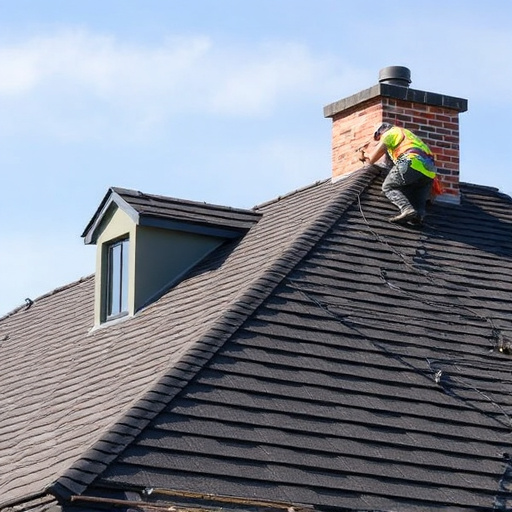
For protecting your Oro Valley home, understanding the distinction between manufacturer and workmanship warranties is crucial for ensuring your roof remains in top condition long after the initial installation. After all, a post-warranty roof care plan can significantly extend the life of your roofing system. Let's examine what this means for you as a homeowner and how you can maximize your warranty benefits.
Transferring a Roof Warranty: One of the key aspects of a manufacturer's warranty is the transferability of the guarantee upon sale of your property. This means that if you sell your home, the new owner automatically gains the benefit of the remaining warranty period, ensuring they're protected from unexpected roofing costs. Conversely, workmanship warranties, typically issued by the installer or roofer, are not always transferable. When considering a sale, it's essential to review the specific terms of your workmanship warranty to understand how it will impact your property's value and your potential out-of-pocket expenses.
An experienced Oro Valley roof specialist recommends integrating an annual inspection into your post-warranty routine. Regular inspections can identify potential issues before they become costly repairs. A professional can inspect for loose or damaged shingles, flashing issues, or signs of moisture intrusion, all of which are common problems that could void your warranty if left unaddressed. By staying proactive, you can extend the life of your warranty and prevent unexpected claims.
Many manufacturers offer extended warranty programs for a fee, providing extra coverage beyond the standard period. These programs often include annual inspections as part of the service, ensuring that your roof remains in top-notch condition. Remember, the fine print is crucial here; carefully review the terms and conditions to understand what's covered and what's not. Some warranties might not cover damage from extreme weather events or neglect, so understanding these exclusions is vital to avoid voiding your warranty.
Frequently Asked Questions About a Guide for Oro Valley Homeowners on the Difference Between Manufacturer and Workmanship Roof Warranties
What is the main difference between a manufacturer's warranty and a workmanship warranty on a new roof?
While both protect your investment, they focus on different aspects. A manufacturer's warranty covers defects in materials and workmanship originating from the roofing manufacturer. This means if a problem arises due to a flaw in the shingles or underlayment, the manufacturer is responsible for repairs or replacement. In contrast, a workmanship warranty covers errors or mistakes made during the actual installation process by the roofing contractor. It protects against issues like poor flashing, improper nailing, or incorrect material placement.
Which type of warranty should I prioritize as a homeowner?
Both types are crucial, but for different reasons. Focus on getting a strong manufacturer's warranty for the shingles, as it provides broader coverage against material defects. For workmanship, opt for a reputable contractor offering a detailed, multi-year warranty. This ensures peace of mind knowing your roof was installed correctly, minimizing the risk of costly repairs down the line.
How long do these warranties typically last?
Warranty durations vary. A typical manufacturer's warranty covers 25-50 years for shingles, with shorter periods for other components. Workmanship warranties usually range from 10-25 years, depending on the contractor and the complexity of your roof. Always review the specific terms and conditions to understand what's covered and for how long.
What happens if I want to replace my roof before the warranty expires?
Most warranties allow for replacement within their term, subject to certain conditions. Contact your manufacturer or contractor to understand the process. You might need to provide proof of purchase and maintain proper maintenance records. Some warranties may also require inspection before replacing your roof to ensure the previous work wasn't the cause of the issue.
Can I transfer a workmanship warranty to a new homeowner?
Many workmanship warranties are non-transferable. They're designed to protect the initial homeowner who had the work performed. When selling your home, ensure the buyer understands the existing warranty coverage and its limitations. It's best to check with your contractor or refer to the warranty documents for specific transferability rules.
What should I do if I have a claim under either warranty?
First, review the warranty terms to understand the claim process. Contact the manufacturer or contractor directly, providing detailed information about the issue. They'll guide you through the necessary steps, which may involve submitting photos, filling out forms, or scheduling an inspection. Keep records of all communications and documentation for your records.
For Oro Valley homeowners, understanding the distinction between manufacturer and workmanship roof warranties is crucial for informed decision-making. This article has illuminated the unique roles and protections each offers, emphasizing that manufacturer warranties typically cover the materials, while workmanship warranties focus on the installation and repairs. Transferring a roof warranty is a natural process, allowing owners to extend protection even after the initial period, ensuring their homes remain safeguarded.
By maximizing post-warranty roof care, homeowners can extend the lifespan of their roofs and avoid costly repairs. Regular maintenance, such as cleaning gutters and inspecting for damage, is key to preserving the warranty. Knowing what voids a warranty, like poor maintenance or DIY repairs, empowers homeowners to make choices that protect their investment.
This guide equips Oro Valley residents with the knowledge to navigate roof warranty complexities, enabling them to make informed choices and ensure their homes are protected under the right coverage.
Understanding Oro Valley Roof Warranties:
- Manufacturer vs. Workmanship:
- Manufacturer: Covers material quality, typically limited lifetime, excludes installation issues.
- Workmanship: Covers skilled labor, installation errors, 1-3 years duration.
- Transferring Warranties:
- Manufacturer: Usually transferable to new homeowners.
- Workmanship: Transferability varies, check terms.
- Post-Warranty Care:
- Regular inspections prevent voided claims.
- Extended warranties available for added coverage.
- Understand exclusions to avoid unexpected voiding.