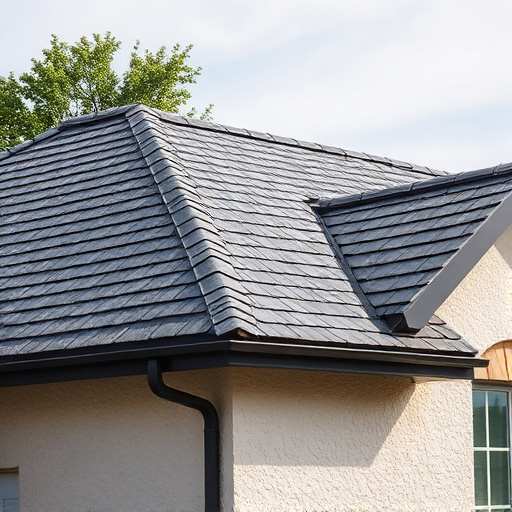
When selling a home, the roof is a critical component that can make or break a sale. A sound roofing system protects your property and enhances its value, making a strong first impression on potential buyers. However, the process of transferring a roof warranty can be complex, especially with the numerous options available. This article provides valuable insights for homeowners and real estate agents, offering clear guidance on navigating the warranty transfer process. We'll explore the differences between manufacturer and workmanship warranties, the importance of a licensed roofer with an ROC license for warranty protection, and best practices for maintaining coverage during a sale. By the end, you'll be equipped to ensure a smooth transition, safeguarding your investment and enhancing the buyer's experience.
- Understanding ROC License Requirements for Transfer
- Property Buyer's Rights: Warranty Protection
- Steps to Legitimately Transfer Roof Warranty
- Common Pitfalls to Avoid During Warranty Transfer
Understanding ROC License Requirements for Transfer

When selling a home, transferring a roof warranty is a crucial step to ensure ongoing protection for both the new owner and the reputation of the original contractor. A licensed Oro Valley area roofing contractor can play a vital role in this process, guiding clients through the complexities of warranty transfer, especially for understanding the requirements of the Arizona ROC license.
The ROC (Registrar of Contractors) license is a critical component of warranty protection. It ensures that roofing contractors adhere to industry standards and guidelines, including those related to the installation of underlayment and flashing, which are fundamental for preventing leaks and extending the lifespan of a roof. When transferring a warranty, it's essential to verify that the original contractor held a valid ROC license during the project. This documentation is vital, as it verifies their expertise and commitment to quality workmanship. A GAF-certified contractor demonstrating proficiency in specific shingle system warranties can provide added assurance to homebuyers.
The process involves the original contractor providing detailed warranty information to the new homeowner. This typically includes proof of the ROC license, the original warranty document, and a comprehensive explanation of the coverage. A contractor might offer a prorated warranty based on the age of the roof at the time of sale, ensuring the new owner knows what to expect. In some cases, the contractor may also offer to assist with registration or provide a written transfer agreement, streamlining the process and maintaining a clear chain of custody for the warranty. By adhering to these practices, roofing professionals can ensure a smooth transition, fostering trust and confidence in their work.
Property Buyer's Rights: Warranty Protection

When selling a home in Oro Valley, understanding your rights and responsibilities regarding the roof warranty is crucial. As a property buyer, you have the benefit of continuing the warranty protection that was initially provided by the manufacturer or the local Oro Valley roofer. This continuation ensures that any issues with the roof's workmanship or materials are covered, offering peace of mind and financial security.
The process of transferring a roof warranty involves the original warranty, which is often issued by the manufacturer or a licensed roofer in Oro Valley, and your new purchase agreement. It's essential to ensure that the warranty is valid and that you, as the buyer, meet the eligibility criteria. Some warranties may require proof of home ownership and a recent, professional roof inspection. An experienced Oro Valley roof specialist can guide you through this process, ensuring all necessary paperwork is in order. The warranty transfer should be documented, and a copy provided to both the seller and buyer, to avoid any disputes.
Workmanship warranties, separate from the manufacturer's warranty, are crucial for ensuring the quality of the roof's installation and repair. These warranties are typically issued by licensed roofers and cover issues arising from poor installation or repair practices. When buying a home, ask the seller for details on any outstanding workmanship warranties and ensure these are transferred to you. In the event of a leak or other issue, these warranties can cover the cost of repairs, providing additional protection. Remember, the presence of a valid ROC license from the roofer is a significant indicator of warranty protection, as it ensures the work meets industry standards.
Elastomeric coatings, a popular choice for roofing, often come with their own warranties, typically focused on the material's performance and durability. When purchasing a home, inquire about any remaining warranty periods for these coatings. While not always covered under the primary roof warranty, these additional protections can significantly extend the life of your roof. Proper maintenance, as outlined in the warranty guidelines, is essential to preserving the coverage. Regular cleaning and inspection can help identify issues early, allowing for timely repairs and minimizing the impact on your warranty.
Steps to Legitimately Transfer Roof Warranty

When selling your Oro Valley home, transferring the roof warranty is a crucial step to ensure continuous protection for your new buyer. Here's a step-by-step guide to help you navigate this process smoothly, ensuring you're in compliance with the law and providing your buyer with the same level of expert warranty coverage you've enjoyed.
First, confirm the warranty's transferability. Many manufacturers, like Owens Corning, offer prorated coverage options for homeowners looking to pass on their roof warranty. Check your warranty documents or contact the manufacturer directly to understand your specific rights and options. The key is to ensure the buyer understands the warranty's scope and any limitations.
Next, engage a licensed Arizona roofer, such as DC Roofing of Arizona, to assist with the transfer. The roofer should have a valid ROC (Registry of Contractors) license, which demonstrates their expertise and commitment to quality work. They can verify your warranty's eligibility for transfer and handle the necessary paperwork. This step is vital to maintain the warranty's validity and avoid potential disputes.
During the transfer process, keep detailed records. This includes all warranty-related correspondence, proof of ownership, and any required inspection documents. An annual inspection by a certified installer can be valuable, as it confirms the roof's condition and ensures you've met the terms of the warranty. Remember, proper maintenance is key to keeping your warranty active, and a professional inspection can help you stay on top of this.
Common Pitfalls to Avoid During Warranty Transfer

When transferring a roof warranty upon selling your Oro Valley home, it's crucial to navigate this process with care to avoid common pitfalls. One of the first steps is to ensure that the warranty is still valid and transferable, which requires a thorough understanding of the warranty's terms. Many homeowners mistakenly believe that any warranty will automatically transfer to a new owner, but this isn't always the case, especially for workmanship warranties.
A licensed roofer with an Arizona ROC license will be able to guide you through this, but there are a few key points to remember. First, check if the original warranty includes a provision for transfer. Some manufacturers do not allow transfers, and attempting to do so could void the warranty. If you have an elastomeric coating warranty, be sure it's transferable as these warranties are often unique to the home's structure. Annual inspections can help ensure the warranty remains valid, as they can identify potential issues early on. Neglecting these can lead to disputes later on, particularly with monsoon leaks, which are a common concern in Sun City Oro Valley.
Another potential issue is the state of the roof when you sell. If a roofer closes their business or you decide to perform DIY repairs, the warranty could be affected. Always keep detailed records of maintenance and repairs, including any proredated amounts, as these can impact the coverage. A new roof installation may void an existing workmanship warranty, so it's best to consult a local roofing contractor serving Oro Valley and Marana about upgrades and potential warranty transfers before making any changes. The fine print is also critical; some warranties have specific clauses that could void coverage if certain conditions aren't met, so it's essential to read and understand these before transferring.
Frequently Asked Questions About advice on transferring a roof warranty when selling a home
What is a roof warranty transfer? When you sell your home, transferring a roof warranty means assigning the remaining warranty coverage from your existing roof to the new buyer. This ensures they're protected against defects or repairs for the duration of the warranty period, enhancing the value of the property and peace of mind.
Who is responsible for initiating the transfer? The homeowner, that's you, is typically responsible for initiating the warranty transfer process. Contact your original roofing contractor or manufacturer to start the process. They'll guide you through the specific steps required, which may involve filling out forms and providing proof of ownership.
What if my roof is no longer under warranty? If your roof is no longer under warranty, you can still transfer a limited warranty for workmanship or materials. This is particularly useful if you've invested in high-quality roofing materials or want to protect your investment. Contact your local roofer to discuss the options available for extended warranties.
How long does a roof warranty transfer take? Most roof warranty transfers can be completed within a few weeks. The exact timeline depends on the contractor or manufacturer's processing time and the complexity of the transfer. Keep communication open to ensure a smooth process.
Does the new homeowner pay for the warranty transfer? Typically, the new homeowner is not responsible for the warranty transfer cost. It's usually covered by the original homeowner as part of closing costs or included in the sale price, ensuring a hassle-free transition for both parties.
Can I transfer a roof warranty if I'm financing the home? Yes, you can transfer a roof warranty even if you have a mortgage. Your lender might require some additional paperwork, but most lenders approve of this practice as it demonstrates the property's value and reduces potential future claims.
What happens if there's a claim during the warranty period after the transfer? After the transfer, any valid claims under the warranty will be handled by the new contractor or manufacturer who assumed the warranty. The process should be straightforward, as they'll have all the necessary documentation and information about the roof's history.
When selling a home in Oro Valley, understanding the process of transferring a roof warranty is crucial for both homeowners and buyers. This article has outlined the essential steps, from the ROC license requirements for legitimate transfers to the rights of property buyers under warranty protection. By following these guidelines, homeowners can ensure their new buyers receive the same level of roofing expertise and protection they initially enjoyed.
The key takeaway is that an ROC-licensed Oro Valley roofer is vital for warranty transfer. They can provide the necessary paperwork and guarantee repairs, upholding the original manufacturer or workmanship warranty. Homeowners should also be aware of potential pitfalls, such as voiding conditions and maintenance requirements, to avoid disputes.
Next steps for homeowners: verify the roofer's ROC license, request a detailed warranty transfer document, and ensure all terms are clear. Buyers: inquire about the existing warranty, its coverage, and any transfer processes. By proactively engaging in these activities, homeowners and buyers can safeguard their investment and benefit from the peace of mind that comes with a properly transferred roof warranty.
When selling a home in Oro Valley, transferring a roof warranty is crucial for both the new owner and the contractor's reputation. A licensed Oro Valley roofer with an Arizona ROC license guides clients through the process, ensuring warranty validity and transfer. This includes verifying the original contractor's ROC license, providing detailed warranty info, and offering assistance with registration or transfer agreements.
Key steps:
- Confirm transferability and eligibility with the manufacturer.
- Engage a licensed roofer with a valid ROC license for assistance.
- Keep detailed records of correspondence, ownership, and inspections.
- Understand warranty terms, including any specific clauses or limitations.
- Be aware of potential issues like non-transferable warranties or DIY repairs.