In Oro Valley, a new roof is a significant investment, and ensuring its longevity is crucial. Homeowners often face a vital decision: understanding the differences between a manufacturer's and a workmanship warranty. This guide is designed to demystify these guarantees, especially with the involvement of a licensed roofer with an Arizona ROC license. The ROC license assures clients of a professional's expertise and commitment to quality. However, many homeowners are unsure what voids a warranty, how to transfer one, or the fine print behind 'lifetime' guarantees. This article will navigate these complexities, providing valuable insights to protect your investment and ensuring you're prepared for any roofing concerns, from monsoon leaks to wind and hail damage.
- Understanding Your Oro Valley Roof Warranty Options
- Manufacturer vs. Workmanship: Key Differences
- Ensuring ROC-Licensed Contractors Deliver Warranty Protection
- Maximizing Your Roof Warranty: Homeowner Tips
Understanding Your Oro Valley Roof Warranty Options
Understanding Your Oro Valley Roof Warranty Options
As an Oro Valley homeowner, knowing the difference between manufacturer and workmanship warranties is crucial for protecting your investment. When considering a new roof or repairs, understanding the coverage and limitations of each type of warranty is essential. While a manufacturer's warranty guarantees the quality and performance of specific materials, workmanship warranties cover the skill and efficiency of the installers.
In Oro Valley, a roofer with an Arizona ROC (Registrant of Contractors) license matters in ensuring your warranty protection. The ROC license is your assurance that the contractor is licensed, bonded, and insured, meeting the state's standards for professionalism and competence. Many reputable roofers in the area, like those from DC Roofing of Arizona, offer comprehensive warranties that include both manufacturer and workmanship components. GAF, a leading roofing materials manufacturer, offers extensive warranties that can cover up to 25 years on their products when installed by a certified, ROC-licensed contractor.
When considering a new roof or repairs, especially in areas prone to monsoon storms and potential wind and hail damage, like Rancho Vistoso, a thorough understanding of your warranty is key. This includes knowing what voids a warranty, such as inadequate maintenance or improper installation. By contrast, a workmanship warranty typically covers repairs or replacements resulting from faulty craftsmanship for a specified period, usually 1-3 years, after the project is completed. To maximize your protection, always register your warranty with the manufacturer and keep meticulous records of all paperwork related to your roofing project. This includes detailed descriptions of any issues and the steps taken to resolve them, which can be invaluable in the event of a warranty claim.
Manufacturer vs. Workmanship: Key Differences

For safeguarding your Oro Valley home's investment, understanding the distinction between manufacturer and workmanship warranties is crucial. While both offer protection, their scope and implications differ significantly. A manufacturer's warranty typically covers defects in materials and craftsmanship inherent to the specific roofing system, such as shingles or underlayment, for a set period. GAF, a leading manufacturer, offers warranties on their shingles ranging from 20 to 50 years. In contrast, a workmanship warranty is issued by the local roofer who installed your roof, guaranteeing their work meets industry standards and will be free from defects for a specified term.
In Oro Valley, a licensed roofer with an Arizona ROC (Registrar of Contractors) license is required for all roofing projects. This license ensures the contractor meets specific industry standards and has the necessary insurance. When considering a warranty, look for a written contract from your contractor outlining the terms and scope of their workmanship warranty. This document should clearly state what is covered, exclusions, and the process for filing a claim. A Rancho Vistoso roofer might offer a 10-year workmanship warranty on their labor, ensuring repairs or replacements if any issues arise due to their work within that period.
A key difference lies in what each covers. A manufacturer's warranty addresses issues with the shingles or underlayment itself, while a workmanship warranty focuses on the installation process. If a roofer installs your new shingles properly but one section leaks due to improper flashing, the workmanship warranty would typically cover the repair, while the manufacturer's warranty might not. Transferring a workmanship warranty to a new homeowner is usually possible, making it a valuable selling point when considering the resale value of your home. Always review the fine print of both warranties, and don't hesitate to consult an experienced Oro Valley roof specialist if you have any questions before signing.
Ensuring ROC-Licensed Contractors Deliver Warranty Protection

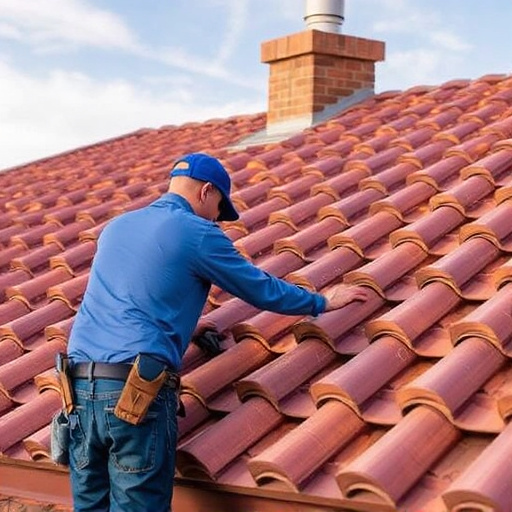
For many Oro Valley homeowners, understanding the difference between a manufacturer's warranty and a workmanship warranty is crucial when making decisions about roof repairs or replacements. This is especially true when dealing with new installations or repairs that involve Eagle Roofing tile, a popular choice in the community. When considering a roofer, it's essential to ensure the contractor is licensed and can provide the necessary ROC license and warranty protection.
The ROC (Registrar of Contractors) license is your guaranty that the contractor is not only legally authorized to perform roofing work in Oro Valley but also adheres to specific industry standards. A licensed contractor, such as a roofer with an Arizona ROC license, should offer both a manufacturer's warranty on the materials used and a workmanship warranty on the installation. However, these warranties are not created equal. The manufacturer's warranty typically covers defects in materials, while the workmanship warranty focuses on errors or omissions in the installation process. If a licensed contractor installs a new roof with Eagle Roofing tile but fails to properly seal certain areas, the workmanship warranty may not cover the resulting leaks.
When assessing a workmanship warranty, homeowners in Oro Valley should pay close attention to details like prorated coverage, which is common in these warranties. This means that as the roof ages, the contractor's responsibility for repairs may decrease. The Oro Valley Homeowners Association (HOA) often has guidelines regarding warranties, so it's essential to consult these documents. Homeowners should keep detailed records of all warranty-related communications and maintenance, as these may be necessary for future claims or disputes.
In the event of a leak or other issue, the process for filing a warranty claim can vary. Typically, the homeowner should first contact the contractor directly, who will then either repair the issue or direct the homeowner to the appropriate manufacturer or underlayment warranty. In some cases, especially with complex issues, working with a certified installer or manufacturer's representative may be necessary. This is where maintaining thorough paperwork becomes vital, as it can expedite the claim process. Remember, understanding the differences in warranties and ensuring your contractor is ROC-licensed are critical steps in protecting your Oro Valley home's investment.
Maximizing Your Roof Warranty: Homeowner Tips
For many Oro Valley homeowners, understanding the nuances of roof warranties can be a daunting task. For protecting your investment, distinguishing between a manufacturer's warranty and a workmanship warranty is crucial. Let's examine the specifics to help you maximize your roof's protective coverage.
When you hire a licensed roofer, like those at DC Roofing of Arizona, you're not just investing in new shingles or a repair; you're also gaining access to a professional's expertise in navigating warranties. A manufacturer's warranty, typically offered by the tile or shingle manufacturer, covers defects in materials. GAF, a leading manufacturer, offers warranties that range from 25 to 50 years, depending on the product. However, these warranties often require proper installation by a certified, licensed contractor. On the other hand, a workmanship warranty is provided by the roofing contractor and guarantees their work against defects for a specific period, usually 2 to 5 years. This includes repairs or replacements if the initial installation is found to be subpar.
To ensure your warranty offers the best protection, ask the contractor about their specific warranty terms and conditions. A reputable roofer with an Arizona ROC (Registry of Contractors) license will provide a detailed breakdown of the coverage, including any prorated periods for older homes. Regular maintenance, as recommended by the manufacturer, can also help extend the life of your warranty. Inspecting for loose or damaged shingles after a storm can prevent voiding your coverage. Remember, a manufacturer's warranty alone may not cover all repairs, especially if the issue arises from poor installation or faulty underlayment. A comprehensive workmanship warranty becomes invaluable in such cases, ensuring your investment is safeguarded.
Finally, always keep detailed records of your warranty, including registration, paperwork, and any claim documentation. This will be crucial if you ever need to file a warranty claim, especially for monsoon-related leaks. By staying informed and proactive, you can maximize the benefits of your roof warranty, ensuring your Oro Valley home remains protected for years to come.
Frequently Asked Questions About a Guide for Oro Valley Homeowners on the Difference Between Manufacturer and Workmanship Roof Warranties
What is the manufacturer's warranty? The manufacturer's warranty is a promise from the roofing material producer that guarantees the performance and quality of their product. It typically covers defects in materials and workmanship for a specific period, often ranging from 25 to 50 years. This warranty ensures that if issues arise from the manufacturing process or the material's inherent quality, the manufacturer will replace or repair the faulty components.
How does the workmanship warranty differ? The workmanship warranty is issued by the roofing contractor who installed your roof. It guarantees the skilled labor and installation methods used during the roofing project. While it may also offer a lengthy period of coverage, usually 5 to 10 years, it focuses on any errors or subpar work performed by the contractor. If the roofer missed a critical step in the installation, causing damage to the roof, the workmanship warranty would cover repairs.
Which warranty covers repairs for wear and tear? Neither warranty typically covers damage from wear and tear. Wear and tear refers to the gradual deterioration of a material or system due to normal use. Regular weather patterns, changes in temperature, and the natural aging process are all factors that contribute to wear and tear. Repairs or replacements required due to wear and tear would fall under the homeowner's responsibility.
Who is responsible for claiming a warranty? Homeowners are responsible for claiming either warranty. When an issue arises, contact the manufacturer directly for the material's warranty or the roofing contractor for the workmanship warranty. Each warranty has its own claims process, which may involve providing proof of purchase, detailed descriptions of the problem, and, in some cases, professional assessments.
Can both warranties be valid simultaneously? Yes, it's possible for a homeowner to have both a manufacturer's and workmanship warranty active at the same time. The manufacturer's warranty covers the quality of the materials, while the workmanship warranty protects against any flaws in the installation. In some cases, a single manufacturer might offer both types of coverage, or the contractor could have acquired separate warranties from different sources.
How does a warranty affect the cost of roof repairs? Warranties can significantly impact the cost of roof repairs. The manufacturer's warranty might cover the cost of replacing faulty materials, while the workmanship warranty could cover labor costs for repairs due to installation errors. Understanding your warranties can help manage repair expenses and ensure that you're not left with unexpected bills.
As Oro Valley homeowners, understanding the differences between manufacturer and workmanship roof warranties is crucial. Key takeaways include the importance of distinguishing between the two types of coverage, as they protect against different aspects of roof repairs and replacements. A manufacturer's warranty typically covers the materials used, while workmanship warranties focus on the skill and quality of the installation.
When engaging licensed contractors in Oro Valley, ensure they hold an Arizona ROC (Registry of Contractors) license and can provide adequate warranty protection. This is vital for maintaining the integrity of your roof and safeguarding your investment.
To maximize your roof warranty, homeowners should prioritize regular maintenance and promptly report any issues. By being proactive, you can prevent voids and extend the lifespan of your warranty. Addressing monsoon leaks promptly can prevent future, more extensive repairs.
A well-informed homeowner is empowered to navigate the complexities of roof warranties, ensuring they receive the protection they need from reliable, ROC-licensed contractors.
Oro Valley homeowners should understand the difference between manufacturer and workmanship warranties. While manufacturer's warranties cover material defects, workmanship warranties protect against installation flaws. An Arizona ROC-licensed roofer offers both, ensuring quality and protection.
Workmanship warranties typically cover a shorter period (1-3 years) and focus on the contractor's work. Transferring these to new homeowners is possible.
Check warranties carefully, note exclusions, and maintain detailed records for claims. Regular maintenance can extend warranty life. An ROC license ensures the roofer is licensed, bonded, and insured, providing peace of mind.