
Roofing is a crucial investment for any Oro Valley homeowner, ensuring protection from the elements and enhancing property value. However, navigating the complex world of roof warranties can be overwhelming, especially when considering the differences between tile, foam, and shingle systems. Many homeowners struggle to understand what voids their coverage, how to transfer warranties, and the fine print behind "lifetime" promises. This article provides a clear, plain-language guide to help you make informed decisions, focusing on the practical aspects of transferring a roof warranty and ensuring durable protection for your Oro Valley home. By the end, you'll be equipped to protect your investment with confidence.
- Understanding Roof Warranty Basics
- Tile, Foam, and Shingle Warranties Explained
- Transferring Roof Warranties: Do's and Don'ts
- Ensuring Proper Warranty Coverage Post-Installation
Understanding Roof Warranty Basics
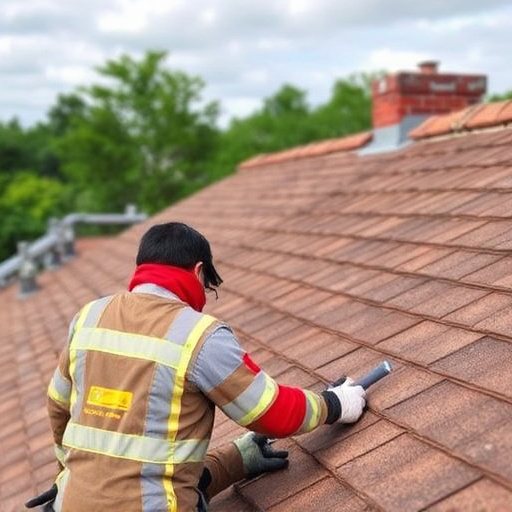
For protecting your Oro Valley home, understanding roof warranty basics is crucial. A new roof is a significant investment, and a solid warranty can offer peace of mind, ensuring that repairs or replacements are covered in the event of issues. Whether you're considering a tile, foam, or shingle roof, each type comes with its own warranty terms and conditions. Let's break down what to expect and how to navigate transferring a roof warranty, focusing on the key aspects that every homeowner should know.
Tile roofs, known for their durability and low maintenance, typically come with a manufacturer's warranty that covers material defects for a specific period, often 25 to 50 years. However, these warranties generally do not cover issues arising from improper installation or flashing problems, which can occur over time. A recent case in Rancho Vistoso involved a homeowner whose tile roof, while under warranty, developed leaks due to faulty flashing. Since the problem was not covered under the manufacturer's warranty, the homeowner had to bear the costs of repair, highlighting the importance of understanding what's included and excluded.
Foam roofs, on the other hand, offer excellent insulation and can last for 20 years or more. Their warranties often focus on the underlayment and structure, providing coverage for leaks and damage caused by wind and hail. When transferring a foam roof warranty, it's essential to ensure the new owner understands the remaining coverage period and any conditions that could void the warranty. An experienced Oro Valley roof specialist recommends reviewing the warranty documents and ensuring regular maintenance, such as inspecting for loose or damaged shingles, to maximize the lifespan of your foam roof.
Shingle roofs, the most common choice for many homeowners, come with manufacturer warranties that can last for 20 to 50 years. These warranties typically cover both the shingles and the underlayment. When choosing a roofer, look for one with a solid reputation and an active ROC license, as this protects both your investment and your warranty. A local roofing company in Oro Valley has a reputation for providing excellent workmanship and has recently upgraded its warranty offerings, giving clients even greater peace of mind.
Transferring a roof warranty involves understanding the terms and conditions, especially regarding maintenance and timely repairs. Regular upkeep, such as cleaning gutters and inspecting for damage, is crucial to keep the warranty valid. In the event of a claim, follow the proper procedures, including filing a written report and providing the necessary documentation. Remember, a well-maintained roof is the best way to ensure your warranty stays in effect, protecting your investment and your home for years to come.
Tile, Foam, and Shingle Warranties Explained
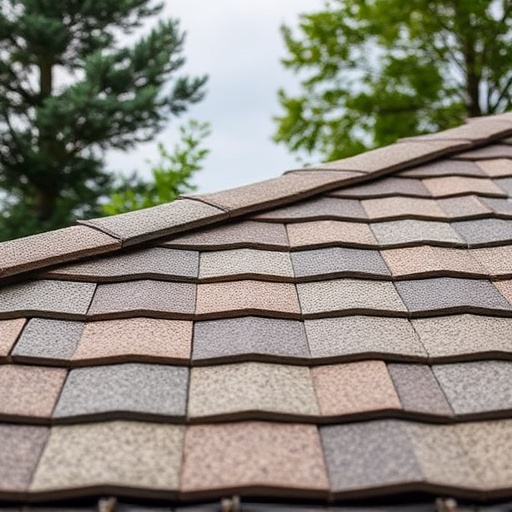
Roof warranties are a crucial aspect of protecting your home investment, ensuring peace of mind, and providing financial safeguards against unexpected repairs. For tile, foam, and shingle roofs, understanding the warranty terms is essential for homeowners looking to maintain their properties effectively. This section examines the specifics of these three common roofing materials, offering a plain-language guide to help you navigate the warranty landscape.
Tile roofs, known for their aesthetic appeal and durability, typically come with warranties that cover both materials and labor. These warranties often range from 5 to 25 years, depending on the manufacturer and the specific tile type. CertainTeed offers a 25-year limited warranty on its high-end roofing tiles, while other brands may provide a 10-year warranty. When transferring a roof warranty, especially for tile, it's crucial to ensure the new owner understands the coverage and any restrictions. Some manufacturers require proper installation by a licensed contractor, and the warranty may be voided if the original installation was not up to their standards. Homeowners should carefully review the fine print to know what constitutes a valid claim.
Foam roofing systems, popular for their excellent insulation properties, also come with warranties. These warranties usually cover both the foam material and the installation. Owens Corning, a leading manufacturer, provides a 25-year limited warranty on its foam products, ensuring long-term protection against leaks and structural damage. The warranty period may vary based on local climate and installation conditions. When a roofer with an Arizona ROC license (a required local license) performs the initial installation, the warranty becomes a valuable asset. Homeowners can transfer this warranty to subsequent buyers, ensuring ongoing protection for their investment.
Shingle roofs, perhaps the most common roofing material, offer warranties that vary significantly. Basic warranties typically cover materials and labor for 20 to 30 years, but these are often pro-rated, meaning the coverage diminishes over time. Higher-end shingles, like CertainTeed's, may come with lifetime limited warranties that cover defects in materials and workmanship. These warranties often exclude damage from extreme weather events, such as heavy winds, hail, or monsoon storms. Transferring a roof warranty for shingles requires reviewing the specific terms, as some manufacturers require regular inspections and maintenance to keep the warranty active. Homeowners should also be aware of the differences between a new roof warranty and a repair warranty, ensuring they select the appropriate coverage based on their needs.
Transferring Roof Warranties: Do's and Don'ts
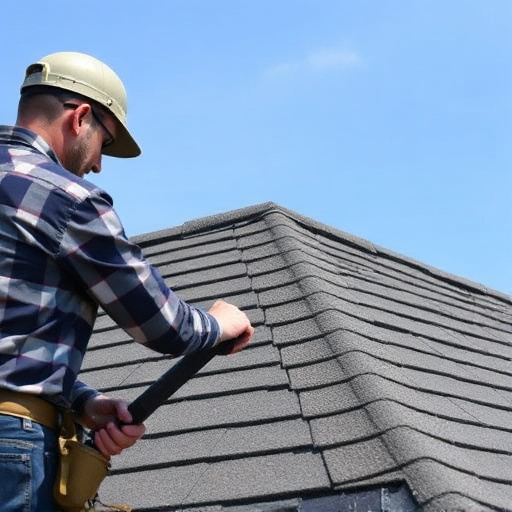
When you're considering a new roof or repairing your existing one, understanding how to transfer a roof warranty is crucial. This is especially true for homeowners in Oro Valley who want to ensure their investment is protected. Whether you're replacing tiles, installing foam coating, or upgrading to a new shingle system, the warranty process is a critical component.
Transferring a roof warranty involves ensuring the new contractor assumes responsibility for the existing warranty, or extending the warranty to cover the new work. This is not a one-size-fits-all process. A new roofer cannot simply take over a previous contractor's warranty; it must be done with proper documentation and adherence to terms. The Arizona Registrar of Contractors (ROC) matters in this, ensuring that warranties are transferred legally and correctly.
When done right, transferring a warranty allows for seamless protection. It's important to remember that not all warranties are created equal. Some are strictly 'manufacturer warranties' covering defects in materials, while others are 'workmanship warranties' focusing on the quality of the installation. Understanding the difference is vital. An underlayment warranty might be transferred easily, but a flashing warranty could require specific conditions to ensure the new contractor stands by the work.
A roofer with an Arizona ROC license can guide you through this process, ensuring all necessary paperwork is in order. They will verify that the new work is compatible with the existing warranty, and that all terms and conditions are met. This includes checking the warranty's limitations, such as prorated coverage for older roofs or specific exclusions for certain types of damage. By following these guidelines and working with a licensed professional, you can ensure a smooth transfer process, maintaining the protection of your Oro Valley home's roof.
Ensuring Proper Warranty Coverage Post-Installation

After a successful roof installation, ensuring proper warranty coverage is crucial for Oro Valley homeowners. This is where understanding the nuances of roof warranty terms comes into play, especially when considering transfers. When you invest in a new roof, whether it's tile, foam, or shingles, the warranty becomes your shield against unforeseen repairs.
DC Roofing of Arizona, a licensed Oro Valley area roofing contractor, emphasizes the importance of reviewing your warranty documents, especially the underlayment warranty. This crucial component, often overlooked, provides an additional layer of protection against moisture intrusion and structural damage. CertainTeed offers comprehensive underlayment warranties that can extend the life of your roof, but only if installed correctly and maintained per manufacturer guidelines.
For transferring a roof warranty, especially for homes within Oro Valley HOAs, it's essential to check the specific community's rules. Some HOAs have restrictions or requirements for transferring warranties, ensuring that the new owner receives adequate protection. This process involves communicating with your roofing contractor and the warranty provider, who can guide you through the steps. For tile roofs, which often come with longer warranties, the transfer process might require updating the policy to reflect the new owner's details, ensuring continuity of coverage.
Regular maintenance is key to keeping your roof warranty intact. Preventative care, such as cleaning gutters and inspecting for damage after severe storms, can help avoid voids in your warranty. A monsoon leak during the first year of a shingle system's installation could compromise the warranty if not properly addressed. By staying proactive, you can maximize the benefits of your roof warranty, ensuring peace of mind for years to come.
Frequently Asked Questions About a plain language look at tile, foam and shingle roof warranty terms
What are the key differences between tile, foam, and shingle roofs in terms of warranties?
Roof warranties vary significantly based on material type. Tile roofs often come with a manufacturer's warranty covering material defects for 25 to 50 years. Foam roofs typically offer excellent structural warranties, lasting 20 years or more, but may have shorter performance warranties of 5 to 15 years against deterioration. Shingle roofs usually have a manufacturer's warranty of 20 to 40 years, but the actual lifespan depends heavily on installation quality and local climate.
How do I know if a roofing warranty covers both material and labor?
Most comprehensive warranties cover both material and labor. Look for a warranty that explicitly states "full coverage" or "comprehensive." Local roofing contractors can provide clarification on specific terms, and the warranty document should clearly outline what's covered. In general, labor is covered for the duration of the warranty period, ensuring repairs or replacements are included.
What is the difference between a material warranty and a workmanlike warranty?
A material warranty guarantees the quality and performance of the roof tiles, foam, or shingles. A workmanlike warranty, on the other hand, covers the skill and quality of the installation. Both are crucial: a strong material warranty ensures your roof lasts, while a robust workmanlike warranty guarantees it's installed correctly.
How long do tile, foam, and shingle roofs typically last with proper maintenance?
With regular cleaning and inspection, tile roofs can last 40 to 60 years. Foam roofs, known for their durability, often exceed 30 years. Shingle roofs, depending on material and installation, generally range from 15 to 30 years, but poor conditions can shorten this. Regular maintenance and prompt repairs extend the lifespan of all roof types.
Can I transfer a roof warranty to a new homeowner if I sell my house?
Most warranties do not transfer to new homeowners. They're typically tied to the original purchaser and the property. When selling, inform the buyer about the remaining warranty period and any applicable terms. Some manufacturers may offer a transfer process, but this varies significantly, so check with the warranty provider.
What happens if I file a warranty claim? Is there a process I should follow?
First, review the warranty document for specific claims procedures. Generally, contact the manufacturer or your roofing contractor for assistance. They'll guide you through the process, which may involve providing proof of purchase, photographs, and details about the issue. Timely claims, supported by proper documentation, usually result in faster resolutions.
Whether dealing with tile, foam, or shingle systems, each type of roofing material comes with specific warranty coverage. Transferring a roof warranty, for instance, requires careful consideration and adherence to the manufacturer's guidelines and legal requirements, ensuring the protection extends smoothly from the initial installation to subsequent ownership changes.
Post-installation, proper maintenance is key to preserving warranty coverage. This includes addressing potential issues like monsoon leaks promptly to avoid voiding the guarantee, as many warranties are contingent on the integrity of the initial installation and ongoing care.
For homeowners, registering the warranty with the manufacturer and keeping detailed paperwork are essential steps. Being aware of what voids a warranty, such as DIY repairs or inadequate maintenance, can help prevent unforeseen disputes.
Roofing professionals, like those at DC Roofing, have a responsibility to provide clear information about warranty terms, especially regarding upgrades, repairs, and the distinction between new roofs and repairs. Ensuring customers understand their coverage and rights strengthens the local community's resilience against unforeseen weather events, as a robust roof warranty can cover significant repairs during intense storms, like hail or wind damage.
By familiarizing themselves with these warranty terms and practices, homeowners and roofing contractors alike can make informed decisions, protect their investments, and maintain the longevity of their neighborhood homes.
Understanding roof warranties is crucial for Oro Valley homeowners. Tile roofs typically have 25-50 year manufacturer warranties, but flashing issues may not be covered. Foam roofs offer 20+ year warranties focusing on underlayment and structure. Shingle roofs have warranties from 20-50 years, covering both shingles and underlayment. Transferring a roof warranty involves understanding terms, maintenance, and proper documentation. An experienced roofer with an Arizona ROC license is vital for seamless transfers and ongoing protection. Regular inspections and maintenance maximize warranty benefits.