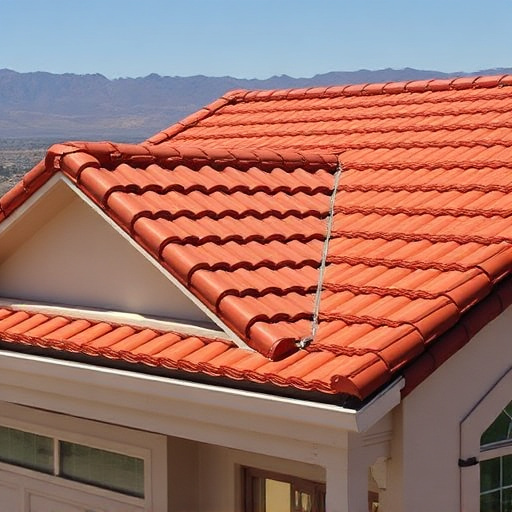
In Oro Valley, a new roof is a significant investment, protecting your home from the elements while enhancing its curb appeal. However, ensuring the longevity of your roof isn't just about initial installation; it involves understanding and maintaining the associated warranty. Many homeowners are unsure what a manufacturer vs workmanship warranty covers, how to transfer it, or what could void it. This guide aims to empower local homeowners by answering crucial warranty questions before signing, from understanding coverage for tile roofs and underlayment to navigating claims for monsoon leaks and wind damage. By the end, you'll be equipped to maintain your roof and maximize the protection your warranty provides.
- Understanding Warranty Obligations: What You Need to Know
- Pre-Installation Checks: Asking the Right Warranty Questions
- Maintenance Practices: Ensuring Long-Term Coverage
- Claiming Warranty: A Step-by-Step Guide for Consumers
Understanding Warranty Obligations: What You Need to Know

Understanding your warranty obligations is crucial when protecting your investment in a new roof or repair. Before signing on the dotted line, it's essential to know what's covered, what voids your warranty, and how to maintain it. This starts with a clear, detailed warranty in writing from your licensed Arizona roofer. The contract should outline specific terms, including coverage duration, exclusions, and required maintenance. Most warranties cover materials and workmanship for a set period, often 20-30 years, but this can vary.
One common distinction is between manufacturer and workmanship warranties. The manufacturer's warranty guarantees the integrity of the shingles or other materials, while the workmanship warranty ensures the quality of the installation. It's vital to understand both types and their implications. A shoddy installation could void your workmanship warranty, even if the shingles are under warranty. Conversely, a minor leak due to normal wear might be covered under the manufacturer's warranty, but not if it's caused by an improperly secured shingle.
Regular maintenance is key to keeping your warranty valid. Many warranties require an annual inspection to ensure the roof is in good condition. This can include cleaning gutters, inspecting for damage, and ensuring proper ventilation. An elastomeric coating might be part of your warranty requirements, protecting against UV damage and providing an extra layer of defense against leaks. Always refer to your warranty paperwork for specific maintenance guidelines. Ignoring these requirements could lead to disputes over warranty claims, so it's wise to keep detailed records of all maintenance activities.
Before signing any warranty documents, thoroughly review the fine print. Some warranties have exclusions for natural disasters like monsoon leaks, and others may have prorated periods where labor costs are shared. Understanding these nuances ensures you're protected when unexpected issues arise. If a roofer closes or you're considering DIY repairs, be aware that these actions could impact your warranty. Always consult with a licensed professional for advice, and remember that a written contract is your best defense in protecting your investment.
Pre-Installation Checks: Asking the Right Warranty Questions
Before signing on the dotted line, homeowners in Oro Valley and Marana should ask the right questions about their roof warranty. Pre-installation checks are crucial for understanding the coverage you're getting and ensuring your investment is protected. A top-rated roofing contractor serving Oro Valley and Marana can guide you through this process, but here are some key warranty questions to consider:
First, clarify warranty coverage. Is it a manufacturer's warranty or a workmanship warranty? A manufacturer's warranty typically covers defects in the roofing materials, while a workmanship warranty protects against errors in the installation. Understanding this distinction is vital, as it determines who is responsible for repairs or replacements. Also, inquire about prorated coverage. Many warranties offer prorated coverage for the first few years, meaning your out-of-pocket expenses may increase with age. Be sure to ask about the transferability of the warranty. If you sell your home, you'll want to know if and how the warranty can be transferred to a new owner. Finally, don't overlook the details around recoating. Some warranties may require periodic recoating to maintain coverage, so ask about this requirement and the expected frequency.
By asking these questions before signing, homeowners can avoid surprises and ensure their roof is protected by a comprehensive warranty that aligns with their needs.
Maintenance Practices: Ensuring Long-Term Coverage

Maintaining a roof warranty requires more than just paying the initial premium. To ensure long-term coverage and avoid voiding the warranty, property owners must engage in specific maintenance practices. Regular inspections and timely repairs are crucial, as they can prevent minor issues from turning into major problems that void warranty protection. A local roofing company serving Oro Valley recommends inspecting the roof for flashing damage, which can occur due to extreme weather or poor installation. Flashing, a critical component that seals the roof edge, must be in good condition to maintain the integrity of the roof system and avoid leaks.
CertainTeed, a leading manufacturer of roofing materials, emphasizes the importance of proper flashing installation and maintenance. Flashing should be checked for signs of corrosion, damage, or missing pieces, and repairs should be made as soon as possible. To flashing, homeowners should also monitor the underlayment for any tears or damage. The underlayment, a protective layer between the shingles and the roof deck, matters in protecting against water intrusion and is covered under most warranties. Regular maintenance, such as cleaning gutters and drains to prevent water buildup, is essential to preserving the warranty.
Before signing any warranty agreement, it's crucial to understand the terms and conditions. Homeowners should ask questions about what constitutes a valid claim, what types of repairs are covered, and how long the warranty lasts. Some warranties may have specific requirements for registration, such as registering the warranty with the manufacturer or a third-party organization. Ensuring that these steps are taken within the prescribed timeframe is essential to avoid voiding the warranty. Remember, a well-maintained roof not only protects your home but also ensures that your investment is protected by the warranty.
Claiming Warranty: A Step-by-Step Guide for Consumers

Claiming Warranty: A Step-by-Step Guide for Consumers
Understanding how to claim your warranty is crucial for any Oro Valley homeowner. Before you initiate the process, there are several warranty questions to consider. Firstly, review the terms and conditions of your written contract. Ensure you understand the specific conditions that must be met for a successful claim, such as proper maintenance and timely repairs. A roofer with an Arizona ROC license will typically outline these requirements, emphasizing the importance of adhering to them to avoid voiding your warranty.
The warranty process often begins with identifying the issue. If you notice leaks, missing shingles, or damaged underlayment during Oro Valley's monsoon season, these could be valid claims. Document these issues with photos and detailed descriptions. Next, contact your roofing contractor directly. They should have a clear process for handling warranty claims, often involving an inspection to verify the problem and its severity. A workmanship warranty may cover repairs for up to 10 years after installation, while a manufacturer's warranty could provide protection for the life of the product.
During the claim, you'll likely need to provide proof of purchase and the original warranty documents. Keep these records organized and easily accessible. If you've moved or sold your home, transferring the warranty might be necessary. Each roofing company has its own procedures for this, so consult with them directly. Remember, proactive maintenance, as recommended by your Oro Valley HOA, can extend the lifespan of your roof and minimize the need for costly repairs, ultimately ensuring your warranty remains valid.
Finally, if a dispute arises regarding your warranty claim, don't hesitate to seek clarification. Many roofing companies offer certified installer warranties, providing additional peace of mind. If you're unsure about any aspect of the process, ask questions before signing any paperwork. This proactive approach ensures you understand your rights and responsibilities, enabling you to make informed decisions regarding your roof's warranty.
Frequently Asked Questions About a Guide to the Maintenance a Warranty Usually Requires
What is covered under a standard home warranty? A standard home warranty typically covers major appliances, systems, and structural components against defects in materials and workmanship. This includes items like the heating and cooling system, water heater, electrical panel, roof, and windows. However, each policy varies, so it's crucial to review the specific coverage details provided by your warranty provider.
How often should I inspect my home to maintain my warranty? While warranties don't usually require regular inspections, performing routine checks can help prevent minor issues from becoming major, voids, or claims. At a minimum, inspect your home once a year for signs of damage, leaks, or unusual noises. For peace of mind and to maintain your warranty's validity, consider following the manufacturer's guidelines or consulting with a professional contractor.
What documentation do I need to file a warranty claim? To file a valid warranty claim, you'll typically need to provide proof of purchase, the original warranty, and a detailed description of the issue. Some providers may also require photos, maintenance records, or even a professional diagnosis. Keep these documents organized and easily accessible to streamline the claims process.
Can I fix minor issues myself to avoid voiding my warranty? While it's tempting to save money, attempting to fix minor issues yourself can sometimes void your warranty, especially if you're not a licensed professional. Most warranties prohibit non-qualified individuals from making repairs. For peace of mind and to maintain your coverage, it's best to call a licensed contractor for even the smallest jobs.
What happens if a covered item fails during the warranty period? When a covered item fails, contact your warranty provider immediately. They will either repair or replace the item, depending on the terms of your specific policy. In some cases, you may need to pay a deductible, but your out-of-pocket expenses will be significantly lower than replacing the item out-of-warranty.
How do I know if a replacement part is covered under warranty? Your warranty provider or the manufacturer's website can tell you if a replacement part is covered. They may also provide a parts list or a detailed description of covered components. If you're unsure, don't hesitate to reach out to them directly for clarification before purchasing any parts.
What should I do if my warranty company denies my claim? If your warranty claim is denied, carefully review the reasons provided by the company. They may have missed an applicable coverage clause or made a mistake. Consult with a legal professional or a consumer protection agency for guidance if necessary, but remember that appealing a denied claim can be time-consuming and may not always result in a favorable outcome.
A well-maintained roof is crucial for any Oro Valley home, and a comprehensive warranty serves as a shield against unforeseen repairs. By understanding warranty obligations and asking the right questions during pre-installation, homeowners can ensure they're protected. Regular maintenance, as outlined in this guide, is key to keeping your warranty valid and preventing costly claims. When the time comes to claim your warranty, following the step-by-step guide ensures a smooth process. Remember, the details matter - from checking for valid coverage to understanding the difference between manufacturer and workmanship warranties. Before signing any contract, be sure to ask about warranty terms, exclusions, and maintenance requirements to avoid surprises. This practical knowledge empowers homeowners to navigate warranty claims confidently, ensuring their investment in their Oro Valley home is protected for years to come.
Homeowners in Oro Valley and Marana should thoroughly review their roof warranty before signing. This involves understanding the difference between manufacturer and workmanship warranties, checking for prorated coverage, and inquiring about transferability and recoating requirements.
Maintaining the warranty requires regular inspections and timely repairs, especially for critical components like flashing and underlayment. Proper maintenance, including cleaning gutters and adhering to manufacturer registration requirements, is crucial to avoid voiding the warranty.
When claiming a warranty, review the terms and conditions, document issues with photos, and contact your roofing contractor directly. Keep records organized, and be aware of warranty transfer procedures if selling your home. Proactive maintenance and clear communication ensure your warranty remains valid and protect your investment.
Asking warranty questions before signing and maintaining regular communication with a licensed roofer in Oro Valley are key to ensuring your roof is protected.