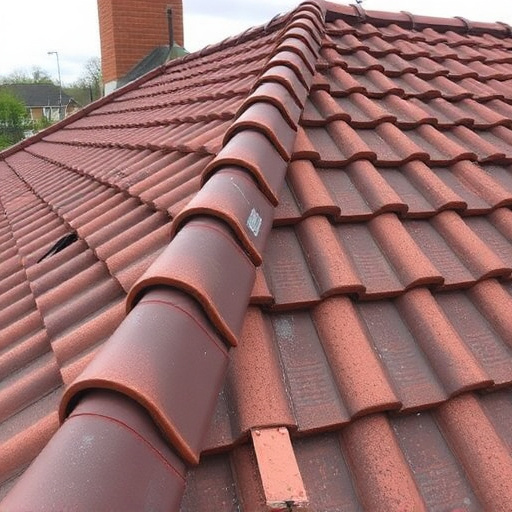
In the Oro Valley community, a solid roof is not just about aesthetics-it's a crucial defense against Arizona's monsoons and extreme weather. Yet, even the best-installed roofs can leak, leaving homeowners with a stressful situation. This is where understanding your warranty becomes critical. Certified installer warranties play a pivotal role in ensuring repairs are covered, especially after a storm or seasonal wear and tear. This article guides you through the process of making a warranty claim after a leak, focusing on practical steps and expert advice tailored to Oro Valley's roofing needs. Let's explore how to navigate this process effectively, leveraging your investment in a secure and protected roof.
- Understanding Your Warranty Coverage After a Leak
- Documenting and Reporting the Leak: Key Steps
- Working with a Certified Installer for Repairs
- Navigating the Warranty Claim Process Effectively
Understanding Your Warranty Coverage After a Leak
When a leak occurs after a roofing installation, understanding your warranty coverage is crucial. As a homeowner, you've invested in a new roof, whether it's a GAF or CertainTeed product, and you're entitled to certain protections. An experienced Oro Valley roof specialist can guide you through this process, ensuring you receive the repairs or replacements warranted.
Your written contract with the certified installer is the key document here. It spells out exactly what's covered under the manufacturer's warranty and the terms of the workmanship guarantee. Many manufacturers offer a 25-year or lifetime warranty on their shingles, but the labor to install them is typically covered for a lesser period, like 5 to 10 years. The contract should clearly state these durations and any conditions that could void your coverage, such as improper maintenance or damage from wind, hail, or extreme weather events like a monsoon.
If a leak develops within the warranty period, don't delay. Contact the installer or roofing company directly. They should arrange for an inspection and provide a written estimate for repairs. If the leak is due to defective materials or poor workmanship, your contractor will make the necessary repairs or replacements, usually without any out-of-pocket expense to you. If a loose underlayment causes a leak, the installer will replace it, ensuring your roof is properly protected again. Always keep records of all communication and documents related to the warranty claim process.
Documenting and Reporting the Leak: Key Steps

When a leak occurs, documenting and reporting it accurately is crucial for a successful warranty claim. As a homeowner, you must gather all relevant information to support your case. Start by taking detailed notes on the leak: when and where it occurred, the type and severity of damage, and any relevant details that could help the warranty provider understand the cause. If the leak was caused by a missing shingle during a storm, note the date, the specific location on your roof, and any weather conditions that might have contributed.
Next, take clear, dated photographs of the damage. These visual aids can be invaluable in communicating the extent of the problem. Be sure to capture the leak from multiple angles and include close-ups of any affected areas. Review your contract or warranty documents for specific reporting requirements. Many certified installer warranties require a written claim, so ensure you have a record of your communication with the warranty provider.
A local roofing company serving Oro Valley recommends keeping meticulous records. Organize all your notes, photos, and any correspondence with the warranty company in one place. If you've had previous interactions with the roofer or the warranty association, include those details as well. If you've had positive experiences with a specific roofer in the past, they might be more inclined to support your claim. When in doubt, follow up with the warranty provider for clarification on any required steps or documentation.
Working with a Certified Installer for Repairs
When a leak occurs, homeowners often turn to a roofer for repairs, but it's crucial to understand the role of a certified installer in warranty claims, especially after a monsoon storm. If your Oro Valley home has suffered water damage, the first step is to assess the source and extent of the leak. Once identified, the next critical decision is whether to repair or replace the affected area. A roofer with an Arizona ROC license can provide expert advice on this, considering factors like the age of the roof, the type of damage, and the overall condition.
A certified Owens Corning installer, familiar with the manufacturer's warranties, can help navigate the warranty process. Many homeowners mistakenly believe that a manufacturer warranty covers all repairs. While the manufacturer warranty protects against defects in materials and workmanship, it often excludes damage from natural causes like extreme weather, poor installation, or regular wear and tear. A workmanship warranty, on the other hand, is separate and provided by the installer, ensuring that the repair or replacement is done to the required standards. This distinction is vital, as it clarifies responsibilities and covers different scenarios.
When filing a warranty claim, document the repair process thoroughly. Keep records of all communications, including emails, letters, and receipts. Take photos of the damage, the repair work, and the completed job. These documents will be invaluable if a dispute arises. For minor repairs, a certified installer might offer a prorated warranty or a labor-only guarantee. For major work, especially after a storm, a comprehensive workmanship warranty is essential. This ensures that the installer stands behind their work and provides guarantees for a set period. Always read the fine print and understand what's covered and what's not before signing any warranty paperwork.
Navigating the Warranty Claim Process Effectively

Navigating the Warranty Claim Process Effectively
When a leak occurs, understanding your warranty coverage is crucial, especially when relying on a certified installer's workmanship. The first step is to review your contract thoroughly, paying close attention to the terms related to flashing and the specific Owens Corning warranty, if applicable. A licensed Oro Valley area roofing contractor can provide guidance on these details and ensure all necessary paperwork is in order.
Many warranties, including those offered by certified installers, include provisions for repairs or replacements due to improper flashing. This is a common source of leaks and, thus, a frequent reason for warranty claims. However, the process isn't always straightforward. It's essential to document the problem, gather evidence, and keep detailed records of all communications and repairs. This includes taking photos of the damage and the completed work, as these can be invaluable in supporting your claim.
After gathering this information, contact your certified installer or the manufacturer directly, depending on the terms of your warranty. Clearly explain the situation, providing all relevant details and documents. Be prepared for the possibility of back-and-forth communication as they assess the claim. In some cases, a simple repair might be covered, while other situations might require a more extensive investigation or even a replacement under the workmanship warranty.
Keep in mind that prorated warranties, which decrease in coverage over time, and underlayment warranties, which often have specific conditions, can both impact the outcome of a claim. The fine print matters, so ensure you understand all the terms before agreeing to any settlement. For complex cases, it might be beneficial to consult with a roofing expert or a professional who understands the nuances of your specific warranty.
Frequently Asked Questions About advice on making a warranty claim after a leak
What if I suspect a leak but can't find the source? If the source of the leak is elusive, consult a professional roofer immediately. They can use advanced diagnostic tools to locate the issue and determine if it's covered under your warranty. Remember, prompt action can prevent further damage and ensure you receive the necessary repairs without additional costs.
How soon after discovering a leak should I file a warranty claim? It's crucial to act swiftly. Most roofing companies in Oro Valley area recommend filing a claim as soon as you notice a leak. This prompt action can help ensure your claim is processed efficiently, allowing for quicker repairs and minimizing potential damage to your property.
What documentation do I need to support a warranty claim for a leak? Gather all relevant information, including your purchase agreement, warranty documents, and any photos or videos of the leak and damage. Keeping detailed records of your interaction with the contractor, including dates, names, and descriptions of the issue, can be invaluable.
Will my home insurance cover a leak that's under warranty? Generally, standard home insurance policies do not cover issues already covered by a manufacturer's or contractor's warranty. However, it's important to review your policy with your insurance agent to understand your specific coverage.
What if the roofer says the leak isn't covered by my warranty? If you believe the leak is covered, politely discuss your concerns with the roofer. Review your warranty documents carefully and, if necessary, consult a legal professional specializing in consumer rights to understand your options. Don't be afraid to ask for a detailed explanation of their assessment.
How long does it typically take to resolve a warranty claim for a leak? The resolution time varies depending on several factors, including the issue and the contractor's workload. However, most claims are resolved within a few weeks to a month. DC Roofing of Arizona strives to process claims efficiently, keeping you informed throughout the process.
Navigating a warranty claim after a leak requires understanding your coverage, meticulous documentation, and collaboration with a certified installer for effective repairs. By following these steps, homeowners can ensure their roofs are protected, repairs are handled professionally, and their investment is safeguarded. Remember, a certified installer's expertise is crucial for accurate assessments and quality workmanship, aligning with the intent of your warranty. Moving forward, prioritize regular maintenance and prompt reporting of any issues to maximize the lifespan of your roof and the validity of your warranty.
When a leak occurs after a roofing installation, homeowners should:
1. Review the Contract: Understand the manufacturer's warranty and the terms of the certified installer's workmanship guarantee. Note coverage durations and voiding conditions.
2. Document the Issue: Take detailed notes on the leak's origin, type, and severity. Capture damage with clear, dated photos from multiple angles.
3. Report the Claim: Contact the certified installer directly for repairs or replacements, usually covered if due to defective materials or poor workmanship.
4. Maintain Records: Keep thorough documentation of communications, estimates, photos, and any correspondence with the warranty provider.
5. Understand Coverage: Distinguish between manufacturer warranties, which protect against defects, and separate workmanship warranties, which ensure quality installation.
6. Navigate the Process: For complex claims, consult a roofing expert to understand the nuances of your specific warranty, ensuring a successful resolution.