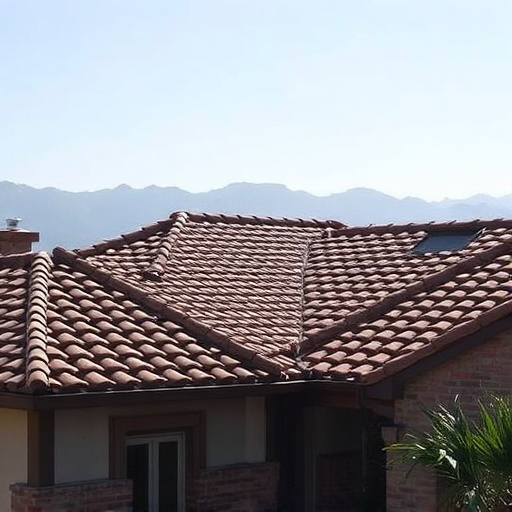
Roofing warranties and homeowners insurance are two critical components of protecting your Oro Valley home's most valuable asset-its roof. Understanding how these two safety nets work together is essential for any homeowner, as it can significantly impact the financial burden of roof repairs or replacements. The problem arises when homeowners are unaware of the specific coverage details and how to navigate claims processes. This article aims to demystify this process, providing clear guidance on the warranty paperwork to keep, the differences between manufacturer and workmanship warranties, and how to ensure your roof is adequately protected. By the end, you'll be equipped to make informed decisions regarding your home's roofing needs.
- Understanding Roof Warranties: Basics and Benefits
- Homeowners Insurance: Coverage for Roof Repairs and Replacement
- Deciphering Warranty Paperwork: Key Clauses and Exclusions
- Maximizing Protection: Integrating Insurance and Warranty Strategies
Understanding Roof Warranties: Basics and Benefits
For protecting your home's most crucial investment-the roof-understanding the interplay between roof warranties and homeowners insurance is paramount. While both serve to safeguard your property, they operate differently, and a clear grasp of this dynamic can help you navigate repairs and replacements smoothly.
A local roofing company serving Oro Valley, like DC Roofing of Arizona, provides both installation and repair services, ensuring clients receive comprehensive protection. The manufacturer warranty, typically offered on materials, guarantees defects in craftsmanship or materials for a set period. An elastomeric coating might come with a 10-year warranty against cracking or peeling. In contrast, a homeowner's insurance policy is a safety net for unexpected events, covering damages like those caused by storms, hail, or leaks. However, it's essential to note that insurance doesn't directly cover the cost of repairs or replacements; it compensates for the loss or damage.
When a roof requires repair or replacement, the warranty becomes a crucial component of the process. Homeowners should meticulously document all work and keep detailed warranty paperwork to keep track of coverage. If a storm causes damage, the policyholder can file an insurance claim to cover the cost of repairs. The insurance company will assess the damage and, if covered, disburse funds to the homeowner. In parallel, the homeowner can then file a warranty claim with the manufacturer to cover any defects or replacements not covered by insurance, such as a faulty underlayment. This dual protection ensures comprehensive coverage for the home.
A key distinction lies in the scope of coverage. Homeowners insurance is designed to address unforeseen circumstances, while a roof warranty is a promise from the manufacturer or contractor, ensuring the quality of their work for a specific period. A wind and hail storm might damage shingles, prompting an insurance claim. However, if the damage results from poor installation or a missing component, the warranty kicks in. Understanding these differences allows homeowners to navigate the claims process efficiently, ensuring their investment is protected.
Homeowners Insurance: Coverage for Roof Repairs and Replacement
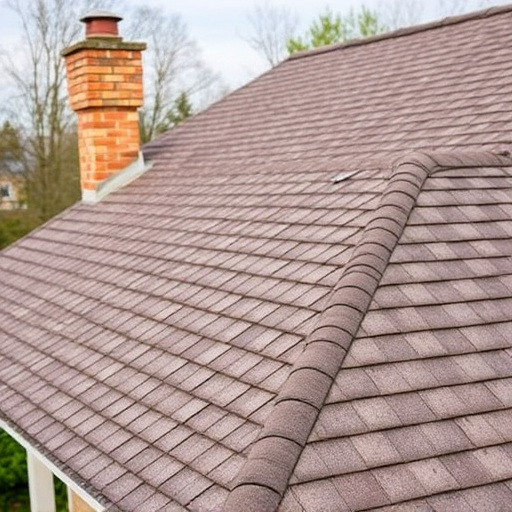
For protecting your home's most vital asset-its roof-understanding the interplay between a roof warranty and homeowners insurance is crucial. While both serve different purposes, they work hand in hand to ensure your peace of mind. Let's examine how homeowners insurance covers roof repairs and replacements, and why keeping proper warranty paperwork is essential.
Homeowners insurance provides financial protection against unforeseen events, including damage to your property from storms, winds, hail, or even leaks caused by monsoon seasons. In the event your roof suffers such damage, your insurance policy will help cover the costs of repairs or, if the damage is severe, replacement. However, insurance policies vary, and some may have specific deductibles or exclusions related to roof repairs. Your policy might not cover repairs due to normal wear and tear or improper installation, emphasizing the role a well-chosen manufacturer warranty and workmanship warranty play.
A manufacturer warranty, typically offered by the roofing materials' producers, guarantees the quality and performance of the products. These warranties often cover defects in materials for a specified period, ensuring you're protected if a manufacturer identifies issues with their product. In contrast, a workmanship warranty, provided by the roofing contractor, covers the labor and installation process. It ensures that any errors or substandard work performed by the contractor will be rectified without cost to you. When selecting a roofing company, ensure they are licensed by the Arizona Registrar of Contractors (ROC) and prioritize obtaining detailed warranty paperwork.
DC Roofing of Arizona, a licensed Oro Valley area roofing contractor, recommends that homeowners keep comprehensive warranty paperwork on file. This documentation should include details about the manufacturer's warranty, any additional workmanship warranties, and the terms and conditions of your homeowners insurance policy. By doing so, you can easily verify coverage for repairs or replacements, facilitate claims, and ensure your investment in your home's roof is protected.
Deciphering Warranty Paperwork: Key Clauses and Exclusions

Understanding the fine print in your roof warranty paperwork is crucial for any homeowner in Oro Valley. While insurance and warranties serve different purposes, they often work hand in hand for protecting your home, especially during unforeseen events like monsoon storms or wind and hail damage. An experienced Oro Valley roof specialist recommends scrutinizing every clause, as some exclusions can be specific to your location or the manufacturer.
When comparing a manufacturer's warranty to a workmanship warranty, it's essential to recognize the differences. A CertainTeed shingles manufacturer's warranty might cover material defects for 30 years, while a workmanship warranty from your roofer guarantees their labor for 5 years. Knowing these distinctions is vital when filing an insurance claim or a warranty claim. The paperwork to keep for both types of warranties should include clear descriptions of covered and non-covered items, as well as specific conditions for claim submission.
Let's break down some key clauses: "Limited Coverage" often excludes normal wear and tear, while "Exclusions" may list specific perils like seismic activity or flooding. For a successful claim, homeowners should ensure their insurance policy and warranty both cover the specific event causing damage. A monsoon leak claim might be denied if your policy or warranty doesn't cover heavy rainfall. Maintaining thorough records, including warranties and insurance policies, is essential for navigating warranty paperwork and ensuring you receive the coverage you're entitled to.
Prorated warranties, which decrease in coverage value over time, are common. Understanding these reductions can help you plan for potential future repairs. A 20-year warranty might be prorated after 10 years, meaning a portion of the original coverage is still valid. Keep this in mind when deciding between a new roof or repairs, as a DIY repair might not activate the full warranty benefits. Always consult your warranty paperwork and, if needed, involve your insurance provider to ensure a smooth claim process.
Maximizing Protection: Integrating Insurance and Warranty Strategies

In the complex world of home maintenance, understanding the interplay between roof warranties and homeowners insurance is crucial for maximizing protection. While both serve to safeguard your investment, they operate differently and offer distinct benefits. A local roofing company serving Oro Valley can guide you in navigating these systems to ensure your home's roof is adequately covered.
Roof warranties, whether manufacturer or workmanship-based, are designed to cover defects in materials or installation for a specified period. These warranties are typically included with the purchase of new roofing materials, such as GAF products, and can be transferred to new owners if the property is sold. A quality underlayment warranty from GAF can provide additional protection against monsoon leaks, a common concern in our region. It's essential to keep detailed warranty paperwork to keep on file, as it documents the scope of coverage and any claims made. When a repair or replacement is needed, understanding the terms of your warranty is vital to ensuring the work is covered.
Homeowners insurance, on the other hand, is a policy that protects against unforeseen events, including damage to your property. Standard policies typically cover major disasters like fires, storms, and accidents. However, not all insurance plans include coverage for roof repairs or replacements. It's essential to review your policy to understand what's covered and what's not. While insurance may not directly cover the cost of a new roof due to normal wear and tear, some policies include provisions for emergency repairs to prevent further damage. Integrating insurance and warranty strategies can provide comprehensive protection. Regular maintenance, as recommended by your roofing specialist, can help keep your warranty valid and reduce the risk of costly repairs, which would typically be the responsibility of insurance.
In the event of a roof leak, especially during the monsoon season, knowing your rights and coverage is crucial. If the leak is due to a manufacturing defect covered under warranty, the replacement or repair costs may be borne by the manufacturer. However, if the leak results from normal wear and tear, insurance may be the primary source of funding. Documenting every step, from initial discovery to repair or replacement, is essential. Keep detailed records of communications, estimates, and invoices, as this warranty paperwork to keep can be invaluable in the event of a dispute. A proactive approach to maintenance and timely repairs can prevent minor issues from becoming major, costly problems that may not be fully covered by either insurance or warranty.
Frequently Asked Questions About an Explainer on How Roof Warranties and Homeowners Insurance Work Together
*What is the purpose of a roof warranty?
A roof warranty serves as a commitment from the manufacturer or installer, assuring homeowners that their roof will be free from defects or problems for a specified period. It covers repairs or replacements due to covered issues, providing peace of mind and financial protection. Warranties vary in duration and scope, typically focusing on materials and craftsmanship.
How does homeowners insurance interact with a roof warranty?
Homeowners insurance and a roof warranty work hand in hand. Insurance provides coverage for unexpected events like hail damage, wind storms, or falling debris, which could void a warranty. While a warranty covers normal wear and tear, insurance can help with the cost of repairs or replacement if a covered event damages your roof.
What happens if a covered event damages my roof during the warranty period?
First, review your policy and warranty terms. If the damage is covered under both, you may be eligible for reimbursement or direct repair from the warranty provider. Some policies may require you to file a claim with your insurance company first, who will assess the damage and provide an estimate. The warranty provider will then review the claim and determine if it's valid.
Does my homeowners insurance premium go up if I have a roof warranty?
Generally, a roof warranty doesn't directly impact your homeowners insurance premium. Insurance companies focus on factors like your location, home value, and claims history. However, if you file a claim under your policy for a covered roof issue, this could affect your future premiums.
Who should I contact if I have questions about my roof warranty?
Contact the manufacturer or installer who provided the warranty for clarification. They can explain the terms, scope, and exclusions, and guide you through the claims process if needed. Most warranties include a customer service hotline or online support portal for assistance.
What happens if I choose to replace my roof instead of repairing it?
If you choose to replace your roof, your homeowners insurance may cover the cost of materials and labor, depending on the cause of damage and your policy terms. A new roof may also be a good time to consult with a roofing contractor about extending your warranty, ensuring a longer-lasting investment.
As homeowners, understanding the interplay between roof warranties and homeowners insurance is crucial for ensuring your property's protection. This article has demystified the process, revealing key insights into how these two safety nets work together. By comprehending warranty paperwork, recognizing coverage gaps, and integrating strategic insurance and warranty plans, you can maximize your protection.
Keep the warranty paperwork to hand for easy reference, scrutinizing key clauses and exclusions. This proactive approach ensures you know your rights and responsibilities, facilitating smooth claims processes. Remember, while homeowners insurance covers unexpected repairs or replacements, a roof warranty provides additional assurance for specific issues, often related to manufacturing defects or poor workmanship.
Integrating insurance and warranty strategies is a practical step towards safeguarding your Oro Valley home's investment. By understanding the fine print and keeping important documents organized, you can navigate potential issues with confidence, ensuring peace of mind for years to come.
Understanding the interplay between roof warranties and homeowners insurance is crucial for Oro Valley homeowners. While they serve different purposes, they work together to protect your investment. Keep detailed warranty paperwork to keep for tracking coverage. Homeowners insurance covers unforeseen events; warranties cover materials and workmanship defects. Compare warranties, understand exclusions, and maintain thorough records for seamless claims processes. Integrate both for comprehensive protection.